REVIEW · TOKYO
【NEW】Shibuya Tea Ceremony Tokyo-Chaan
Book on GetYourGuide →Operated by The Osaka&Tokyo · Bookable on GetYourGuide
Matcha tastes different when you whisk it yourself. In Shibuya, Tokyo-Chaan’s tea ceremony turns a classic Japanese ritual into a step-by-step matcha workshop you can actually use. You’ll watch the otemae demonstration, make your own bowl, and sip it in a calm tatami room.
What I like most is how smoothly it flows in English. Instructors such as Sakura sensei and Kini guide you through the meaning and history of the tea ceremony, plus the manners and tea-serving basics, without drowning you in jargon. Second, you’re not stuck as a spectator: you’ll use authentic tea tools to prepare your own matcha, then taste it alongside seasonal sweets that fit the drink.
One thing to plan for: it’s not suitable for children under 4. Everyone age 4 and up needs their own ticket, and entry may be refused if a child under 4 is with you—so if you’re traveling with toddlers, you’ll need a backup plan.
In This Review
- Key highlights you’ll feel right away
- A Shibuya tea ceremony that slows your day down
- Welcome and the intro: why etiquette comes before matcha
- The otemae demonstration: watch the flow, not just the tools
- Hands-on matcha making with traditional utensils
- Tasting matcha with seasonal sweets
- Price and value: is $18 fair for this format?
- Where it starts in Shibuya: Manji Building on Dogenzaka
- Who should book this tea ceremony, and who might skip it
- Should you book Shibuya Tea Ceremony Tokyo-Chaan?
- FAQ
- FAQ
- How much does Shibuya Tea Ceremony Tokyo-Chaan cost?
- What’s included in the price?
- What will I do during the experience?
- Where is the meeting point?
- Is the experience offered in English?
- Is it suitable for young children?
Key highlights you’ll feel right away
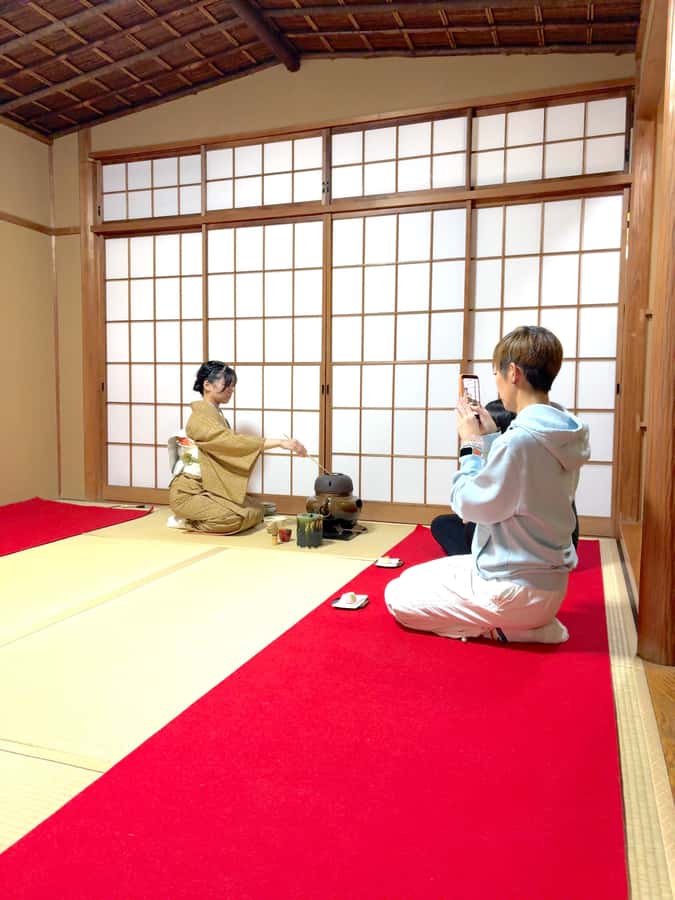
- English-led tea ceremony with Japanese instructors wearing kimono
- Otemae demonstration plus clear guidance on tea tools and serving manners
- Hands-on matcha making using traditional utensils
- Fresh matcha tasting right after you prepare it
- Seasonal Japanese sweets paired with your bowl
- Peaceful tatami-room setting that helps you slow down in Shibuya
A Shibuya tea ceremony that slows your day down
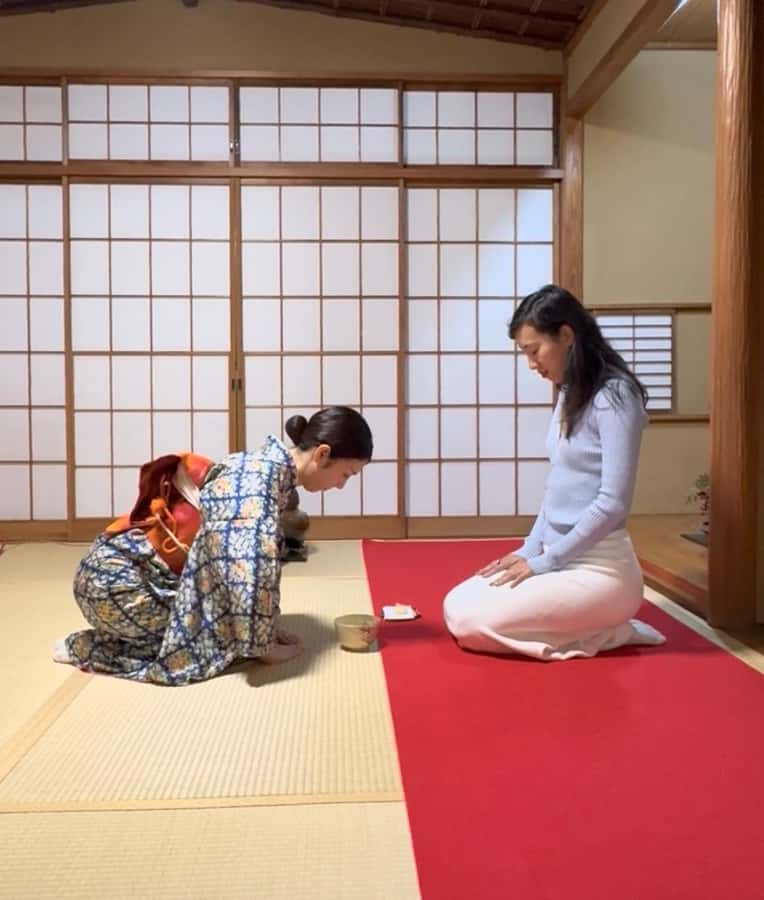
Shibuya is famous for lights, lines, and momentum. That’s why doing a tea ceremony here feels like a small act of control: you trade the scramble outside for a quieter indoor rhythm, on tatami. Tokyo-Chaan’s setup is built for visitors who want cultural context, not just a quick photo stop.
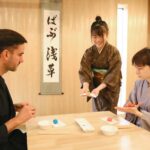
The best part is who runs it. You’ll be guided by experienced Japanese instructors who wear traditional kimono and speak English fluently. Each instructor has over 10 years of experience with the art of tea, which matters because a tea ceremony isn’t only about the drink—it’s also about focus, timing, and respectful behavior around the tools.
You’ll also get the history behind what you’re doing. The session begins with a warm welcome in a traditional Japanese room, then the instructor explains the meaning and history of the tea ceremony. For you, that’s the difference between learning “how” and understanding “why,” and it helps your matcha taste feel connected to a tradition rather than just a beverage.
You can also read our reviews of more tours and experiences in Tokyo.

Welcome and the intro: why etiquette comes before matcha
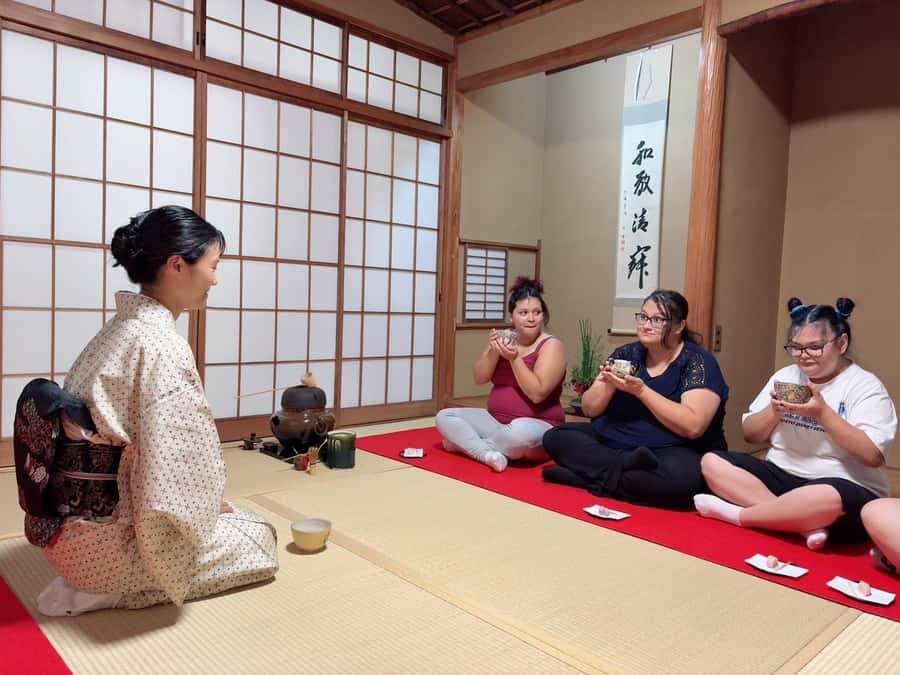
Before you touch any tools, you’ll get grounded. The class starts with a welcome and an introduction in the room, where the instructor explains the meaning and history of the tea ceremony. This is a helpful pace-setter: it frames what you’re about to do and why the ceremony includes manners and structure.
Then comes the demonstration portion—starting with the basics of how to treat the tea service with care. The instructor will explain the basic manners and etiquette of tea serving as part of the flow. Even if you’re not aiming to become a tea expert, these small rules make the experience feel authentic, and they prevent you from accidentally turning it into a freestyle social chat.
I especially appreciate that the class is designed for international visitors. You’re not expected to already know tea vocabulary or etiquette. The English guidance is clear, which means you can relax and focus on the moment rather than translating everything in your head.
If you’re the kind of person who likes to understand how traditions work, this intro is where you’ll feel that payoff.
The otemae demonstration: watch the flow, not just the tools
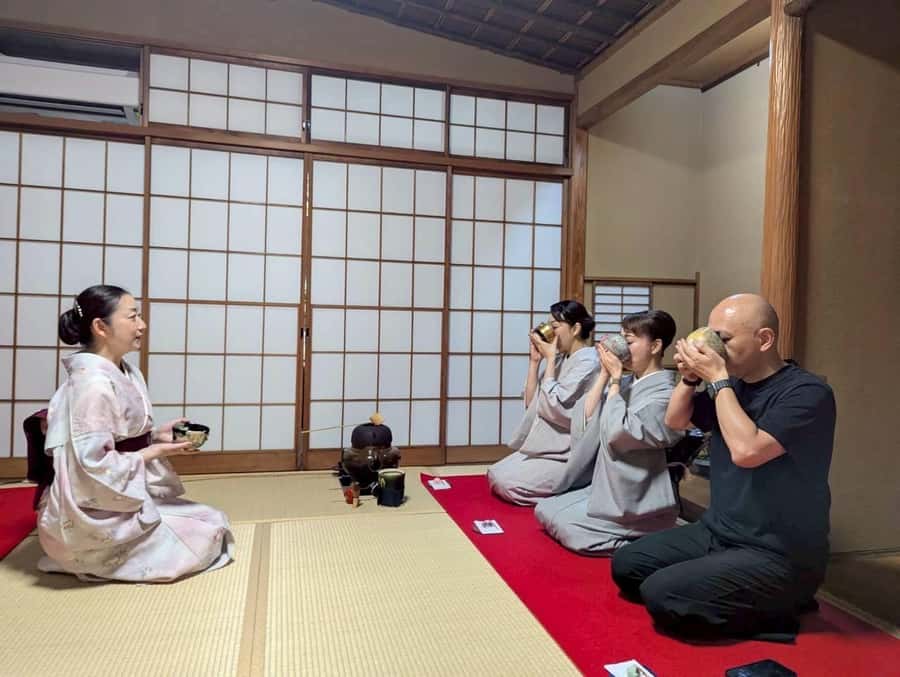
Next you’ll watch a live otemae demonstration. This is the ceremonial choreography of tea preparation—how the tools are handled, how the process unfolds, and how attention is built into every step. The instructor uses the tea tools in front of you and explains what you’re seeing along the way.
You’ll also learn what the tools are for, and why the ceremony treats them with care. Since the instructor covers how to use the tools during the demo, it prevents the common problem of being handed a “matcha task” without context. Instead, the demo functions like a roadmap.
A useful way to approach watching: don’t try to memorize every motion. Watch for the order of the steps and the instructor’s rhythm. When it’s your turn, you’ll have an internal reference for what “normal” looks like—so you don’t feel lost halfway through making tea.
And if you’ve heard people talk about tea ceremony as performance, this is where you’ll understand the truth: the goal isn’t showmanship. The goal is presence. Even in a class setting, you can feel that the demonstration is meant to teach restraint and respect.
Hands-on matcha making with traditional utensils
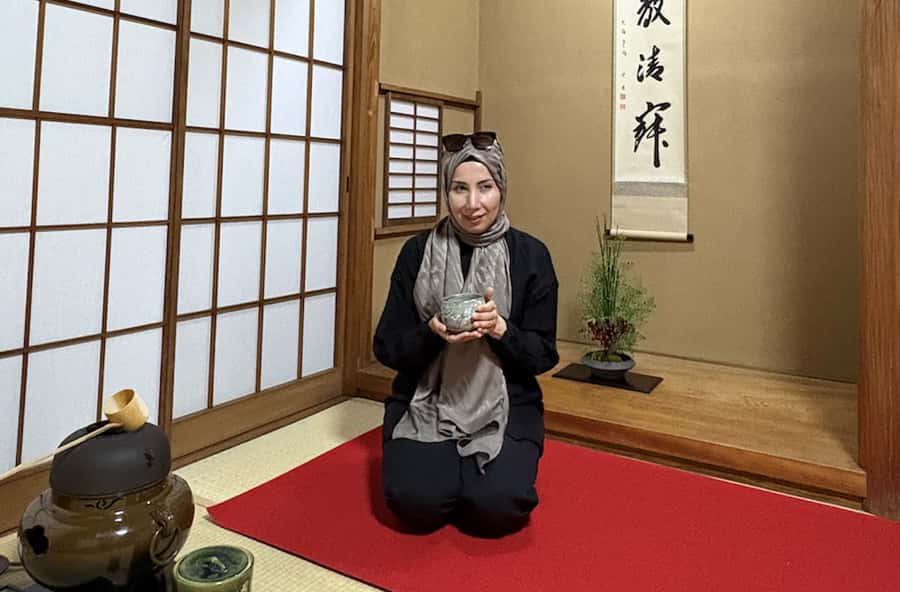
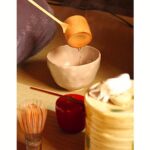
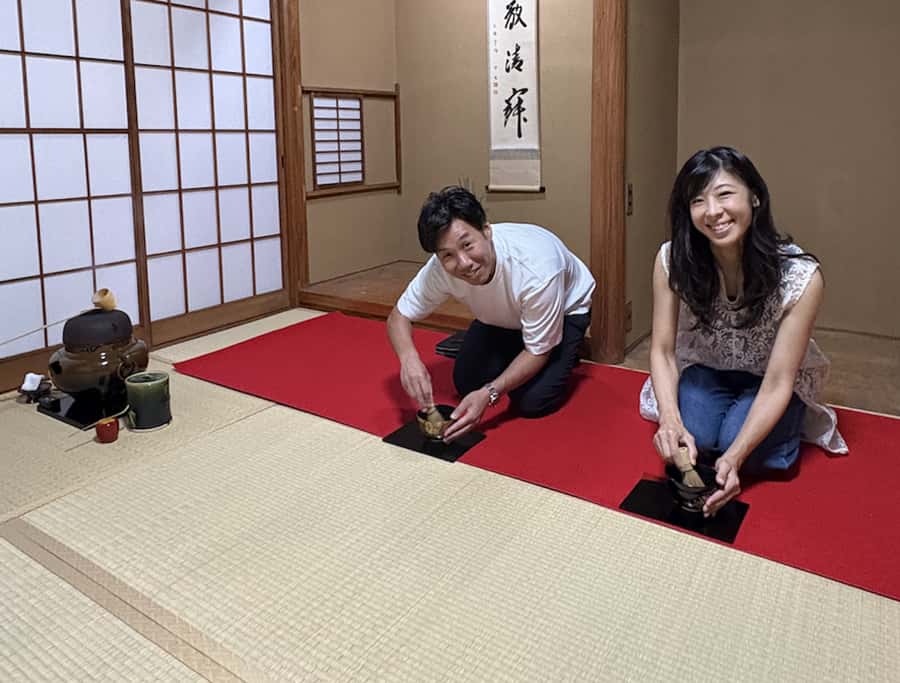
Now the fun part: your turn to make matcha. Using traditional utensils, you’ll prepare your own bowl with freshly ground matcha powder. This is where the experience becomes personal, because you can’t really learn matcha by watching alone—you need to feel how the tools and powder behave.
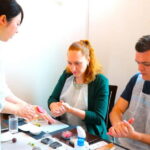
The instructors guide you throughout, so you’re not left to figure everything out solo. You’ll learn the practical basics of making the tea, then taste what you made. That makes the learning instantly useful, even if you never plan to repeat a full ceremony at home.
Here’s what I think you should watch for while you work:
- Focus on process first, perfection second. Your bowl doesn’t have to look like a museum piece for it to taste right.
- Follow the instructor’s lead on handling tools. Since the class covers tool use, do what they do rather than guessing.
- Keep the moment calm. The whole setting is built for that. If you rush, you’ll miss the point.
Also, you’ll likely recognize the names that show up in strong feedback. In particular, Sakura sensei and Kini have been noted for hosting and walking participants through both tea history and the hands-on tea-making part. That combination—explanation plus practice—is exactly how you get value from this kind of class.
Tasting matcha with seasonal sweets
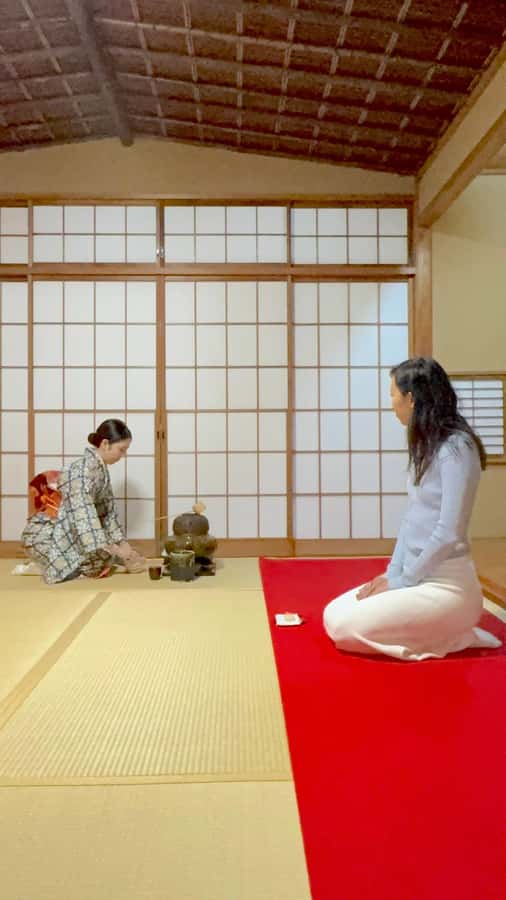
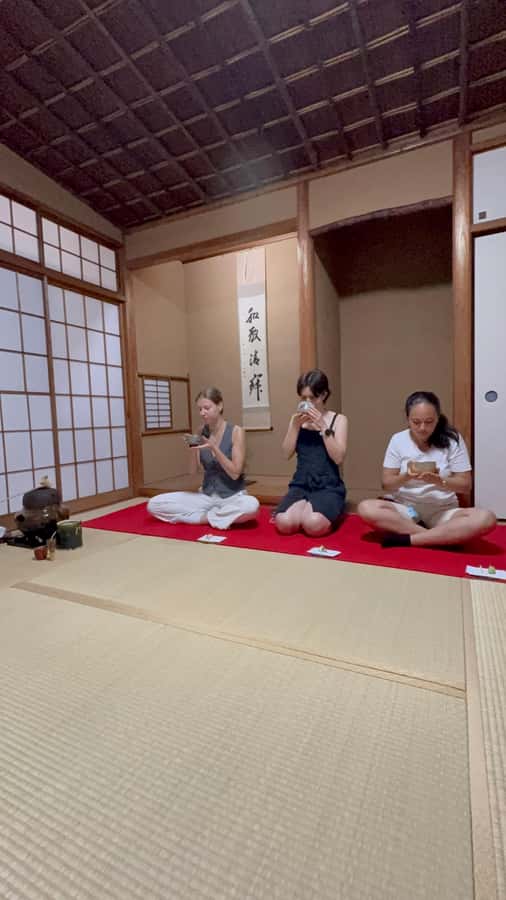
After you prepare your matcha, you’ll drink it in a calm, authentic setting. You won’t just sip matcha on its own, either. You’ll also enjoy traditional seasonal Japanese sweets designed to pair with the drink.
This pairing matters. Matcha has a distinct character—earthy, vegetal, and sometimes a little bitter. The sweets help balance it and turn the tasting into more than a single-note experience. It’s also a chance to slow down and notice what changes with each bite and sip.
If you’re new to matcha, this is an excellent route. Instead of forcing you to “like it immediately,” the class gives you a guided way to appreciate it. And if you already like matcha, this format helps you understand what makes the ceremony-style serving different from grabbing a matcha latte.
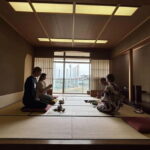
The room itself supports the tasting. Being in a peaceful tatami environment makes the flavors feel more intentional. In other words, your palate benefits because your mind is set to notice.

Price and value: is $18 fair for this format?
At $18 per person, this tea ceremony is priced like a cultural experience workshop rather than a luxury performance. And that matters, because the included elements are what you’d otherwise spend money and time assembling on your own.
What’s included:
- the entrance fee
- matcha (powdered green tea)
- confections (the seasonal sweets)
You’re also getting instructor-led guidance in English, plus the demonstration and hands-on participation using authentic tea tools, in a traditional tatami room. While I can’t compare to every possible tea activity in Tokyo without outside numbers, the structure here is clear: you pay for teaching, tools, matcha, and sweets—not just a seat in a chair.
If you’re the type who likes “do it yourself” experiences over passive ones, this format is likely to feel like good value. You’re actively preparing matcha, not only watching someone else make it.
Where it starts in Shibuya: Manji Building on Dogenzaka
The class meets at 2nd Floor, Manji Building, 1-15-9 Dogenzaka, Shibuya-ku, Tokyo 150-0043, Japan. In Japanese, the address is: 〒150-0043 東京都渋谷区道玄坂1-15-9 万字ビル 2F.
Because Shibuya has lots of streets that look similar when you’re walking fast, I recommend building in a little buffer time to find the correct building and floor. Once you’re inside, you’ll be stepping away from the busy street atmosphere into a traditional room—so getting to the meeting point calmly helps your whole experience start on the right note.
Who should book this tea ceremony, and who might skip it
This is a strong choice for:
- you if you want a clear intro to Japanese tea culture
- you if you enjoy hands-on learning (making matcha yourself)
- you if you prefer guided experiences in English
- you if you like quiet, traditional settings even while staying in a lively area like Shibuya
It may not be the best fit if:
- you’re traveling with a child under 4 (the experience is not suitable for them)
- you’re hoping for something purely casual or “drop in and taste” without instruction (this is structured, with demo and etiquette-focused guidance)
Also, if you’re visiting and want a cultural experience that doesn’t require deep planning, this works well. It’s not built around complicated logistics; it’s built around the ceremony itself.
Should you book Shibuya Tea Ceremony Tokyo-Chaan?
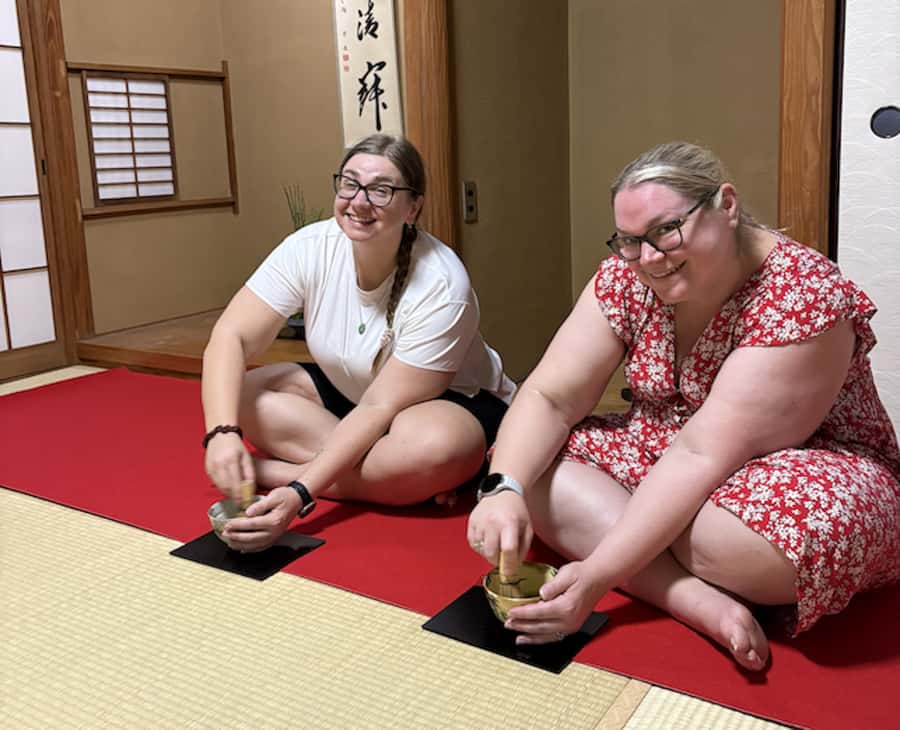
Book it if you want a guided, respectful introduction to matcha and tea etiquette—with the best part being that you’ll make your own bowl and taste it right after. At $18, the included matcha and confections, plus the English-led coaching and hands-on portion, make it easy to justify as a meaningful Shibuya activity.
Skip it if your top priority is something else entirely and you’re only chasing a quick snack. This experience is about the ritual: the welcome and history, the otemae demonstration, the manners and tool use, then the tasting.
My practical check before you commit:
- Can you handle a structured, instructional experience in English?
- Are you okay with an age rule for children under 4?
- Do you want to actually make matcha, not only observe?
If yes, you’ll likely walk away with more than a drink—you’ll have a small piece of Japanese culture you can explain.
FAQ
FAQ
How much does Shibuya Tea Ceremony Tokyo-Chaan cost?
It costs $18 per person.
What’s included in the price?
The entrance fee, matcha (powdered green tea), and confections are included.
What will I do during the experience?
You’ll receive a welcome and introduction, watch a live otemae demonstration, make matcha yourself using traditional utensils, and then taste your matcha with seasonal Japanese sweets.
Where is the meeting point?
The meeting point is Start: 2nd Floor, Manji Building, 1-15-9 Dogenzaka, Shibuya-ku, Tokyo 150-0043, Japan (〒150-0043 東京都渋谷区道玄坂1-15-9 万字ビル 2F).
Is the experience offered in English?
Yes. The experience is guided in English.
Is it suitable for young children?
No, children under 4 can not participate. Also, all children aged 4 and above require their own ticket.