REVIEW · UJI
Kyoto tea town for matcha lovers
Book on Viator →Operated by フルダイニング料理教室 · Bookable on Viator
Matcha heaven starts in Uji. This 5–5.5 hour walking tour turns a tea town into a hands-on day: shrines, old shops, tea farms, lunch, and an actual tea ceremony, all built around Uji matcha.
I love the mix of stops. You get to see the place where tea culture is practiced, not just photographed, and you also get the chance to make your own matcha using traditional tools.
One heads-up: Uji involves walking, and in hot weather it can feel like a sweat test. The tour calls for moderate fitness, so come ready for uphill streets and sun.
In This Review
- Key highlights to expect
- Uji is the real matcha town, not just a stop
- Price and what you actually get for $157.65
- Meeting at Uji Station and how the timing really feels
- Stop 1: Uji Shrine for a calm start
- Tsuen Main Branch: matcha snacks with serious age behind them
- Tea lanes to tea fields: where the day becomes hands-on
- Lunch at a tea house: tea dishes that keep you in the story
- Tea ceremony in a traditional tea house: doing rather than watching
- Walking pace and comfort: plan for heat and stairs
- Who this matcha town tour is best for
- Things to consider before you book
- Should you book Kyoto Tea Town for Matcha Lovers?
- FAQ
- How long is the Kyoto tea town for matcha lovers walking tour?
- What time does the tour start?
- Where do I meet for the tour?
- Is the tour near public transportation?
- What is included for food and tea?
- Do you get to experience an actual tea ceremony?
- Are there shrine visits during the tour?
- How big are the groups?
- What fitness level do I need?
- Is free cancellation available?
Key highlights to expect
- Small group size (max 7): easier questions, better pacing, and more time at each tea stop.
- Old-school tea shop stop: you visit a shop in Uji connected to centuries of tea retail tradition, plus you taste matcha sweets.
- Hands-on matcha-making: you grind and prepare your own matcha rather than just sampling from a counter.
- Tea ceremony experience: you get to practice tea ceremony etiquette in a traditional tea house setting.
- Tea dishes for lunch: a proper midday break at a tea-focused venue, not a rushed convenience meal.
- Tea town + shrine time: you also visit a historic shrine, so the day feels more grounded than a food-only loop.
Uji is the real matcha town, not just a stop
Uji is short on flash and long on tea. It sits close to Kyoto, yet it feels like its own world: quiet stone paths, shopfronts devoted to green tea, and a calm rhythm built around agriculture. If you’ve only ever had matcha from a café cup, Uji gives you the full story of where that flavor comes from.
This tour leans hard into what makes Uji special: tea history you can see, tea culture you can try, and a few landmarks that connect tea to place. You’re not bouncing between distant attractions. You’re spending your morning and afternoon in one compact tea district.
You can also read our reviews of more tours and experiences in Uji.

Price and what you actually get for $157.65
At $157.65 per person for roughly 5 to 5.5 hours, the price is not cheap. But it also isn’t just a walking lecture. This is built around food and tea experiences that cost money on their own in Japan: matcha tastings, a tea-house lunch, and a hands-on tea ceremony portion.
One practical way to judge value: think in parts. If you were to book a tea ceremony + pay for a tea-themed lunch + buy multiple matcha snacks, the cost can add up fast. Here, your money goes toward a day that strings those pieces together with a guide who helps you understand what you’re seeing and tasting—so you get more than just food.
Also, you’re capped at 7 travelers. In a small group, you’re more likely to get real interaction (questions, adjustments, extra explanation) instead of being passed along to the next room.
Meeting at Uji Station and how the timing really feels
The tour meets at Uji Station (611-0021 Kyoto, Uji, Uji-Ujitsurumi 1716). It starts at 9:30 am and ends back at the meeting point, which is convenient when you want to keep your afternoon flexible.
A 5–5.5 hour schedule is long enough to feel like a full day, but short enough that you won’t lose your whole Kyoto trip to transport. The pace is designed for moderate walking, and the tour is not advertised as a marathon. Still, plan on uneven sidewalks, street crossings, and stairs in a historic town layout.
Tip: bring water and something for sun protection. One review mentioned June heat, and that matches what you can expect when Uji’s streets are open and uncovered.
Stop 1: Uji Shrine for a calm start
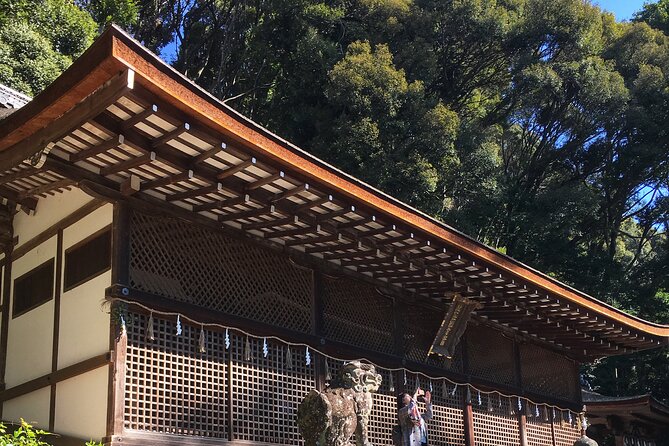
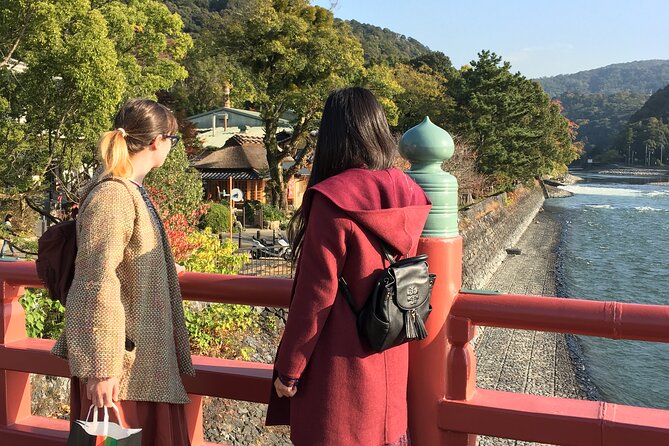
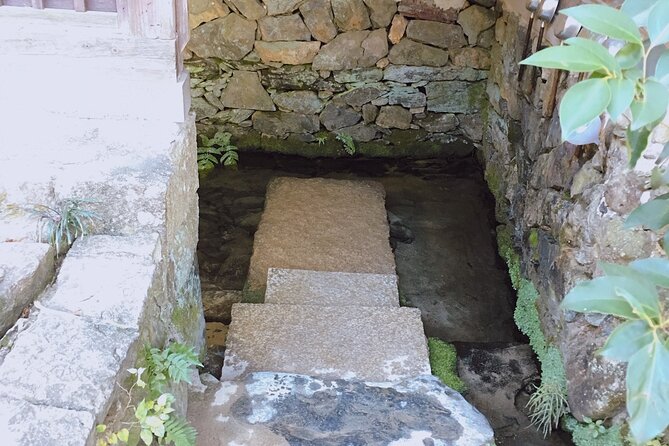
You begin at Uji Shrine, with about 20 minutes there and free admission. This first stop matters because it sets the tone. Tea culture in Japan isn’t only a modern café trend—it’s tied to older belief systems, local tradition, and a sense of place.
If you’re new to Japanese shrines, you’ll usually get a guide who explains what to look for and what the space represents. You don’t need to be a shrine expert to enjoy it. The value here is perspective: the tea day feels more meaningful when you understand the historic setting around you.
Practical note: treat this as a short, respectful visit rather than a long sit-down. You’ll move on while the morning is still fresh.
Tsuen Main Branch: matcha snacks with serious age behind them
Next up is Tsuen Main Branch, a tea shop described as one of Uji’s oldest, with a history connected to over 850 years. You’ll spend about 10 minutes here, and that short stop is packed for a reason: you’re there to taste, ask, and connect the flavor to the place.
The signature tasting is matcha rice cake skewers, made with pure matcha powder. This is exactly the kind of stop that makes a matcha tour worth it. Instead of only drinking matcha, you get matcha in a savory-sweet snack format—so your palate learns the range.
Two small things I’d suggest for you at this type of shop:
- Eat slowly so you can notice the difference between sweetness, tea bitterness, and any toasted notes.
- If the shop offers more than one matcha item, consider trying at least one additional bite if your budget allows, just to compare textures and intensity.

Tea lanes to tea fields: where the day becomes hands-on
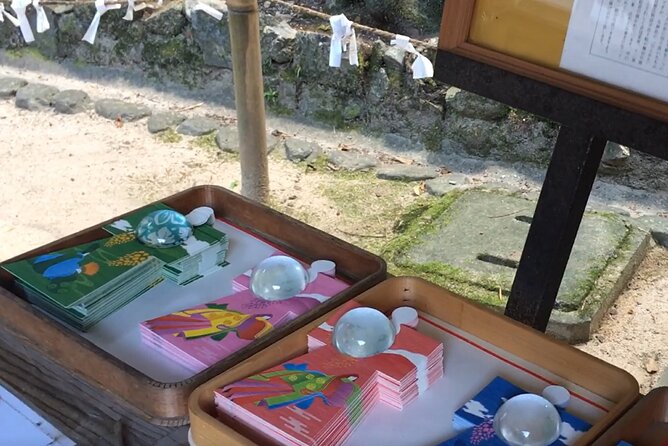
After the early landmarks, the tour shifts from tasting to learning the craft behind matcha. The experience includes tea-focused areas around Uji, including tea farms and visits that help you understand how tea is grown and then transformed into the matcha you’ll taste.
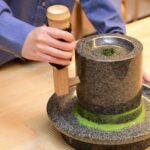
The most memorable part for many people is the hands-on portion: you’ll have time to participate in matcha-making, including preparing matcha using traditional tools. One key detail that stands out is the stone-mill grinding process—this changes matcha from a flavor you buy into something you actually help create.
Why this matters: matcha isn’t just green powder. The texture you get after grinding, the foam you create when whisking, and the way the tea looks and smells before you sip all teach you things no menu card can. It also makes later tastings easier to understand because you already know what the tea feels like at the start.
Expect your guide to set you up with simple directions. The goal isn’t perfection; it’s understanding.
Lunch at a tea house: tea dishes that keep you in the story

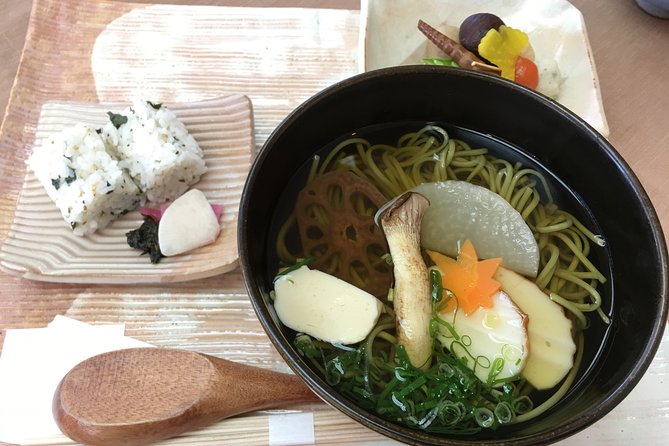
Midday, you stop at a famous tea house for lunch and enjoy tea dishes. In a tour like this, lunch isn’t filler. It’s part of how Uji restaurants express tea culture—by seasoning, pairing, and shaping flavors around green tea.
Since the exact menu items aren’t specified here, keep expectations flexible. What you can expect is that the meal will fit the day’s theme: matcha-forward or tea-inspired dishes served in a tea-house style environment.
If you’re the type who likes photographing food, this is a good time to do it. Tea houses in Uji often have a calmer mood than street-level storefronts, and it’s easier to enjoy the meal without constant movement.
Tea ceremony in a traditional tea house: doing rather than watching
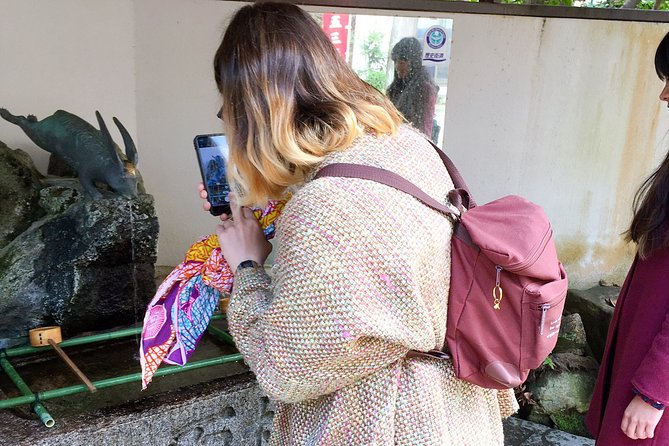
After lunch, you experience an authentic Japanese tea ceremony at a traditional tea house. This is the centerpiece for most matcha lovers, because the ceremony is where everything you tasted starts to make sense: the bowl, the whisking, the way tea is presented, and the pace of attention.
You’ll get guidance on what you’re doing and why it’s done that way. The best part of this isn’t only learning steps; it’s slowing down enough to taste the tea properly. In many ceremonies, the tea is served with care and timing, which can help you notice bitterness, sweetness, and aroma more clearly.
Practical advice: wear clothes you can move in comfortably. Even when ceremonies don’t require stretching, you may sit in a formal way for a period of time. If you’re sensitive to heat, bring a light layer you can adjust.
Walking pace and comfort: plan for heat and stairs
This tour is labeled for moderate physical fitness, and that’s honest. Uji’s streets and paths are not designed like a theme park. You’ll do real walking through a historic district, with street-level transitions and some uneven sections.
If you’re going in summer, plan for heat. One account specifically called out June being hot for the walking. The ceremony and lunch will be calmer, but the morning and early afternoon are on foot.
Bring:
- Water (and actually drink it)
- Sun protection
- Comfortable shoes with grip
- A small towel or hand wipes if you’re prone to sweat
Who this matcha town tour is best for
This experience fits you best if you:
- Love matcha and want more than a single cup
- Learn by doing, not only by listening
- Want a culturally grounded day that includes a shrine and a tea ceremony
- Prefer a small group with time for questions
It’s also a solid family option in practice, since the tour length is manageable and the stops are varied—food, tea craft, ceremony, and a historic shrine. If you’re traveling with kids or teens, this can work well because there are hands-on parts and plenty of visual interest.
Things to consider before you book
The biggest consideration is that this isn’t a “sit on a bus and taste.” It’s a walking tour with a hands-on schedule. If you hate walking, or if you need long rests every few minutes, you may find the pace demanding.
Second, matcha lovers sometimes assume they’ll get matcha in every form nonstop. You will get plenty of tea focus, but the day still includes cultural stops like the shrine and structured moments like the ceremony. If you’re craving pure snack mode from start to finish, choose accordingly.
And finally, the price is high compared with generic food walks. It’s high because the tour includes lunch and a structured tea ceremony component, plus a guided approach that helps you understand what you’re tasting and making.
Should you book Kyoto Tea Town for Matcha Lovers?
Book it if you want a tea day that feels real: tasting matcha snacks, learning how matcha is made, eating tea dishes for lunch, and taking part in an authentic tea ceremony in Uji. The small group size helps you actually participate instead of just passing through.
Skip it or reconsider if walking in heat would ruin your trip, or if you’d rather do tea at your own pace with no ceremony structure. In that case, you might prefer an easier self-guided day and schedule a ceremony separately.
If you’re a matcha person, though, this is the kind of tour that turns your curiosity into a full sensory experience—taste, smell, whisking, and ceremony—all in one compact tea town.
FAQ
How long is the Kyoto tea town for matcha lovers walking tour?
It runs about 5 hours to 5 hours 30 minutes.
What time does the tour start?
The start time is 9:30 am.
Where do I meet for the tour?
Meet at Uji Station, Japan (611-0021 Kyoto, Uji, Uji-Uji-Yamotsuji 1716).
Is the tour near public transportation?
Yes, it’s described as near public transportation.
What is included for food and tea?
You’ll taste matcha at tea shops and you’ll stop for lunch at a tea house where you enjoy tea dishes.
Do you get to experience an actual tea ceremony?
Yes. After lunch, the tour includes an authentic Japanese tea ceremony at a traditional tea house.
Are there shrine visits during the tour?
Yes. You visit Uji Shrine, and admission there is free.
How big are the groups?
The tour has a maximum group size of 7 travelers.
What fitness level do I need?
The tour requires a moderate physical fitness level.
Is free cancellation available?
Yes. You can cancel up to 24 hours in advance of the experience for a full refund.