REVIEW · SHANGHAI
Shanghai: Chinese Tea Ceremony Experience
Book on GetYourGuide →Operated by Shanghai Glopen Travel Agency · Bookable on GetYourGuide
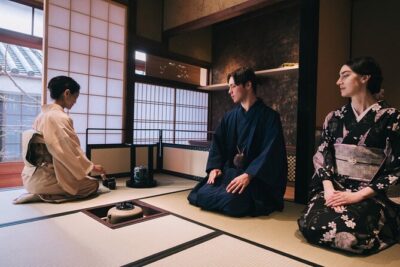
A quiet table, a fragrant cup, and a lot to notice. This Shanghai Chinese tea ceremony is built around blind tasting and hands-on technique, so you learn how tea actually changes in your hands and in your nose. I like that it’s taught by a tea expert and structured as a small-group class, not a lecture.
Song Dynasty whisking is the star, but the real payoff is that you compare tea by aroma and texture, sip by sip. The main thing to consider is fit: it’s not suitable for wheelchair users, and people with food allergies may have issues.
What I especially like is the small group size (limited to 8), which keeps questions practical and makes the lesson feel personal. And because it includes an assortment of Chinese teas plus snacks, you’re not just watching—you’re sampling and learning in the same session. The one drawback to keep in mind: transport isn’t included, so you’ll want to plan how you’ll get there and back.
In This Review
- Key things that make this tea ceremony worth your time
- Your first lesson: tea is a sensory skill, not just a drink
- The guided flow: what happens during the 3 hours
- Blind tasting: your “before you know” advantage
- Song Dynasty tea whisking and brewing: the part where technique shows
- Sampling China’s three tea categories: comparing with purpose
- How to get the most out of the tasting (without overthinking it)
- Price and value: is $143 per person fair?
- Who this is best for (and who should rethink it)
- Practical tips before you go
- Should you book the Shanghai Chinese tea ceremony?
- FAQ
- How long is the Shanghai Chinese Tea Ceremony Experience?
- How big is the group?
- What languages will the instructor speak?
- What do I get as part of the experience?
- Is transportation included to and from the activity?
- Where is the meeting point?
- What is the price per person?
- Can I cancel for a full refund?
- Do I have to pay immediately to reserve a spot?
- What should I bring, and what’s not allowed?
Key things that make this tea ceremony worth your time
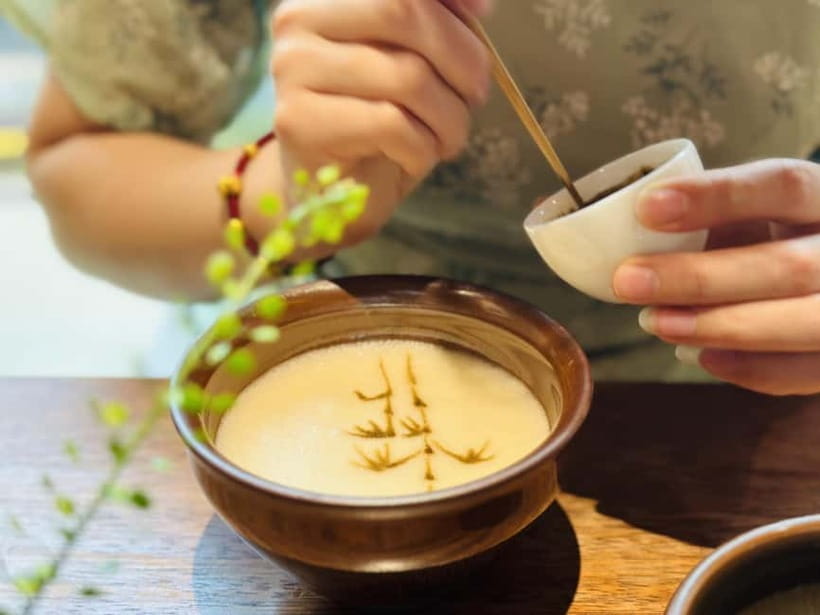
- Blind tasting that trains your nose to detect aroma and texture without seeing what you’re drinking
- Song Dynasty whisking and brewing practice in a small group, so you can feel the technique
- Three tea categories sampled side by side, which helps you spot differences faster
- Tea expert guide in English and Chinese, useful for both beginners and curious repeat tasters
- Snacks included, making it easier to relax and slow down for the full 3 hours
Your first lesson: tea is a sensory skill, not just a drink
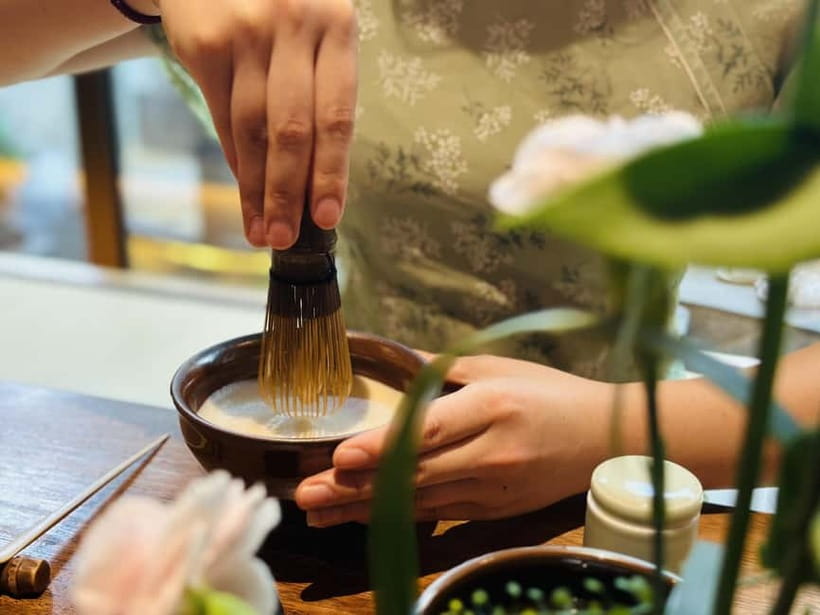
The fastest way to learn Chinese tea culture is to treat it like a tasting class. This experience is designed that way from the start. You don’t just sip and move on. You observe—aroma first, then flavor, then texture—until the cup makes sense.
A lot of tea experiences feel like they’re built for trivia. This one is built for perception. The blind tasting part is important because it forces you to rely on smell and mouthfeel rather than expectations. That’s how you start noticing things like how a tea’s aroma blooms, how bitterness behaves, and how the finish lingers.
And yes, you get a proper cultural framework too: you’ll learn the philosophy and rituals behind the tea service as you go. For me, that’s what turns tea from a pleasant habit into something you can actually appreciate on purpose.
You can also read our reviews of more tours and experiences in Shanghai.
The guided flow: what happens during the 3 hours
The program runs about 3 hours with a small group of up to 8 participants. You’ll be with a tea expert guide who teaches in English and Chinese, which keeps instructions clear and gives you a chance to ask questions in real time.
While the exact pacing can vary by session, the structure stays consistent: a welcome and orientation, a hands-on segment focused on Song Dynasty tea whisking and brewing, and then a tasting section that compares teas across key categories. Snacks are included to keep the mood easy and the tasting comfortable.
A practical note: the experience is very focused on aroma. That means your comfort matters. The organizers specifically suggest you avoid strong perfumes so you don’t fight the tea scents.
Blind tasting: your “before you know” advantage
The highlight here is the blind tasting of various teas. That setup changes how you learn. Instead of scanning a label, you start building a mental map from the senses.
When you taste without the name, you’re more likely to notice:
- Aroma layers (early smell vs. later “lift”)
- Texture (light, smooth, drying, or slightly thicker)
- Flavor shape (sweet-first vs. bitter-first vs. earthy notes)
This is also where you’ll get the most value if you’re new to Chinese tea. Beginners often think tea is either good or bad. Blind tasting helps you learn the range within “good.” You’ll start saying things like this tea feels crisp, this one feels round, this one dries your mouth more. That’s real skill.
It’s also a nice confidence builder for experienced tea drinkers. Even if you think you know what you’re drinking, the blind format can still challenge your assumptions.
Song Dynasty tea whisking and brewing: the part where technique shows
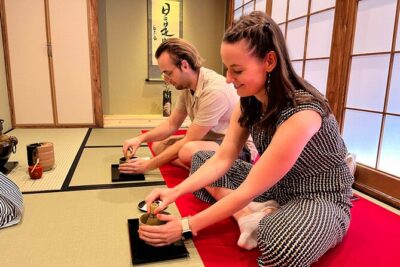
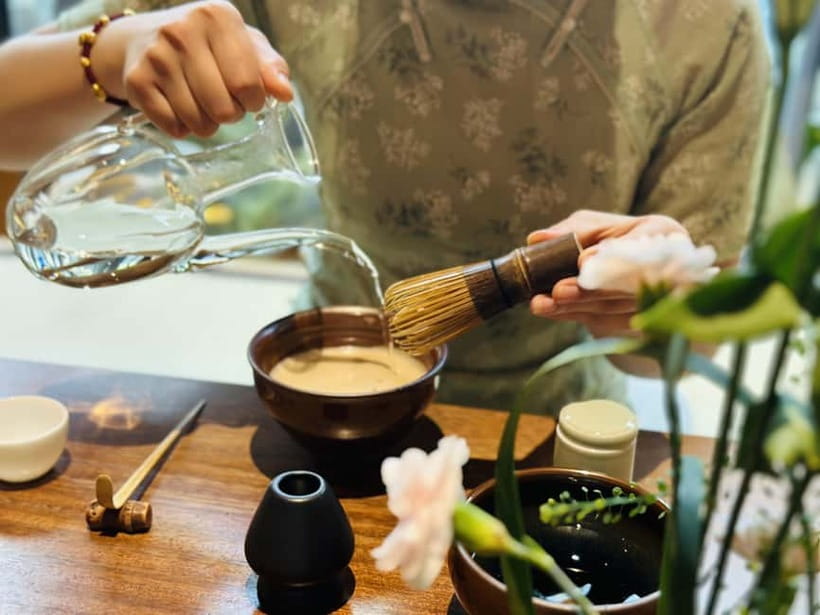
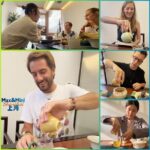
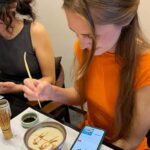
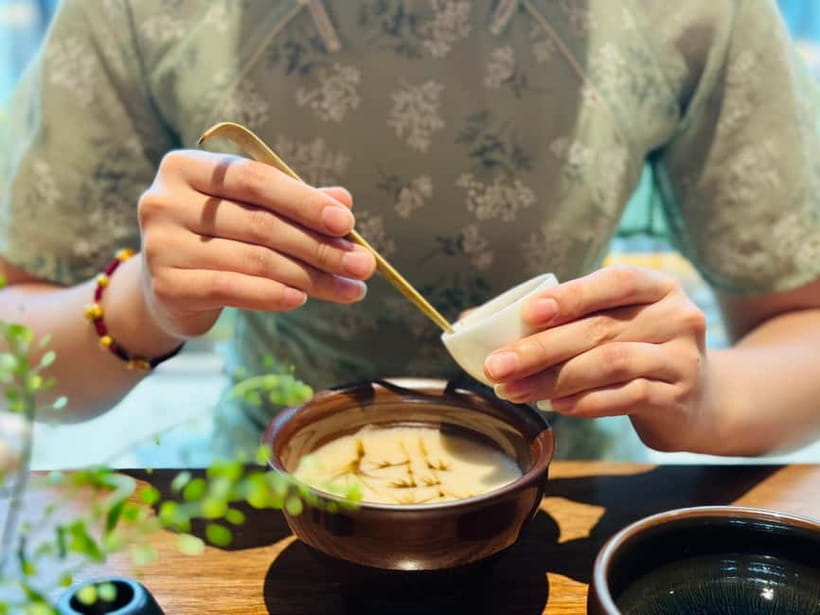
The hands-on segment focuses on Song Dynasty tea whisking and brewing. This isn’t just a show-and-tell. You learn the method in a small group, so you can try the motions and pay attention to how the tea looks and behaves.
Whisking matters because it changes the texture and the sensory feel of the cup. Even if you don’t leave with “expert” technique, you’ll walk away understanding why the method exists and why it’s performed carefully.
Here’s what I think makes this segment so valuable for most people:
- You learn by doing, not just listening
- You see cause-and-effect (method leads to a different cup)
- You slow down enough to taste with intention
During this part, expect focused guidance. It’s a good moment to ask questions like how to judge when the brewing/whisking is on track, or what sensory cues the tea master looks for.
Sampling China’s three tea categories: comparing with purpose
After the whisking practice, you’ll move into tasting China’s three major tea categories. The key word here is compare. Instead of one tea, you sample several, and you get help connecting what you taste to the category it belongs to.
That comparison is where most visitors get their “aha” moment. A single cup can feel pretty, but categories teach you structure. You start to understand why one tea tends to feel lighter in the mouth while another might feel more drying or heavier in the finish.
Even if you’re not trying to become a tea buyer, this comparison changes how you order tea going forward. You’ll recognize patterns faster and you’ll waste less time with teas that don’t match your preferences.
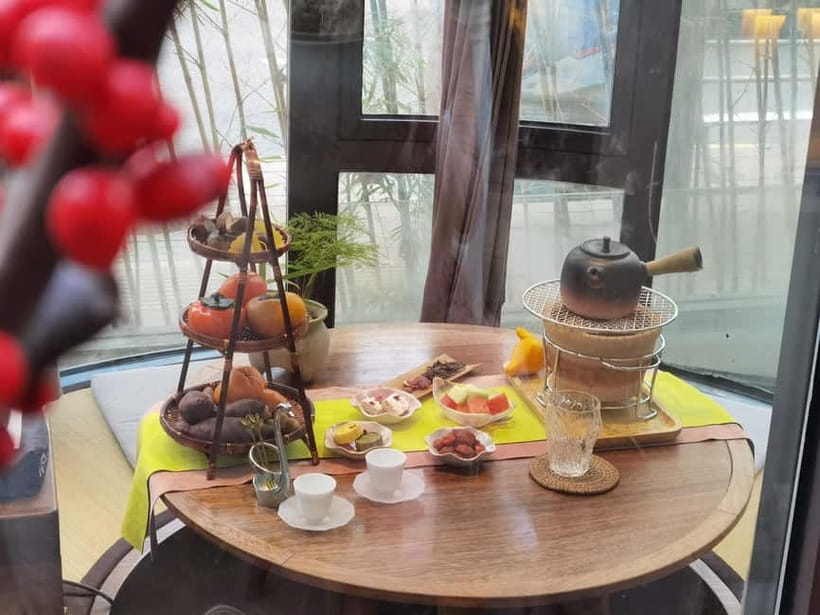
You also get snacks included. That’s not a throw-in. Having something light nearby helps you stay comfortable through the full program, especially since tasting encourages slow sipping rather than quick gulps.
How to get the most out of the tasting (without overthinking it)
If you want this to feel worth the money, approach it like a skill session. You don’t need to memorize tea facts. You do need a few habits.
I recommend you pick one focus for each sip. For example:
- One sip: only aroma
- Next sip: only first taste
- Next sip: finish and aftertaste
Because the tasting includes blind rounds, you’ll likely adjust your expectations. That’s normal. Let your notes be simple. Even in your phone, write down a couple words like floral, roasted, nutty, clean, drying. You’ll be surprised how well that sticks later.
Also, be mindful of the environment. Since the organizers warn against strong perfume, you should avoid it. If you wear fragrance daily, consider skipping it for the day of the ceremony.
Price and value: is $143 per person fair?
At $143 per person for about 3 hours, you’re paying for a few things at once: expert instruction, a guided experience with an assortment of Chinese teas, and snacks for the duration. On paper, that’s not the cheapest activity in Shanghai. But it’s also not a generic “tour stop.”
The value comes from concentration. A small group limited to 8 participants means you’re not sharing attention with dozens of people. And the hands-on whisking practice plus blind tasting format gives you more than passive sightseeing.
If you normally buy tea and wonder what you’re actually tasting, this is one of the more direct ways to learn in a short time. If you’re not interested in tea at all, it will likely feel like a long sitting. But for anyone who enjoys food experiences, aromas, and learning by doing, it’s a solid match.
Who this is best for (and who should rethink it)
This tea ceremony is a strong fit if you:
- Like small-group classes with a real guide
- Want a cultural experience that’s sensory, not just visual
- Enjoy comparing flavors and aromas
- Are curious about Chinese tea traditions and the Song Dynasty whisking style
It may not be the right choice if:
- You need wheelchair accessibility (it isn’t suitable for wheelchair users)
- You have food allergies, since it’s listed as not suitable for people with food allergies
Also, plan for walking/standing comfortably. The session suggests wearing comfortable shoes and clothes suitable for the experience.
Practical tips before you go
A little preparation makes the tasting better.
- Wear comfortable shoes and clothes you can move in.
- Bring a camera if you want to capture the tea moments.
- The organizer suggests bringing snacks, too. Even though snacks are included, having your own backup can help if you prefer specific foods.
- Avoid strong perfumes so the tea aromas come through clearly.
One fun possibility: some sessions include an optional dress-up element for photos, which has come up in guest feedback. It’s not guaranteed in the core description, but it’s worth being open to if it’s offered when you arrive.
Should you book the Shanghai Chinese tea ceremony?
I’d book it if you want something that feels different from another walking tour. The best reason is the structure: blind tasting plus Song Dynasty whisking practice plus guided comparison of three major tea categories. That combo gives you real learning, not just a nice drink.
I would hesitate if you’re very mobility-limited or if you have food allergies. In those cases, the experience likely won’t be comfortable or appropriate.
If you’re on the fence, use this simple checklist: you should enjoy slow sensory work, you should be comfortable around tea flavors, and you should like small-group instruction. If those boxes tick, this is a high-value use of a half-day in Shanghai.
FAQ
How long is the Shanghai Chinese Tea Ceremony Experience?
The duration is 3 hours.
How big is the group?
It’s a small group limited to 8 participants.
What languages will the instructor speak?
The instructor speaks English and Chinese.
What do I get as part of the experience?
You’ll have a tea expert guide, an assortment of Chinese teas for tasting, and snacks.
Is transportation included to and from the activity?
No. Transportation to and from the activity is not included.
Where is the meeting point?
The exact meeting point is provided after booking and will be near the marked location.
What is the price per person?
The price is $143 per person.
Can I cancel for a full refund?
Yes, you can cancel up to 24 hours in advance for a full refund.
Do I have to pay immediately to reserve a spot?
You can reserve now and pay later, meaning you can book without paying today.
What should I bring, and what’s not allowed?
Bring comfortable shoes, a camera, snacks, and comfortable clothes. Smoking and alcoholic drinks in the vehicle are not allowed.