REVIEW · MARRAKESH
Marrakech: Private Souks Tour with Tea and Traditional Snack
Book on GetYourGuide →Operated by Withlocals · Bookable on GetYourGuide
Start with souks, not a scrapbook. This private Marrakech walk takes you from the Mellah to the energy of Jemaa el-Fnaa, with real craftspeople working as you pass. I especially like how the guide steers you toward trusted vendors instead of dumping you in the loudest stalls, and how the stop at a women’s cooperative turns the shopping talk into something you can see and understand.
I also like that the tour doesn’t rush you through the medina like a checklist. You get a proper tea and a traditional snack break, then you keep moving deeper into the souks to see more specialized makers. The main drawback to plan for is simple: this is a walking tour in tight lanes, so it’s not a good fit if you have mobility limits or you use a wheelchair.
You’ll spend about 210 minutes with an English-speaking guide, then finish back in the same main square area where you started to re-enter Marrakech on your own terms.
In This Review
- Key highlights to look for
- Setting Off in the Mellah: old quarter first, souks second
- Spice Souk Lessons: how to read the stalls
- Jemaa el-Fnaa by Street Level: performers, musicians, and sky-high noise
- Women’s Cooperative Stop: craft with meaning you can see
- Artisan lanes beyond the main stalls: leather, metal, tiles, slippers, and more
- Tea and msemmen pause: hospitality that feels real
- How the private guide changes everything (and why names matter)
- Price and value at $56 per person
- Logistics that affect your comfort: where you meet and what to wear
- What kind of traveler should book this souks tour
- Should you book this Marrakech private souks tour?
- FAQ
- How long is the private souks tour?
- Is this tour private or shared?
- What language is the guide?
- Where is the meeting point?
- What’s included in the price?
- Is tea and a traditional snack included?
- Is pickup or drop-off included?
- Is the tour suitable for wheelchair users or people with mobility impairments?
- Can I cancel and get a full refund?
- What should I bring?
Key highlights to look for
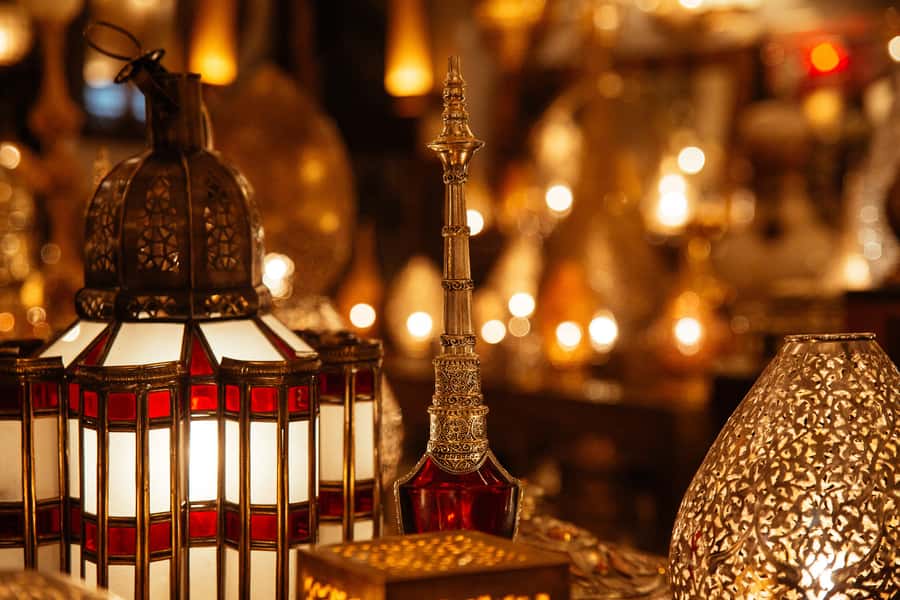
- Mellah start in the old Jewish quarter: learn why this area matters before you even enter the spice lanes
- Trusted souk guidance: private, English-speaking help that can tailor the route to what you like
- Women’s cooperative visit: hand-stitched clothing made with natural fabrics, including a focus on women with disabilities
- Jemaa el-Fnaa street performances: snake charmers, musicians, and street artists in the middle of it all
- Tea plus msemmen snack: a real pause with local hospitality instead of just walking and buying
Setting Off in the Mellah: old quarter first, souks second
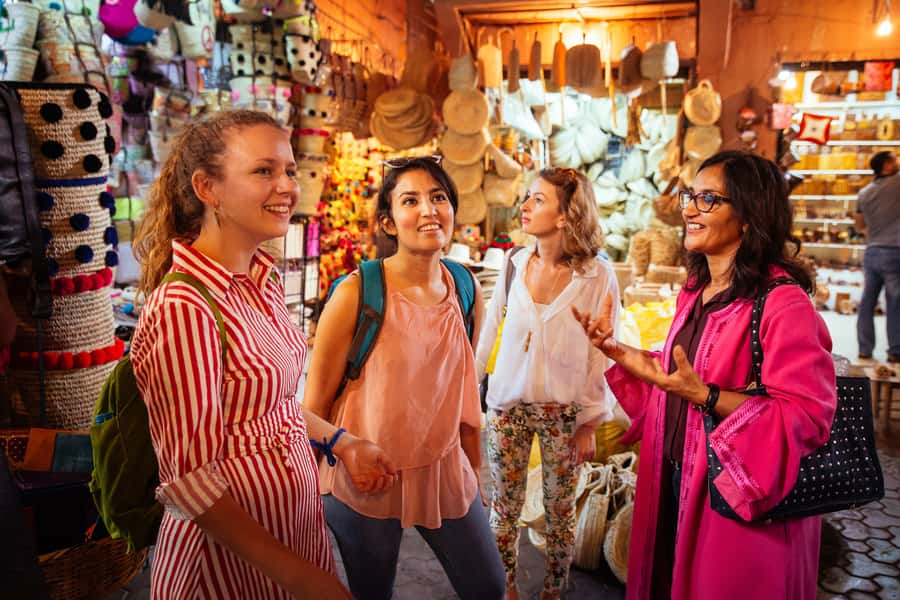
The best way to understand Marrakech’s souks is to get your bearings before the noise starts. You meet at Le Tanjia Restaurant on Mellah Square, and the tour begins in the Mellah, the old Jewish quarter. Starting here changes how you experience the market lanes. Instead of just seeing stalls, you start noticing the sense of place—how this city layered communities over time.
Once you’re settled, you move toward the spice souk. You’ll be in the thick of sensory overload—saffron color, cumin warmth, herbal smells you can’t quite name at first. A private guide helps because you’re not left guessing what’s what. It becomes more than shopping. It becomes learning how people source, blend, and sell everyday ingredients.
If you like photos, this is also a good early window. You’re still fresh, walking is manageable, and the streets here give you good context for what you’re about to see.
One practical thing: come with comfortable shoes. The lanes are uneven in places, and you’ll be walking enough that flip-flops would feel like a mistake.
You can also read our reviews of more tours and experiences in Marrakesh.



Spice Souk Lessons: how to read the stalls
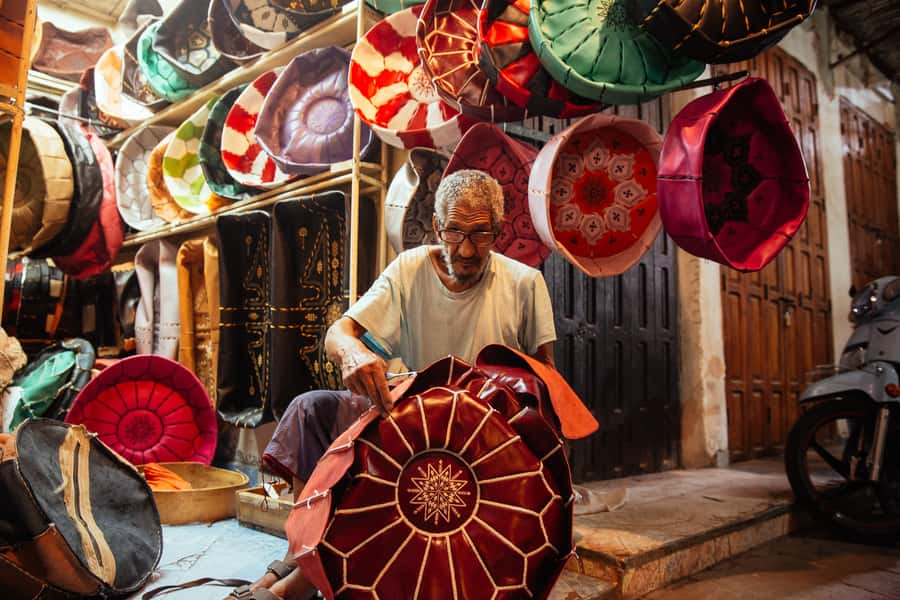
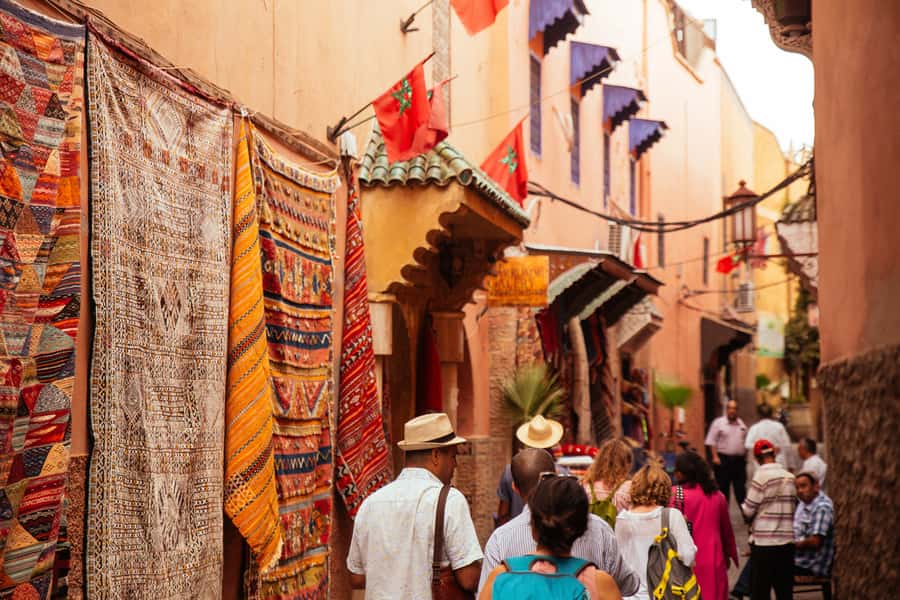
In the spice and artisan lanes, your guide is doing more than translating. They’re helping you connect craft to purpose. You’ll see stalls where people sell speciality spices, and you’ll also hear about everyday Moroccan tastes—what shows up again and again, and what’s more local or seasonal.
This is where a private tour pays off. A larger group often stays on the “main path” and only glances at side streets. Here, your route can shift based on your interest: if you care about color, the fabrics and dyes start to matter. If you care about cooking, the spice talk becomes practical.
I like that the tour is designed for interaction. You aren’t just walking by glass cases. You’re meeting people, asking questions, and getting explanations in plain language through an English live guide. And because you have a guide pacing the moment, you’re less likely to get swallowed by the hustle.
It’s still a market. Expect attention. The difference is you control how you handle it because your guide can steer you toward what feels worthwhile and away from the pushiest energy.
Jemaa el-Fnaa by Street Level: performers, musicians, and sky-high noise
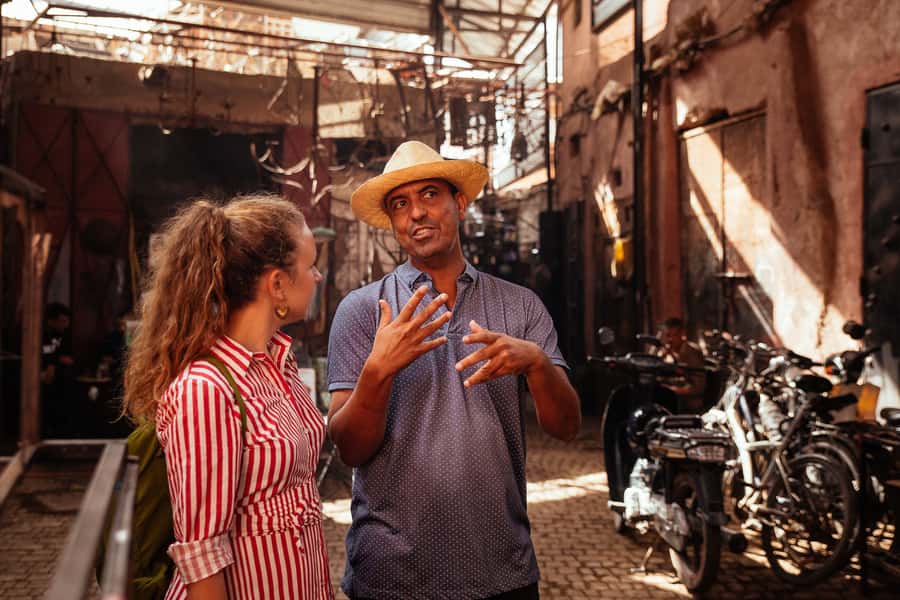
After the earlier lanes, you reach Jemaa el-Fnaa, the main square where Marrakech shows up at full volume. This is the area you see in photos, but the real experience is walking through it while the action keeps changing around you. You’ll see street artists, listen to musicians, and encounter performers like snake charmers.
What makes this stop great is timing and perspective. You get to pause in a place that can feel chaotic if you arrive alone and unprepared. With a guide, you learn where to stand to see without blocking anyone, how to move without losing your sense of direction, and how to watch without turning the square into a stunt.
Also, Jemaa el-Fnaa is useful because it anchors the rest of your day. It’s easy to reset your expectations here. If you decide you want more time with a certain craft later, your guide can adjust.
If you’re sensitive to loud sound and crowds, give yourself permission to step back and take a breath. The square is intense, and it’s okay to watch from the edges for a bit.
Women’s Cooperative Stop: craft with meaning you can see
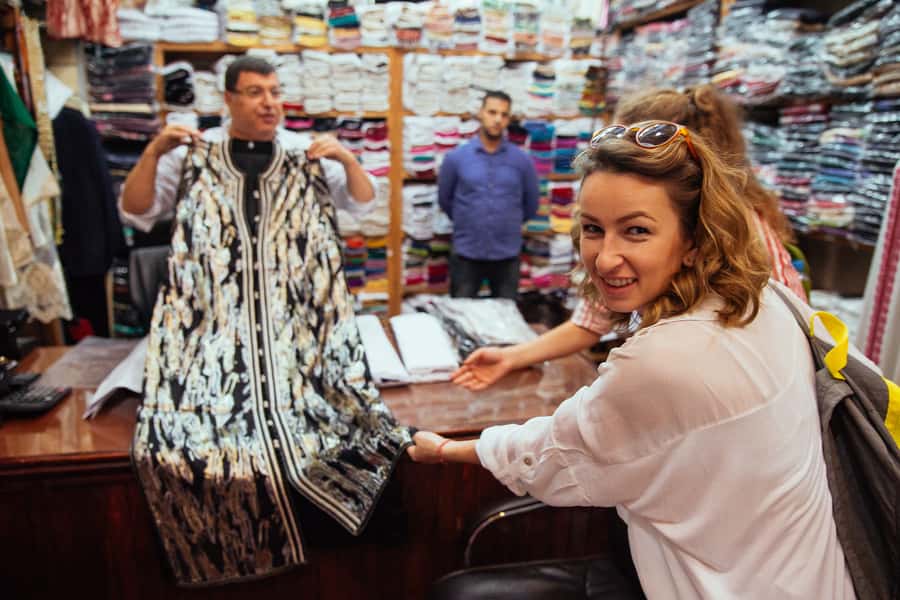
One of the strongest parts of this tour is the visit to a local women’s cooperative. It’s not a generic stop for a quick photo. The cooperative you visit supports women with disabilities, and the work you see is hand-stitched clothing made from natural fabrics.
I love this stop because it changes how you think about buying. In many souks, shopping feels like a swirl of objects. Here, you see the human side of the product. You also hear how the work is organized—what materials are used and why the pieces take time.
It’s also a rare opportunity to interact without feeling like you’re being chased for a sale. You’re learning the process. You’re seeing quality close up—stitching details, fabric choices, and how the pieces come together.
If you care about ethical shopping or you simply like understanding what you’re looking at, this is a highlight worth putting near the top of your expectations.
Artisan lanes beyond the main stalls: leather, metal, tiles, slippers, and more
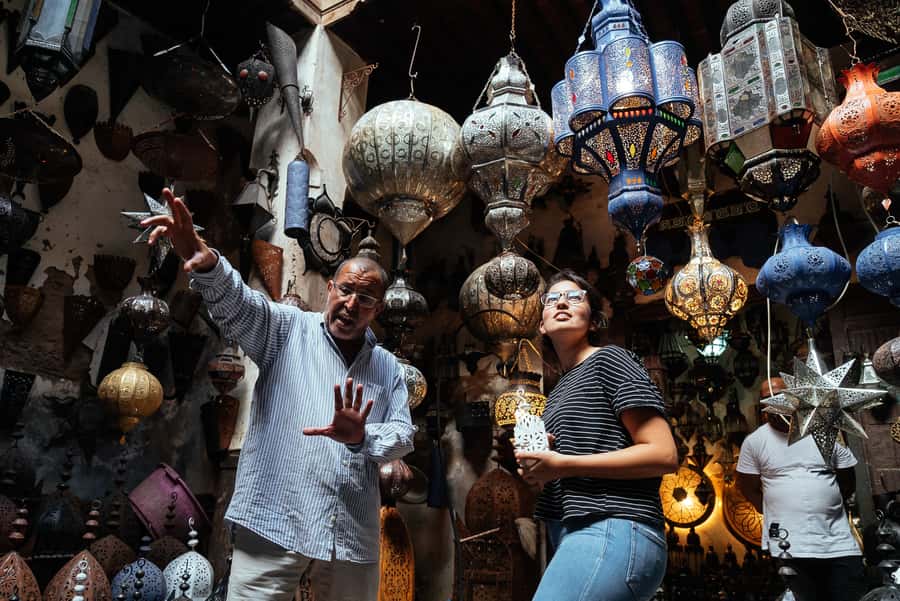
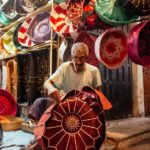
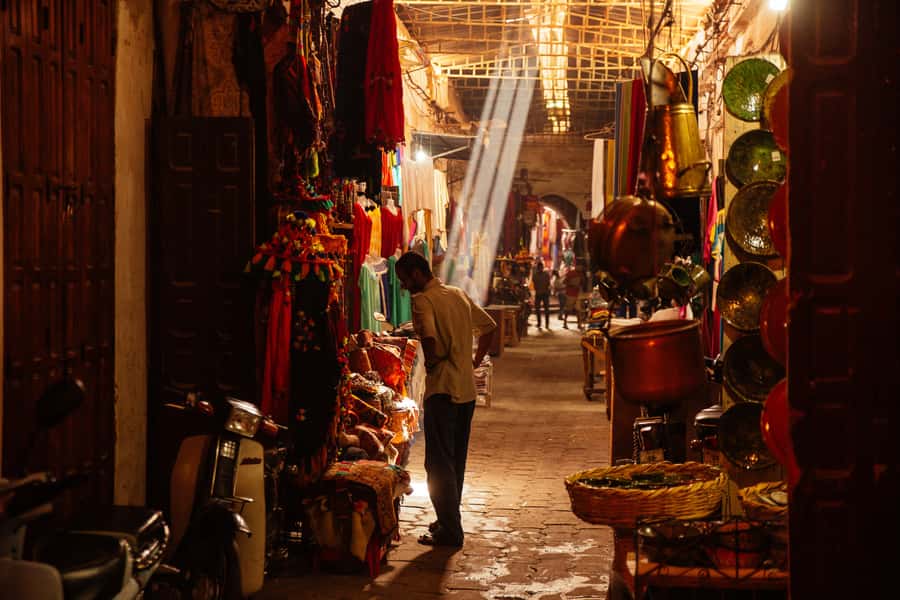
After the cooperative visit, you keep walking deeper into the souks to see more specialized makers. This is where the tour feels different from a standard highlights loop. Your guide can point out the crafts most visitors never slow down for.
You might pass or meet artisans associated with:
- Leather workers
- Metalworkers
- Tile makers
- Slipper makers
- Carpet sellers
- Hand-painted ceramics
Even if you’re not buying, watching artisans at work helps you spot quality faster. You start noticing how products are made rather than just how they look on a shelf. That’s the secret skill you take home from any good souk tour: you learn what to look at.
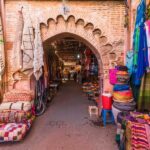
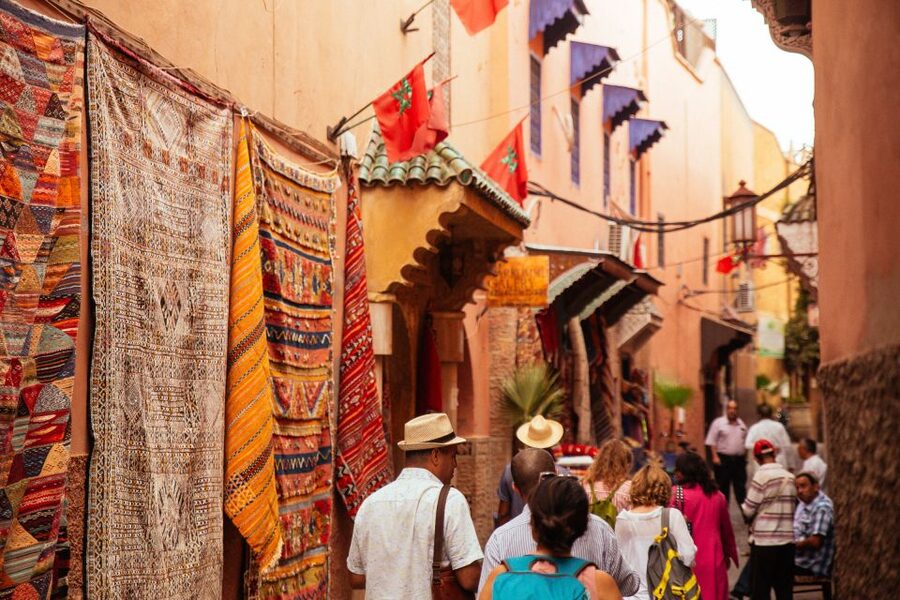
In the end, you’ll also have time to admire rows of carpets, hand-painted ceramics, and brightly colored shelves of goods. It’s the kind of visual overload that still feels rewarding once you understand the logic behind it.
If your priority is shopping, tell your guide early what you like. Guides such as Omar have been known for tailoring the route so you spend more time where your interests are—whether that’s leather, metal, ceramics, or fabrics.




Tea and msemmen pause: hospitality that feels real
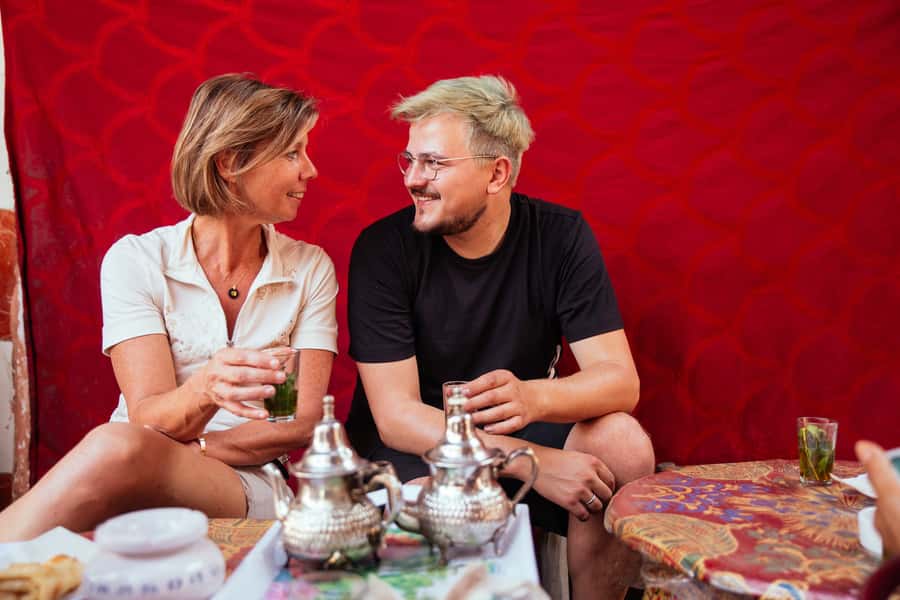
You get a break in the middle of the busy lanes with Moroccan tea and a traditional snack called msemmen (a local pancake). This is included in the tour, and it’s a good reset for two reasons.
First, you’re getting something warm and familiar to Moroccan daily rhythm, not a random stop picked just for convenience. Second, the tea moment gives you time to talk. Your guide can explain what you saw—spices, fabrics, metals—while you rest your feet for a bit.
One small detail that matters: the tour includes one non-alcoholic drink, so you aren’t expected to scramble for refreshment on your own. You can keep the day moving without constantly breaking the flow.
This tea stop also helps you shop smarter later. When you’re tired, you buy impulsively. When you’re rested, you look more carefully.
How the private guide changes everything (and why names matter)
This is a private group tour with a live English guide, and the best part of a private format is the way your route adapts to you. A good guide asks what you want to see and then guides you toward places that match your interests, including side areas you might miss on your own.
In particular, you may meet guides with strong reputations for friendliness and patience, like Omar, Adil, Abdelghani, Ghani, or Mohamed. The pattern is consistent: they don’t just point; they talk. They also tend to keep the experience comfortable, especially if you’re cautious about being overwhelmed.
I also like that some guides are known for steering you to vendors they trust. That matters in the souks because the loudest option isn’t always the best value or the most honest quality.
And if you’re traveling with specific needs—like wanting crafts rather than only the most famous stalls—tell your guide at the start. The tour is set up to respond.
Price and value at $56 per person
At $56 per person for about 210 minutes, you’re paying for three things that are hard to replicate on your own: a guide, time, and context.
You get:
- a private English-speaking guide
- a structured path through major areas like the Mellah and Jemaa el-Fnaa
- time spent around working artisans, not just finished products
- tea plus msemmen, plus one non-alcoholic drink
- a cooperative visit focused on women’s craft and natural-fabric clothing
If you’ve ever tried to “DIY” the medina with only a map app, you already know how quickly time disappears. A guide turns that time into learning and smoother navigation. And because it’s private, you’re not stuck with a slow-moving group pace.
Could you spend less by wandering without a guide? Sure. But this is the kind of market day where getting it right the first time saves you energy, helps you shop with more confidence, and gives you meaningful stops like the women’s cooperative.
Logistics that affect your comfort: where you meet and what to wear
There’s no pickup or drop-off included here, so you should plan to arrive on your own. The meeting point is in front of Le Tanjia Restaurant on Mellah Square. Arriving early is smart, because the medina streets can be tricky to read if you’re not used to them.
Also, this tour is not suitable for people with mobility impairments and wheelchair users. Even if you can walk, you should expect uneven stone and tight spacing in some lanes.
What to bring is simple:
- comfortable shoes
If you want extra help finding your way to the meeting spot, a map app can be useful in the medina because streets and turns look similar. I’d treat tech as a support tool, not a replacement for a guide once the tour starts.
What kind of traveler should book this souks tour
This tour is best for you if:
- you want a first-time structured introduction to Marrakesh’s souks
- you like artisan crafts and want to see more than the top storefronts
- you want a guide to help you browse without feeling pushed
- you appreciate visits that connect buying with people, like the women’s cooperative
It may not be your best match if you:
- need step-free access or wheelchair compatibility
- hate crowds and loud noise at Jemaa el-Fnaa
- want a tour that focuses only on shopping bargains (this one is built around learning and interaction)
Should you book this Marrakech private souks tour?
If you want a souk experience that feels organized, human, and more than just product photos, I’d book it. The best reasons are practical: you’ll get your start in the Mellah, you’ll see the real performance energy of Jemaa el-Fnaa, you’ll meet artisans in context, and you’ll add a meaningful stop at a women’s cooperative. The tea and msemmen break is the kind of detail that makes the whole day feel complete.
Just be honest with your comfort level. Bring good shoes and plan for walking. If you can handle that, this is one of the more worthwhile ways to see Marrakech souks while understanding what you’re looking at.
FAQ
How long is the private souks tour?
The tour lasts 210 minutes.
Is this tour private or shared?
It’s a private group tour.
What language is the guide?
The live guide speaks English.
Where is the meeting point?
You meet your host in front of Le Tanjia Restaurant on Mellah Square.
What’s included in the price?
The tour includes a private tour, a local guide, and 1 non-alcoholic drink.
Is tea and a traditional snack included?
Yes. You’ll enjoy Moroccan tea and msemmen with your guide.
Is pickup or drop-off included?
No, pickup/drop-off is not included.
Is the tour suitable for wheelchair users or people with mobility impairments?
No. It is not suitable for people with mobility impairments or wheelchair users.
Can I cancel and get a full refund?
Yes. There is free cancellation and you can cancel up to 24 hours in advance for a full refund.
What should I bring?
Wear comfortable shoes.