REVIEW · MARRAKESH
Marrakech: Moroccan Pastries and Tea Class with a Local
Book on GetYourGuide →Operated by Khmisa Workshops · Bookable on GetYourGuide
Marrakech smells amazing, but this class adds technique. In this 150-minute Moroccan pastry and tea workshop, you learn how the dough, spices, and shaping work together, then you eat what you make with Moroccan mint tea. I like that it is hands-on, not just watch-and-snack.
Two things I especially like: first, the class stays practical and step-by-step, which is a relief if you are not a confident baker. Second, you leave with a box of pastries, plus the tea-making skill that makes the whole experience feel useful at home.
One consideration: it is not a hotel pick-up, so you need to handle your own getting there and arriving on time. Also, if you have allergies, you’ll want to share details in advance so the chef can plan accordingly.
In This Review
- Key things I’d pencil in before you book
- A Marrakech break that beats another souk wander
- Getting there and fitting it into your day
- Inside the pastry class: dough, spices, and careful shaping
- The tea lesson: make mint tea and pour it the classic way
- Taste test and your fresh-baked finale
- Price and value: why $40 can be fair in Marrakech
- Who this class is perfect for (and who should pass)
- A quick checklist so you don’t lose time
- Should you book this Moroccan pastry and tea class?
- FAQ
- How long is the Moroccan pastries and tea class in Marrakech?
- How big is the class group?
- What languages are available for the instructor?
- What’s included in the price?
- Is hotel pickup and drop-off included?
- What should I bring and wear?
- Is it suitable for children?
Key things I’d pencil in before you book
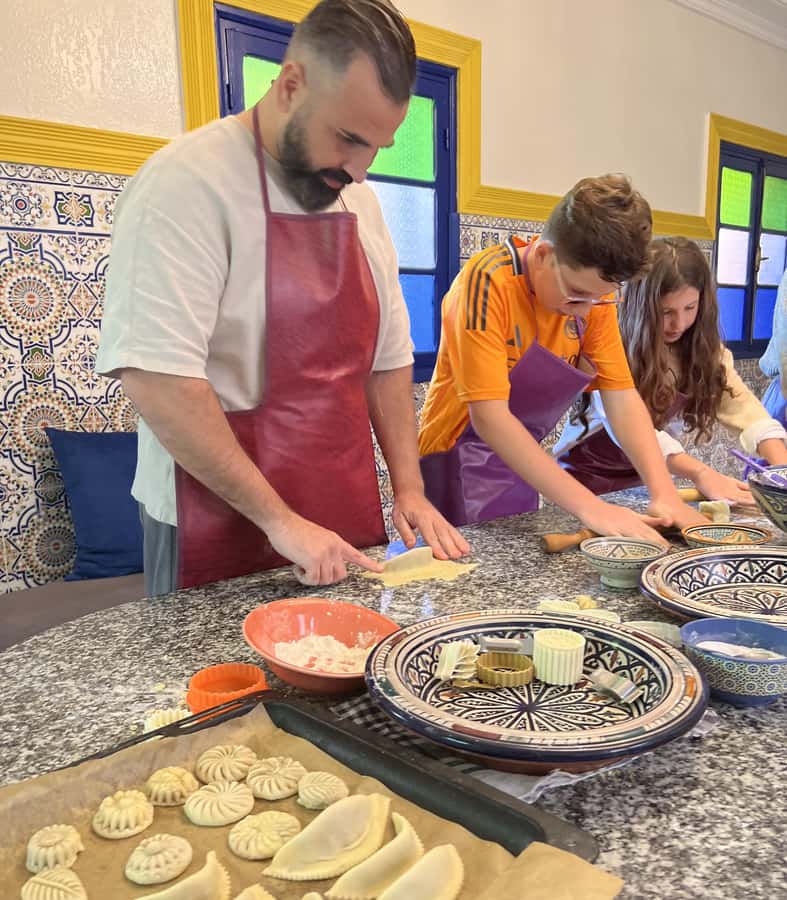
- Small group (max 10): more hands-on time and less waiting around at the counter.
- Practical pastry skills: you learn simple, precise steps that actually affect the final texture.
- Tea lesson included: you make your own mint tea and practice the classic pouring style.
- Take-home box: you get to keep your baked pastries, not just finish them on the spot.
- Beginner-friendly energy: even if you have never baked before, this is designed for you to succeed.
A Marrakech break that beats another souk wander
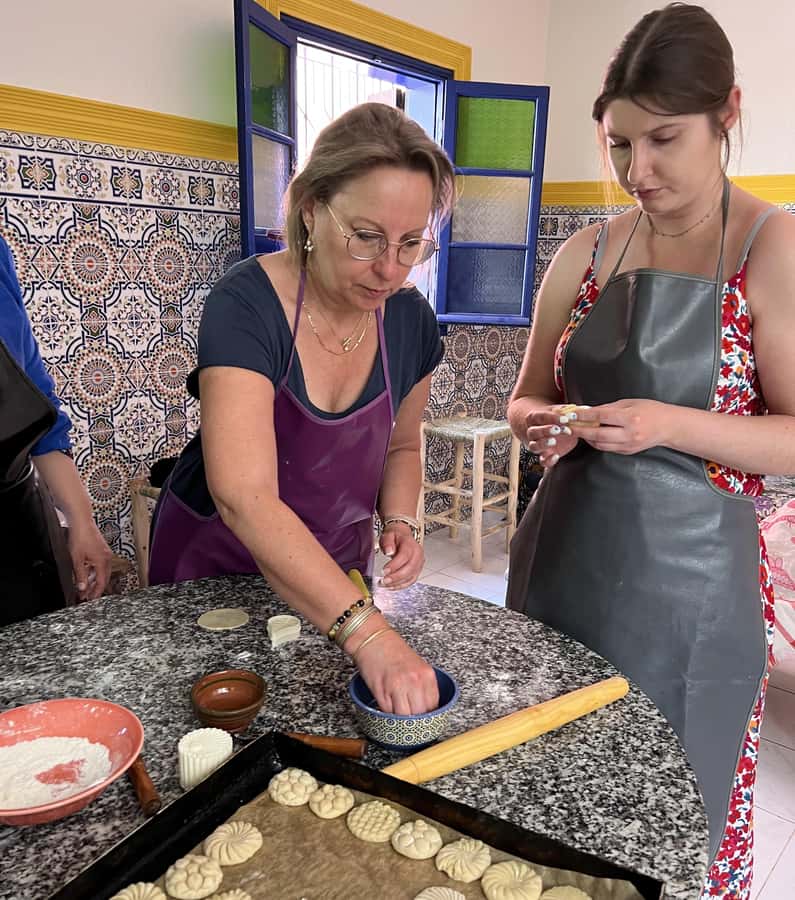
If you want one activity in Marrakech that feels different from the usual shopping and street scenes, this pastry and mint-tea class is a solid bet. The big win is that you are not just eating Moroccan sweets while standing around. You’re learning why they work.
You’ll work in a small group, and that matters in a cooking class. With a limit of 10 people, the instructor can actually guide each step, catch mistakes early, and help you adjust when your dough or shaping is off. The result is a class that feels relaxed, even when your oven timer is in charge.
And then there is the tea. Moroccan mint tea is more than a drink here. It is part of the rhythm of the experience, and it turns the class into something you can recreate later, not just a one-time bite.
You can also read our reviews of more tours and experiences in Marrakesh.



Getting there and fitting it into your day
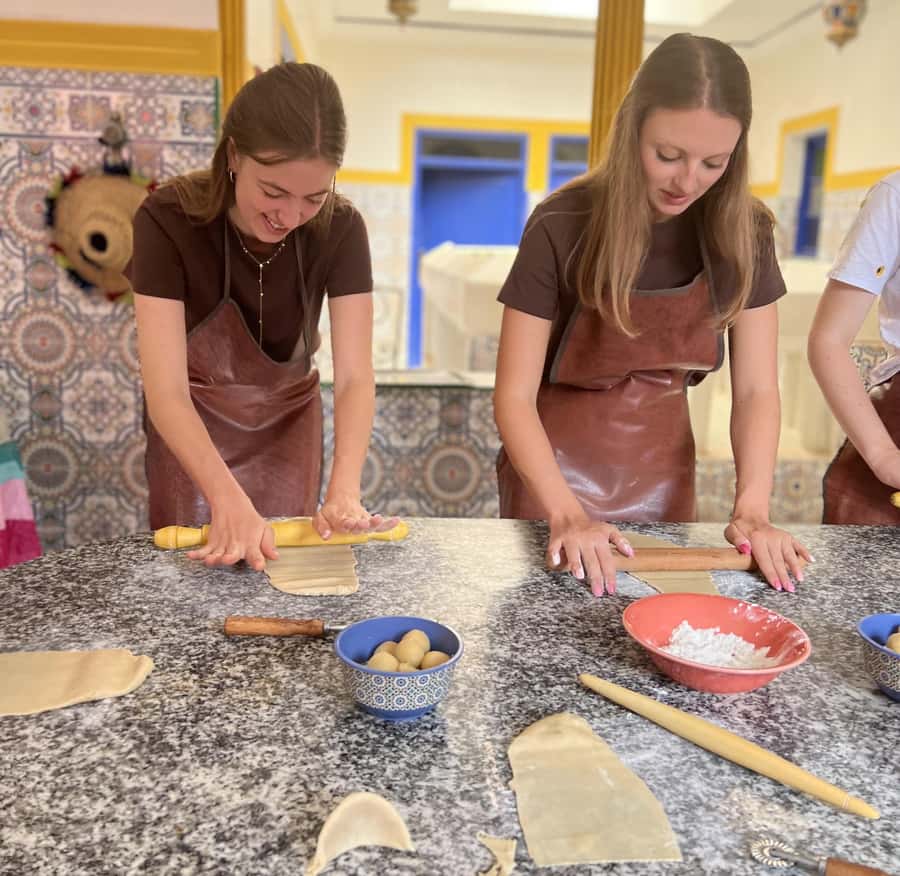
This workshop runs about 150 minutes, so it fits nicely between longer sightseeing blocks. The meeting point is not listed publicly; you get the exact location before your experience date. That is normal for this kind of setup, but it does mean you should check your message details before you leave.
You’ll be on your own for transport. Hotel pickup and drop-off are not included, so plan to take a taxi, rideshare, or walk if you are nearby. One practical tip from how people describe getting to the workshop: if you’re running late or unsure where to go, ask for help quickly. The staff have been helpful with directions when people struggled to find the door.
What to wear is simple: comfortable clothes for cooking. You’ll likely be moving around a bit and spending time working with ingredients, so skip anything too precious. Bring water too, especially if you’re already dealing with Marrakech heat earlier in the day.
Inside the pastry class: dough, spices, and careful shaping
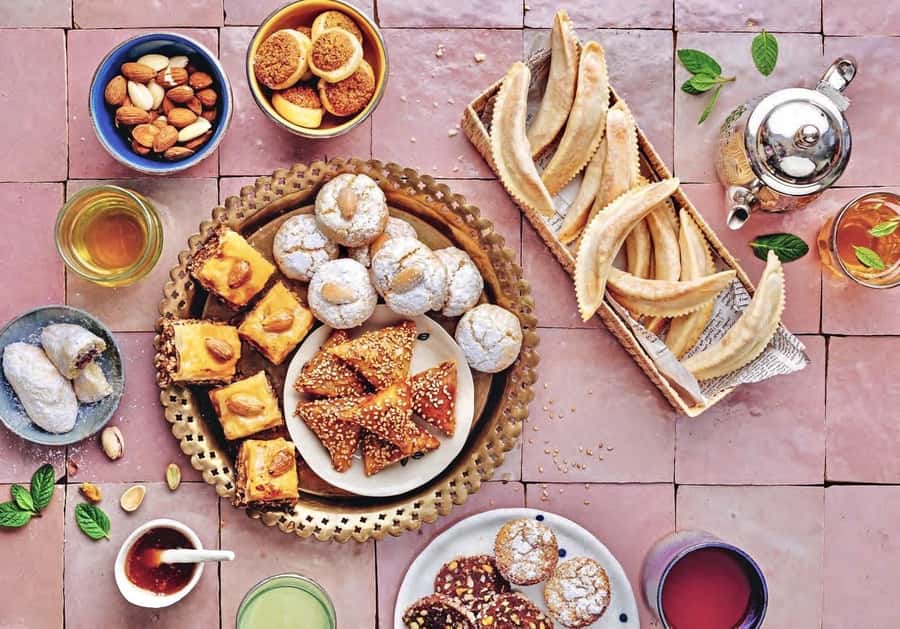
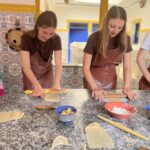
The heart of the experience is learning how to make Moroccan pastries with a local chef. The class is set up as a learn-by-doing session, so you’ll get your hands into the process instead of sitting back.
Moroccan pastries are known for flavor layers and texture that feel intentional, not random. That’s why the class focuses on “simple but precise techniques.” In practice, that means you learn how small choices—like how you portion, how you fold or shape, and how you handle spices—change the final bite.
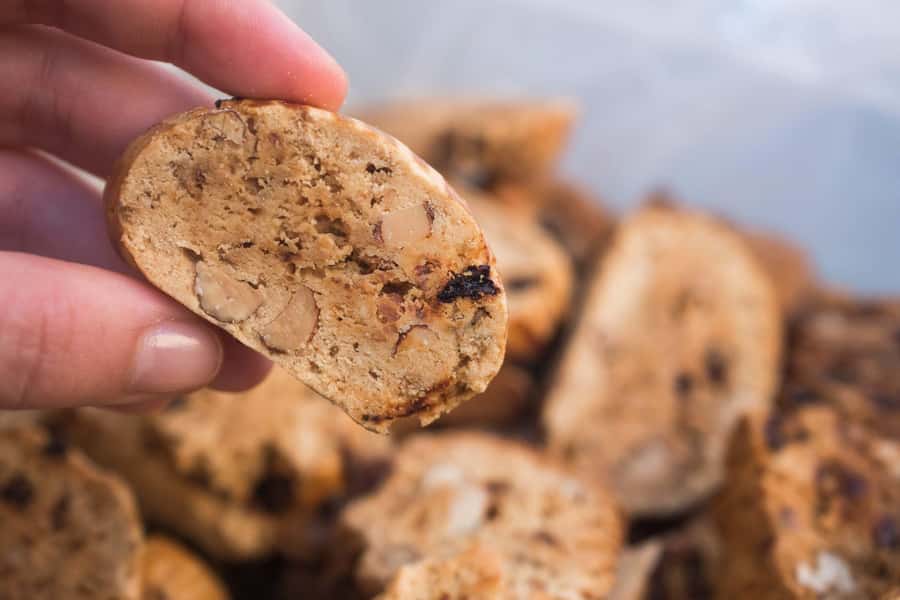
You can expect a range of traditional pastries. People mention making fekkas and Kaab el Ghazal, which are the kind of sweets that instantly signal Moroccan baking know-how. Even if you’ve never heard of them before, the class format is built for you to follow along and get a good outcome.
Spices and fragrant ingredients are part of the fun. Reviews specifically call out flavors like fennel seeds and orange blossom water. If you’re the type who loves understanding what makes a dish taste like the dish, this is a great angle. You’re not guessing what’s going on; you see and measure the components as you go.
One note on difficulty: the process can be a bit fiddly, especially for shaping. But the class is structured so you can keep moving forward even if your first attempt isn’t perfect. That satisfaction—doing it, then seeing it work—is a big reason people rate this so highly.
The tea lesson: make mint tea and pour it the classic way
At some point during the session, you switch gears to Moroccan mint tea. This is not an afterthought. You learn how to make your own Moroccan mint tea, then you taste pastries with it.
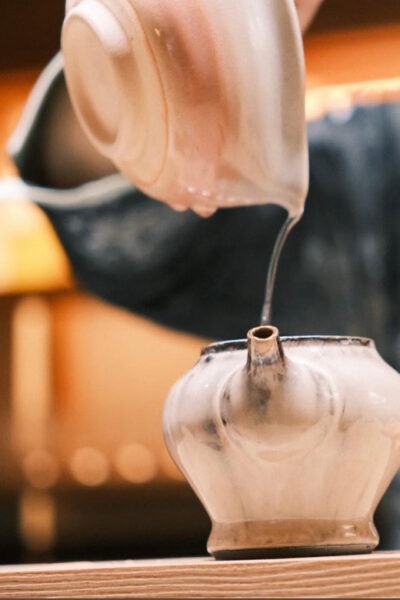
What makes the tea part especially fun is the pouring. Reviews mention everyone taking a turn pouring, and kids in at least one family group found that entertaining. It turns a cooking class into a small performance, in a friendly way.
Tea also adds context. One person noted the guide shared information about when these pastries are eaten, not just how they taste. Even if you don’t memorize every detail, it helps you understand why the sweets are paired with tea in daily life.
If you want one takeaway you can actually use later, this is it. You’ll be able to recreate a key taste from Morocco at home, instead of relying on memory.
Taste test and your fresh-baked finale
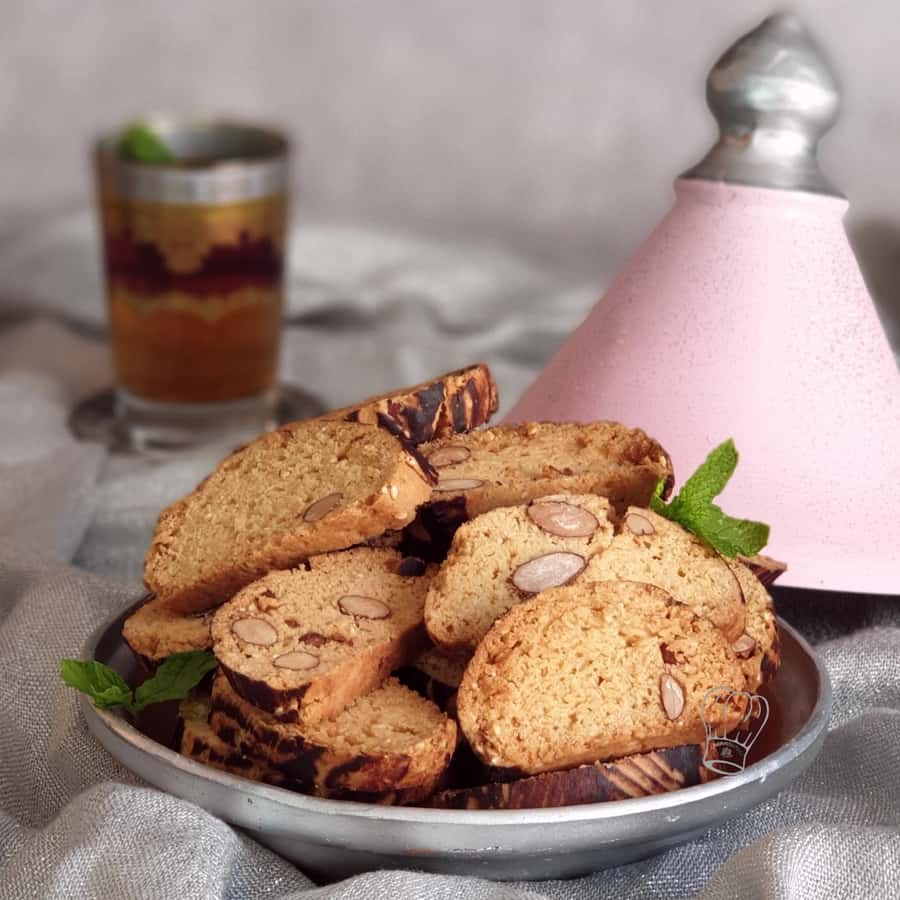
When your pastries come out, you get a tasting moment with mint tea. The class ends with the fun payoff: you eat what you baked and get the sense that the oven really did the work the chef explained.
You also get a box of pastries to take home. That is a surprisingly big value perk. It means you can extend the experience into your evening—share with your group, bring to someone who couldn’t join, or save for later without feeling like you must finish everything immediately.
There is one small practical detail to think about: if you want the recipes for home baking, you may need to ask. One review recommends asking for the recipe at the end of the class. So if that matters to you, plan to speak up before you leave.
For the take-home box, store them like you would other pastries: keep them covered to protect from air and moisture. Exact storage time is not something the class data covers, so treat it as a normal “keep them fresh” situation, not a freezer-to-months plan.




Price and value: why $40 can be fair in Marrakech
The price is $40 per person for 150 minutes. On its face, that’s not a tiny bite. But the value comes from what you get in the package.
You’re paying for:
- a guided pastry cooking class with a local chef
- all necessary cooking equipment
- tasting with Moroccan mint tea
- a box of pastries to take home
- a small group limit of 10 participants
Most cooking classes that feel worth it include hands-on instruction and a food payoff. Here you get both: you work with dough and spices, then you eat the results, and you leave with extras. For families and groups, the take-home box is especially practical because it prevents the usual issue of spending time and money and then finishing everything in the first hour.
If you are comparing just the food cost, it might feel steep. If you compare the time, instruction, and end result, it tends to make more sense—especially if you enjoy learning techniques you can repeat later.
Who this class is perfect for (and who should pass)
This works best if you want a break that is:
- hands-on
- guided
- relaxed enough to fit between sightseeing
- focused on traditional Moroccan flavors
It is a good choice for beginners. One review specifically describes it as a great fit even if you haven’t baked before. If you already bake at home, you’ll still enjoy the method and flavors because Moroccan pastries are their own category.
Families also seem to enjoy it. Reviews mention a family with teenage boys having a positive experience, and another mentions kids enjoying the tea pouring.
For kids, there are clear boundaries. It is not suitable for children under 4 years old. Participants under 18 must be accompanied by an adult, so plan on a family setup rather than dropping younger kids in.
If you have allergies, this class asks for allergy information in advance. Don’t assume everything will be safe for you at the last minute. Share details early so the chef can guide substitutions if possible.
A quick checklist so you don’t lose time
Here’s what I’d do to keep the experience smooth:
- Wear comfortable clothes that can handle kitchen work.
- Bring water.
- Share allergy info before your class.
- Know that meeting details arrive before the day, so check your messages.
- Keep an eye on timing since there is no hotel pickup.
- If you want recipes for home, ask at the end of the class.
Language is also a practical factor. The instructor can teach in Arabic, French, and English, which helps if you prefer to ask questions in a language you fully understand.
Should you book this Moroccan pastry and tea class?
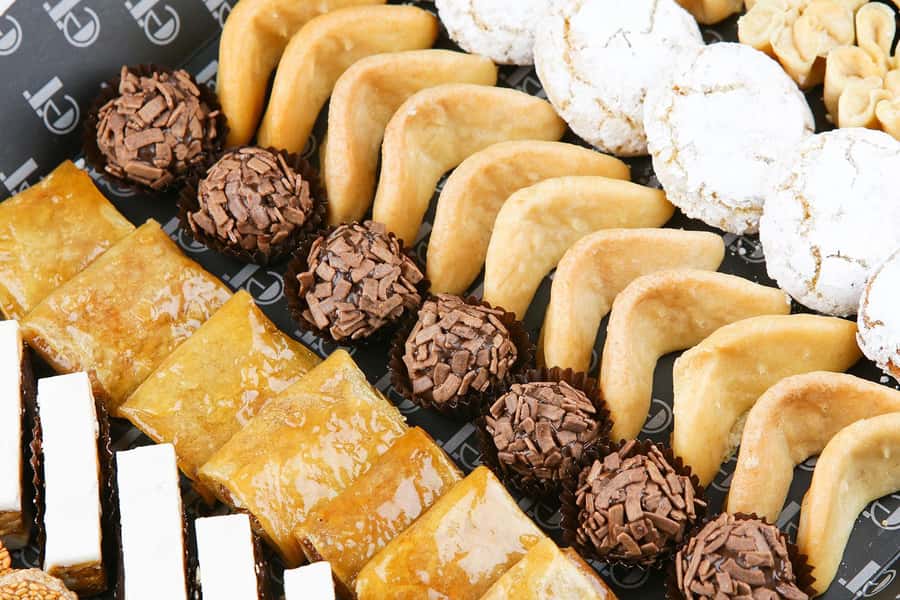
Book it if you want a Marrakech activity that is calmer than the souks, more hands-on than a tasting, and still deeply Moroccan. The small group format, the pastry-making process (including traditional items like fekkas and Kaab el Ghazal), and the tea lesson give you more than just a meal. You leave with skills and a take-home box.
Skip it if you hate anything kitchen-based, you’re short on time, or you can’t manage getting there without pickup. Also, if allergies are complicated and you haven’t arranged details in advance, this is the wrong moment to wing it.
Overall, this is one of those Marrakech experiences that makes your trip feel personal. You’re not just buying food. You’re learning how it is made—and then eating it hot, with mint tea you brewed yourself.
FAQ
How long is the Moroccan pastries and tea class in Marrakech?
The experience lasts 150 minutes (about 2.5 hours).
How big is the class group?
It is a small group, limited to 10 participants.
What languages are available for the instructor?
The instructor can teach in Arabic, French, and English.
What’s included in the price?
The class includes the Moroccan pastry cooking class, all necessary cooking equipment, a tasting session with Moroccan mint tea, and a box of pastries to take home.
Is hotel pickup and drop-off included?
No. Hotel pickup and drop-off are not included.
What should I bring and wear?
Bring water and wear comfortable clothes suitable for cooking.
Is it suitable for children?
It is not suitable for children under 4 years. Participants under 18 must be accompanied by an adult, and allergy information must be provided in advance.