REVIEW · TROU DEAU DOUCE
Tea and Culture Route
Book on Viator →Operated by TIPIK TOUR · Bookable on Viator
A day like this turns Mauritius into more than beaches. You get Hindu culture stops, serious views, and tastings that make the island’s stories real. I like how the tour builds in tea and rum at the two most memorable producers, and I also like that it keeps each visit timed so you’re not stuck on a single stop too long. One thing to weigh: the quick Vacoas water-reservoir stop can feel short, and if you want maximum time for Grand Bassin and tea, you may wish it were later.
This is a private tour for your group (up to 3), with hotel pickup and drop-off. You can choose from several start times, and the guide keeps the day moving at a pace that still gives you time to look around and ask questions. The main practical catch is that tea-factory admission isn’t included, and there’s no lunch included, so you’ll want to plan for food and any extra tastings you want to buy.
In This Review
- Key points to know before you go
- Entering Mauritius Culture: A Route Built Around Meaning and Taste
- How the Private Tour Works (Pickup, Timing, and Group Size)
- Vacoas Reservoir: Quick Context Stop or a Speed Bump?
- Grand Bassin and the Giant Shiva Statue: Hindu Culture in a Sacred Setting
- Bois Chéri Tea Factory and Tea Museum: The Day’s Most Sensory Payoff
- Amma Tookay Hindu Temple: A Rebuild Story You Can Actually Feel
- Saint-Aubin Rum Distillery: From Sugar Cane Roots to Modern Rum
- Price and Value: What $111.58 Covers, and What to Budget for
- Who This Tour Fits Best (And Who Might Want a Different Mix)
- Practical Tips That Make the Day Easier
- Should You Book the Tea and Culture Route?
- FAQ
- How much does the Tea and Culture Route cost?
- How long is the tour?
- Is pickup and drop-off included?
- Is this a private tour?
- Which entrance fees are included?
- Is lunch included?
- Can I get a vegetarian option?
- Is alcohol included?
Key points to know before you go

- Tea and vanilla tea tasting at Bois Chéri is the day’s hands-on highlight, and you can also try flavored green and herbal varieties.
- Grand Bassin + Shiva statue gives you a rare chance to see how Hindu faith shapes a landscape of daily meaning.
- Vacoas is brief (about 10 minutes), so it works as context, not as a full stop.
- Amma Tookay Temple has a survival-and-rebuild story tied to cyclone damage and local rebuilding.
- Saint-Aubin rum connects today’s distillery to an older family business that started with sugar cane.
Entering Mauritius Culture: A Route Built Around Meaning and Taste
This is the kind of day that helps you understand Mauritius as a mix of religions, labor history, and small local industries. The route isn’t just a checklist. It’s designed to connect where people worship, where the island finds its water, and how plantation products became part of everyday life.
You’ll feel it most during the guided portions. Your guide doesn’t just point at things. They link the places together—temples, reservoirs, and producers—so you get the why behind what you’re seeing. If you like your travel days to have both a story and a payoff, this works well.
Two things I genuinely like about how the timing is set up: first, the day gives you enough time at the big-ticket stops (Grand Bassin, tea, rum) to take photos and absorb the vibe. Second, the private format means your guide can adjust the pace and answer questions without breaking the day for strangers.
You can also read our reviews of more tours and experiences in Trou dEau Douce.

How the Private Tour Works (Pickup, Timing, and Group Size)
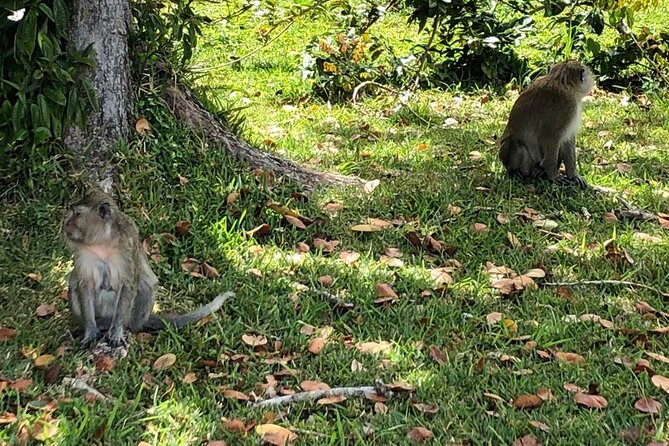
The tour runs about 6 to 7 hours, and transfers take longer or shorter depending on traffic and the time of day. You’re picked up and dropped back at your hotel, which is a big deal in Mauritius. It saves time, and it keeps the day from feeling like a self-drive chore.
The pricing is per group up to 3, which can make it good value if you’re traveling with friends or family. With a group of three, you effectively split the cost. With just two people, it’s still reasonable, but you’ll feel the per-person cost a bit more.
Your ticket is mobile, so you’re not chasing paper. You’ll get confirmation when you book, and the operator requires at least 2 people per booking. If your travel dates are tight, it’s smart to check the available time slots early.
Also: this experience needs good weather. If conditions aren’t right, it can be rescheduled or refunded. That matters because temple and viewpoint time depends on visibility and comfort outside.
Vacoas Reservoir: Quick Context Stop or a Speed Bump?
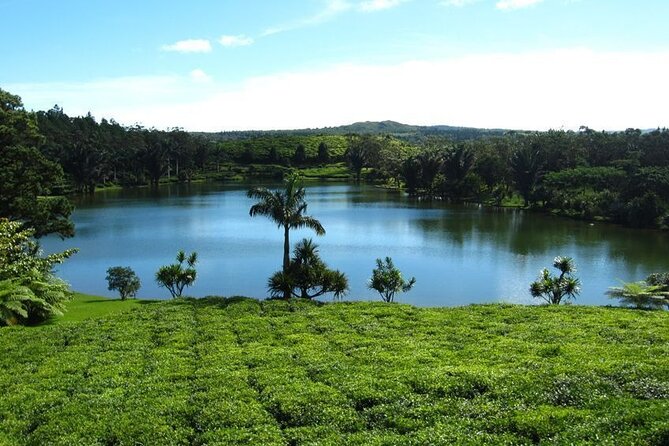
The day begins at Mare aux Vacoas, Mauritius’s main water reservoir. It’s the largest lake on the island and tied directly to potable water supply for the nation and the upper Plaines Wilhems area. The stop itself is brief—about 10 minutes—and admission is free.
Here’s how to think about it. Vacoas is useful because it grounds the day. Before you jump into sacred sites and plantation products, you get a reminder that Mauritius’s culture and daily life depend on water management.
But if you’re hoping for a full scenic break, you might find this portion a little too short. One helpful way to handle it: take a couple photos, get the basics from your guide, and then use that time to save your energy for Grand Bassin and Bois Chéri, where you’ll spend longer and get more to taste and learn.
If your guide is flexible, you can also ask for a focus on key points—why this reservoir matters, how it supports the island, and how water connects to settlement and farming.
Grand Bassin and the Giant Shiva Statue: Hindu Culture in a Sacred Setting
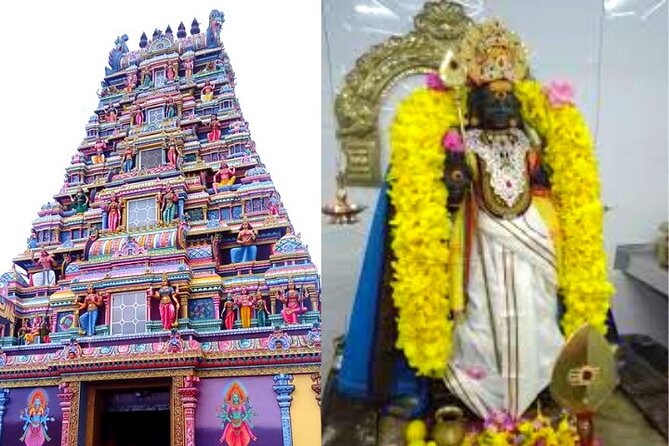
Next comes Grand Bassin, a sacred lake tied to Hindu worship. The visit is around 30 minutes, and admission is free. This is one of those places where you’ll feel the guide’s interpretation matter.
You’re there to learn about Hindu culture and why Grand Bassin holds such importance. The highlight is the giant Shiva statue, described as unique in the southern hemisphere. Even if you’re not the type to know Hindu iconography already, the guide can explain what you’re seeing and why it’s meaningful.
What I like about this stop for your experience is the balance: you get time to look and orient yourself, but you also get a guided explanation so you don’t end up just reading signs on your own. If you enjoy faith-based travel that still feels human—not staged—this is a strong match.
The other practical benefit: Grand Bassin is also a viewpoint moment. You’ll be outside, around open space, and that helps break up the day after the earlier quick stop.
Bois Chéri Tea Factory and Tea Museum: The Day’s Most Sensory Payoff
This is where the tour becomes hands-on.
At Bois Chéri Tea Factory and the Tea Museum, you’ll get about 1 hour of guided touring. Admission isn’t included, so budget for that extra cost if you’re planning a full tea experience.
During the visit, you’ll walk through the factory and tea plantation learning stories and history linked to tea production in Mauritius. The guide explains how tea matters on this island—not just as a product, but as part of the plantation economy and labor story.
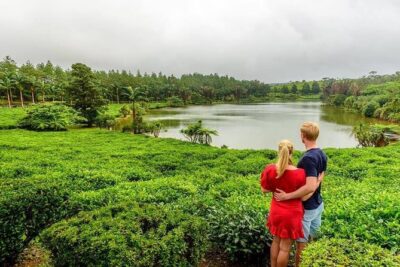
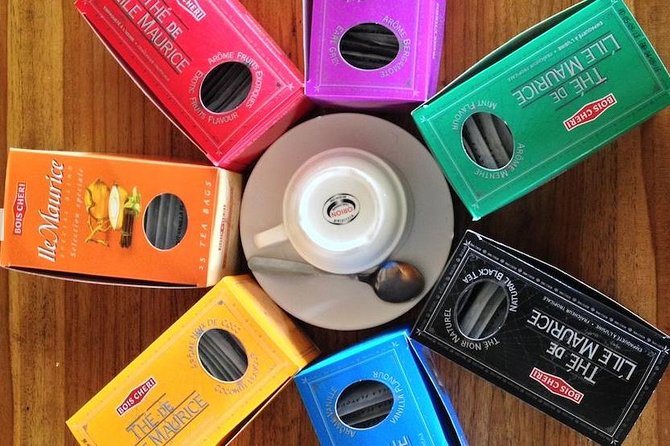
Then comes the part that makes people remember the tour: tasting. The factory visit is built around sampling tea varieties, including Mauritian vanilla tea. You can also try newer ranges like flavored teas, green teas, and herbal teas. Your guide can help you make sense of what you’re tasting and how the flavors relate to production.
A bonus that’s easy to miss if you rush: Bois Chéri offers a panoramic view of the south of the island. That view turns your tea learning into a bigger picture moment. Tea isn’t only made here—it’s rooted in how the land works and what people grow.
Practical tip: tea tasting can run from light to strong depending on the variety. If you have a sensitive stomach or caffeine worries, mention it to the guide right away so you can pace your sips.
Amma Tookay Hindu Temple: A Rebuild Story You Can Actually Feel
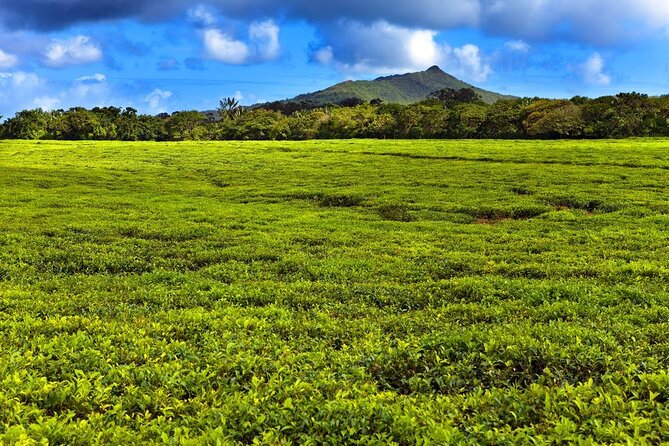
The tour then shifts from production and viewpoints to a temple stop: Amma Tookay Hindu Temple, with about 20 minutes on site and free admission.
This isn’t presented as a quick photo spot. The value here is the story. The temple’s origin involved workers building the first version using bamboo and straw. After a cyclone, the structure was devastated, but the statue remained. There’s also a note about attempts to move the statue that didn’t succeed.
Later, sugar camp activity and local decisions shifted, and the temple was rebuilt with help from locals. The person named is Narainsamy Thungapen, described as a local planter who chose to rebuild it after cyclone damage. This time the rebuild uses wood and tin sheets, with his wife involved in the effort. The temple’s history becomes a window into how communities adapt after disasters.
What makes this stop worthwhile for you is the “human scale” lesson. You don’t just see architecture. You learn how people respond when the environment knocks something down and they decide to rebuild anyway.
One more practical point: temples tend to have dress expectations out of respect, even when rules aren’t spelled out. Plan for modest clothing and bring a light layer if it’s warm but breezy.
Saint-Aubin Rum Distillery: From Sugar Cane Roots to Modern Rum
The last big stop is Saint Aubin (Saint-Aubin distillery) in the south. The visit is about 1 hour, and admission is listed as free.
This isn’t just a feel-good factory tour. The story ties rum production to longer sugar-cane roots on the island. Since 2003, Saint-Aubin has produced agricultural rum, but sugar cane growing is traced back to 1819. The guide also links the family business to a founder: Jean Baptiste Guimbeau, established in Mauritius in 1793, who created the family business in 1819. The timeline is described as eight generations.
You’ll get a sense of how the company evolved—from sugar industry into tea, agricultural rum, local products, and even ecological tourism. That matters because Mauritius isn’t only one crop or one tradition. It’s a chain of industries that layered on top of each other over time.
If you like tasting as much as learning, this stop usually hits the right note. Alcoholic drinks aren’t included, but they’re available to purchase. That means you can choose how much you want, rather than feeling pressured into a set package.
Price and Value: What $111.58 Covers, and What to Budget for
The headline price is $111.58 per group up to 3. On the surface, that can look like a lot if you’re used to per-person pricing. But it often makes sense because you’re paying for a private driver-guide, plus pickup and drop-off.
A quick way to judge value:
- If you book as 3 people, the effective per-person cost drops significantly.
- If you book as 2, it’s higher per person, but you still get a private day with multiple cultural and production stops.
Now the extras. The tour includes pickup/drop-off and guided transport, and several stops have free admission. But the tea factory and tea museum admission is not included, and there’s no lunch included. Drinks and alcoholic drinks can be purchased on-site.
So for a smoother day, you can plan to bring some money for:
- tea admission and whatever tasting extras you want beyond what’s included,
- snacks or lunch before/after the tea stop,
- any rum tasting purchases if you choose to buy.
If you’re the type who hates surprise costs, ask the guide up front what they expect to be covered during the tea portion, since that’s the one clearly marked as not included.
Who This Tour Fits Best (And Who Might Want a Different Mix)
This tour fits best if you want:
- a culture-and-food style day rather than only driving for views,
- a guided explanation of Hindu culture sites,
- a strong focus on tea and rum as part of Mauritius identity,
- private pacing for questions and photos.
It may feel less ideal if you:
- want a lot of time at every viewpoint,
- expect lunch to be included,
- hate short stops. Vacoas is brief, and the temple time is also limited.
One helpful way to tailor expectations: treat Vacoas as context, not a main attraction. Most of the day’s attention is better spent at Grand Bassin and the tea and rum producers.
Practical Tips That Make the Day Easier
A few small things make a big difference:
- Wear light, breathable clothing for temple and viewpoint time, and bring modest options in case the guide mentions dress expectations.
- Bring water. Even with frequent pauses, you’ll be outside in warmer weather.
- Consider a snack before you leave, since lunch isn’t included.
- If you’re sensitive to caffeine, pace the tea tasting and tell your guide your preferences.
- Keep your camera ready for Grand Bassin and the Bois Chéri panoramic view, which are the main photo windows.
Also, since this is private, you can usually ask for adjustments. If you’re more interested in tea production than the reservoir context, it’s worth mentioning your priorities early in the day.
Should You Book the Tea and Culture Route?
I think you should book this tour if you want a balanced day that ties Mauritius religion and history to real producers you can taste. The combination of Grand Bassin’s sacred Hindu setting, a story-rich temple stop, and the tea tasting at Bois Chéri plus the Saint-Aubin rum end-game is a strong mix for value.
Skip it (or shorten expectations) if you want long scenic time at every stop or you’re hoping for lunch and all entrance fees to be covered. The route is smart, but it’s still a “tasting + culture stops” day, not a full all-day free-roam nature hike.
If you’re traveling with two or three people, the group pricing makes this route especially tempting because you’re buying a private guided day, not just a bus excursion.
FAQ
How much does the Tea and Culture Route cost?
The price is $111.58 per group (up to 3 people).
How long is the tour?
It lasts about 6 to 7 hours (approx.).
Is pickup and drop-off included?
Yes, pickup and drop-off to your hotel is included.
Is this a private tour?
Yes. This is a private tour/activity, and only your group participates.
Which entrance fees are included?
Admission is listed as free for Vacoas, Grand Bassin, Amma Tookay Hindu Temple, and Saint Aubin. Bois Chéri Tea Factory and Tea Museum admission is not included.
Is lunch included?
No, lunch isn’t included.
Can I get a vegetarian option?
A vegetarian option is available. Let the operator know when booking.
Is alcohol included?
Alcoholic drinks are not included, but they’re available to purchase.