REVIEW · YOKOHAMA
Japanese Sweets Making & Tea Ceremony in Yokohama, suburban Tokyo
Book on Viator →Operated by Tea Ceremony At Private Home in Yokohama, suburban Tokyo · Bookable on Viator
Wagashi and matcha in a real Yokohama home. In a relaxed suburban setting, you’ll make seasonal Japanese sweets, learn how to be a proper guest in a tatami tea room, and whisk matcha yourself. It’s a three-hour class that feels personal, not like a rushed demo.
I especially like the hands-on wagashi making. You don’t just watch—you shape your own sweets (5 pieces total), then eat part of what you made during the ceremony. I also love that the tea ceremony is taught from the guest side, with explanations as you go, so it makes sense even if you’re seeing it for the first time.
One thing to plan for: you must bring socks to enter the tatami room. If you forget, it can turn an easy experience into a quick scramble before you can start.
In This Review
- Key things to know before you go
- First stop: Azamino Station and a private-home tea class vibe
- Wagashi making: shaping 5 pieces of seasonal Japanese sweets
- The tea ceremony in tatami: learning what a guest actually does
- The charcoal procedure and the matcha you’ll whisk yourself
- What you take home (and how to use it the next day)
- Price and timing: getting your money’s worth in 3 hours
- Who this class suits best (and who might think twice)
- Nearby add-on: a quick Yokohama stop from Azamino
- Should you book this Yokohama wagashi and tea ceremony workshop?
- FAQ
- Where does the workshop meet and end?
- Is pickup available?
- How long is the experience?
- What do I make in the wagashi portion?
- What do I eat and drink during the class?
- Do I need to bring anything?
- How many people are in a group?
- Do you provide ingredients and tea?
- What is the cancellation policy?
Key things to know before you go
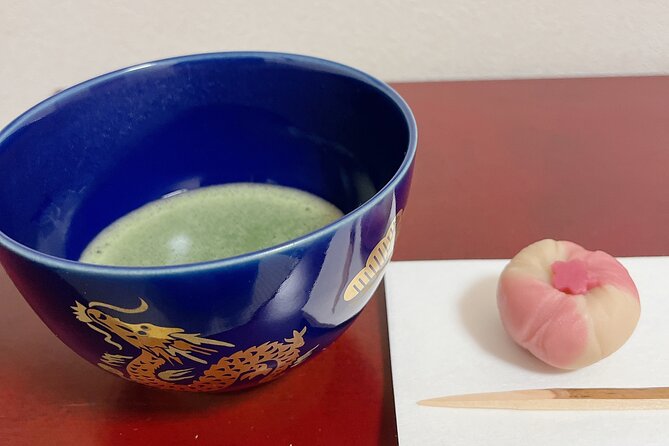
- Seasonal wagashi choices: The tea master selects what you’ll make based on the season, such as nerikiri, gyuhi, or manjyu.
- Charcoal boiled-water moment: You can see the charcoal procedure firsthand, including charcoal used to boil the water.
- Two matcha cups and tasting built in: You’ll drink two cups and eat multiple pieces during the flow of the ceremony and practice.
- You take more than you eat: You end with extra wagashi to enjoy later (4 pieces to take home).
- Small group setup: The class caps at 4 travelers, which helps questions and comfort.
- Azamino Station area start: The workshop begins near Azamino Station, with pickup offered.
First stop: Azamino Station and a private-home tea class vibe
This experience starts at Azamino Station (2 Chome Azamino, Aoba Ward, Yokohama), and it ends back at the same meeting point. If you’re staying somewhere in the Tokyo/Yokohama orbit, this is a practical way to get out of the center and still feel connected to real local life.
The class is in a private home, not a studio. That matters because it changes the pace. You’ll move through the sweets-making and tea-guest steps without the “look but don’t touch” energy that sometimes shows up in more touristy formats.
Also, the group size is small (max 4). In practice, that means you’re more likely to get direct help when your questions pop up, and you won’t be waiting in line for every step.
You can also read our reviews of more tours and experiences in Yokohama.
Wagashi making: shaping 5 pieces of seasonal Japanese sweets
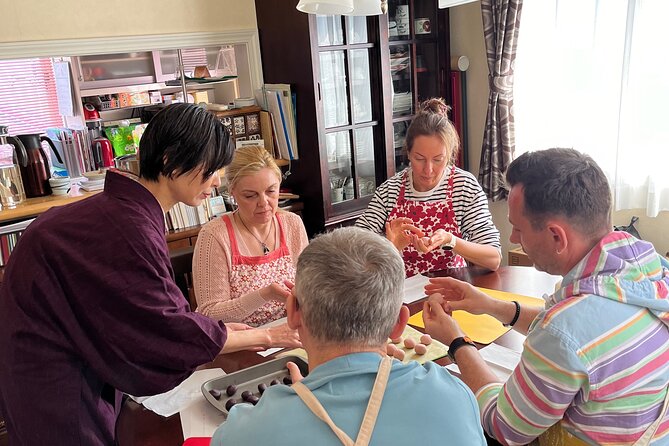
The workshop begins with making wagashi from dough. You’ll learn the basics, then get your hands on the process—this is the part that turns your afternoon from sightseeing into a skill.
You’ll make 5 pieces of wagashi. The tea master then uses 1 piece of what you made as part of the tea ceremony portion. The rest becomes your tasting and take-home stash later, so your work isn’t just “for show.”
What kind of wagashi? It’s season-based. The class mentions options like nerikiri, gyuhi (mochi-style), and manjyu. Even if you’ve never heard these names before, the key is that you’ll see the way each type fits into the Japanese tea-world idea of seasonal sweets.
A really good sign here is that the teaching starts from the foundation. You’re guided through forming the dough and shaping correctly, not thrown into “good luck” territory. And because it’s in someone’s home, the atmosphere tends to feel warm and patient rather than formal and intimidating.
The tea ceremony in tatami: learning what a guest actually does
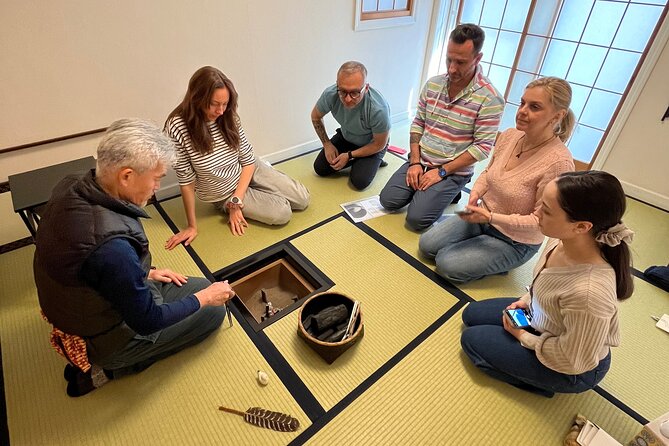
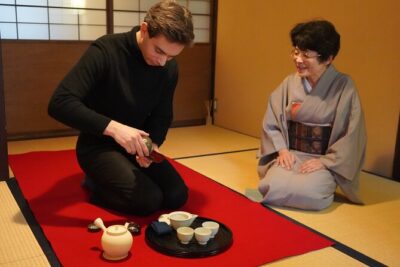
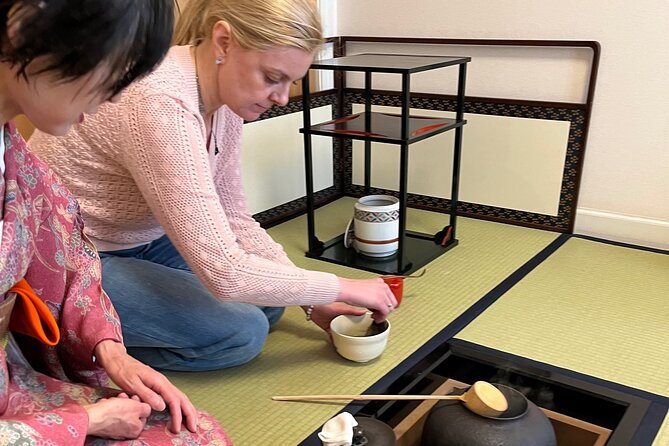
Once your wagashi are ready, you shift into the tea-ceremony setting in a traditional tatami room. This isn’t just a performance you watch from the outside. You learn how to be a guest—what to notice, how to hold yourself during the steps, and how to receive the experience correctly.
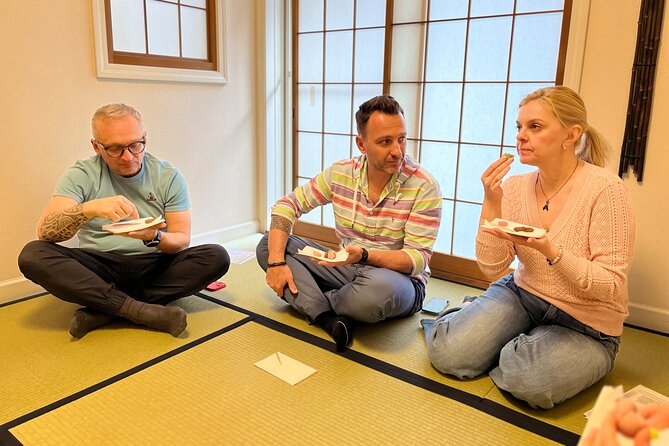
During the ceremony sequence, you’ll eat wagashi made earlier. That’s a smart design: you taste as the process unfolds, so you’re connecting the flavor to the ritual instead of spacing the tasting out later.
You’ll also hear explanations from the tea master, including the history and background of the tea ceremony. And you can ask questions, which is huge if you want clarity about why certain movements matter.
One practical point: because you’ll be on tatami, wearing socks is required. If you have comfortable socks with good traction, you’ll move around easier too.
The charcoal procedure and the matcha you’ll whisk yourself
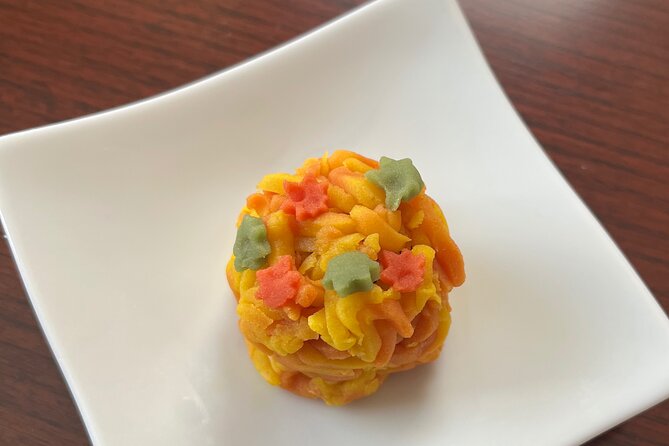
This class includes a moment many people don’t expect: you can see the charcoal procedure, where charcoal is used to boil the water. The effect is visual and physical—you’re watching a key part of the tea setup, not just hearing about it.
Then comes matcha. The tea master makes it for you first, so you get the correct technique and a chance to taste before you try again. You’ll drink matcha during the ceremony portion, which helps you understand how the sweetness and texture of wagashi pair with the tea.
After watching, you try making matcha yourself using wagashi and dried Japanese sweets prepared for you. You’ll get to whisk and handle the process with guidance. This turns the experience from “education only” into “I can do this” confidence.
The result: you can drink two cups of matcha across the activity. And you’ll eat two pieces of wagashi during the flow. So you’re not just practicing; you’re also enjoying the fruits of your work.
What you take home (and how to use it the next day)
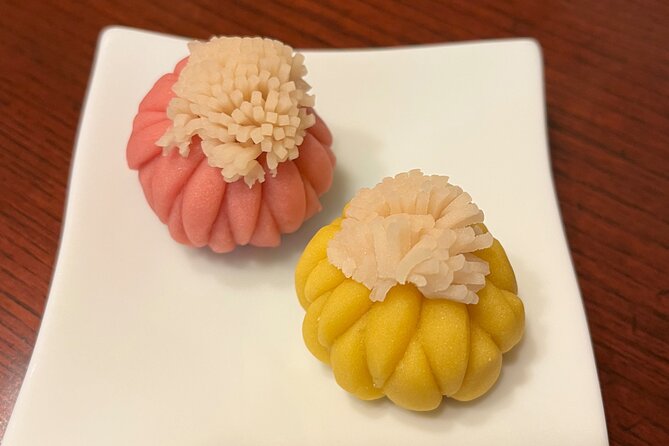
Here’s one of the best parts for value: you take home wagashi. The class says you’ll keep the remaining 4 pieces after eating your portions.
This is more than a souvenir. It gives you a chance to repeat the experience at home—slow tea, a tasting moment, and time to think about what you liked about your own shaping compared to the tea-ceremony presentation.
If you want to stretch the fun, pair the take-home wagashi with another short matcha session. You don’t need a full ceremony at home to make it meaningful. Even a quiet tea on your balcony or at your lodging can help the whole afternoon “stick” in your memory.
Price and timing: getting your money’s worth in 3 hours
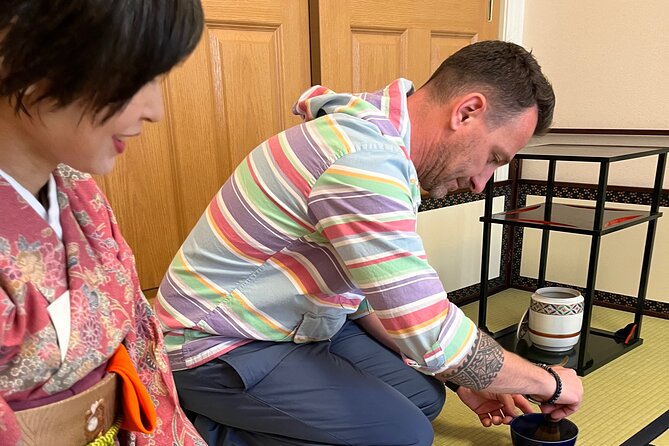
The price is $97.55 per person for about three hours. For a small-group, private-home class that includes ingredients for wagashi and matcha, the cost feels more justified than standard cooking classes where you might only get one “finished product” to taste.
You’re getting several value components at once:
- hands-on making (not just watching)
- multiple tastings during the ceremony
- matcha practice (not just a sip)
- and takeaway sweets so the class doesn’t end when you walk out
Timing is tight enough to fit into a day, but long enough to avoid feeling like you’re being herded. It starts at 1:30 pm, which is handy if you want to sleep in, eat a proper lunch first, and then focus on this after.
One note on logistics: pickup is offered. If you prefer not to manage transit from central Tokyo, that can be worth it by itself.
Who this class suits best (and who might think twice)
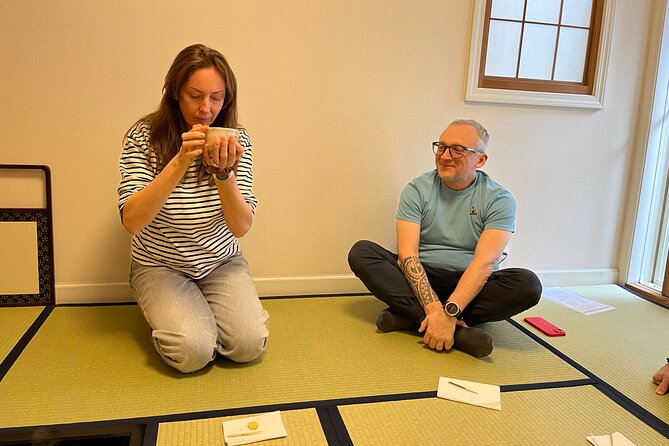
I think this fits best if you want something more authentic than a quick photo stop. Making wagashi and learning tea-guest manners in a tatami room hits that sweet spot between culture and hands-on learning.
It’s also a strong option if you’re traveling with teens or family. One review specifically highlighted a great experience with a 13-year-old, and the general format supports questions and participation. The small group setup helps keep it comfortable for different comfort levels.
Who might think twice? If you dislike sitting on tatami or hate quiet, slow steps, the ceremony portion may feel like “too much sitting.” Also, if your schedule is extremely tight, the required sock rule and the full sequence—from wagashi to charcoal procedure to matcha practice—means you shouldn’t plan any hard connections right after.
Nearby add-on: a quick Yokohama stop from Azamino
If you’re adding something around the workshop, there’s a practical suggestion: Yokohama Ramen Museum is about 15 minutes from Azamino Station. So you can pair this cultural class with a more casual food experience later the same day.
Just keep the pacing in mind. After making sweets and drinking matcha, you may want something lighter and simple rather than a huge food marathon.
Should you book this Yokohama wagashi and tea ceremony workshop?
If you want a class that feels like Japan inside a home—where you make sweets, taste them in the moment, watch a rare charcoal-boil step, then whisk matcha yourself—this is an excellent pick. The small group size and the guest-focused teaching style make it welcoming, even if you know nothing about tea ceremony culture now.
Book it especially if you like learning by doing. You’ll leave with more than photos: you’ll have a set of wagashi you shaped, plus a clearer sense of what the ceremony is trying to do for people who practice it.
If you have one potential concern, it’s the tatami sock requirement. Solve that, and the rest is straightforward.
FAQ
Where does the workshop meet and end?
It starts at Azamino Station (2 Chome Azamino, Aoba Ward, Yokohama, Kanagawa 225-0011, Japan) and ends back at the meeting point.
Is pickup available?
Yes, pickup is offered.
How long is the experience?
It takes about three hours.
What do I make in the wagashi portion?
You make 5 pieces of wagashi. The specific type is chosen by the tea master based on the season, such as nerikiri, gyuhi, or manjyu.
What do I eat and drink during the class?
You’ll drink two cups of matcha and eat two pieces of wagashi during the activity. You also take home the remaining four pieces of wagashi.
Do I need to bring anything?
You don’t need to bring anything for the wagashi class, but you must bring socks to enter the tatami room for the tea ceremony.
How many people are in a group?
The class has a maximum of 4 travelers.
Do you provide ingredients and tea?
Yes. The price includes ingredients for making wagashi and matcha (green tea).
What is the cancellation policy?
Free cancellation is available. You can cancel up to 24 hours in advance for a full refund, based on the experience’s local time. If you cancel less than 24 hours before, the amount paid is not refunded.