REVIEW · YOKOHAMA
Japanese Tea Ceremony at Private Home in Yokohama, suburban Tokyo
Book on Viator →Operated by Tea Ceremony At Private Home in Yokohama, suburban Tokyo · Bookable on Viator
Tea on tatami beats tourist shows. In suburban Yokohama, a 40+ year tea master teaches you how to be a proper guest in a tatami room. I love that it is hands-on, not just watching: you see the rare charcoal procedure and you get to make and drink matcha.
You’ll also get seasonal wagashi selected for you, and a chance to ask questions about tea ceremony history. The only real catch is logistics: you must bring socks for the tatami room, and that can feel odd if you are used to sneakers-on sightseeing.
In This Review
- Key things I think you should know first
- A Private Tea Room in Suburban Yokohama
- The 90-Minute Flow: Demo, Charcoal, and Guest Etiquette
- Seasonal Wagashi You Can Taste While You Learn
- Make Your Own Matcha: Two Cups, One Lesson
- Questions and Conversation With the Tea Master
- Where You Can Fit It: Yokohama Plans Around Azamino
- Price and Value: What $52.71 Buys You
- Who This Tea Ceremony Fits Best (and Who Might Want a Different Option)
- Should You Book This Yokohama Private Tea Ceremony?
- FAQ
- How long is the Japanese Tea Ceremony workshop?
- Is pickup available?
- What do I need to bring for the tatami room?
- What is included in the price?
- Will I be able to drink matcha I make?
- What kinds of wagashi might I eat?
- What is the cancellation policy?
Key things I think you should know first
- A private home experience in Yokohama: only your group, so the pace stays calm and personal.
- Charcoal procedure in the water-boiling step: a detail even many people who like tea ceremony have never seen.
- Seasonal wagashi, chosen by the tea master: including options like nerikiri, gyuhi (mochi), and manjyu.
- You mix matcha yourself and drink two cups: so you walk away with muscle memory, not just photos.
- Dietary-friendly sweets: the wagashi and snacks are offered in versions that work for vegan and gluten-free needs.
- Pickup available: helpful for getting there without stress in suburban Yokohama.
A Private Tea Room in Suburban Yokohama
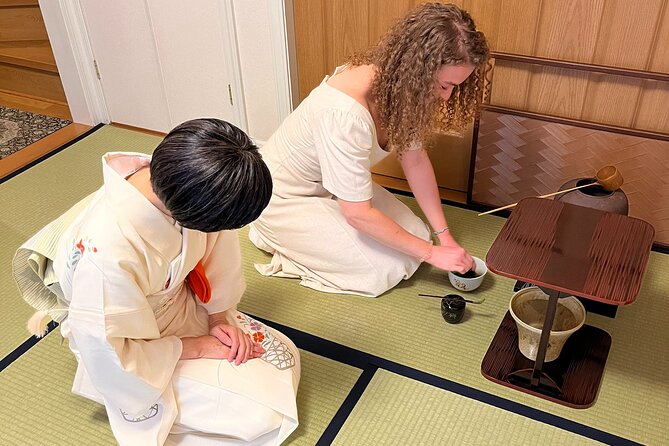
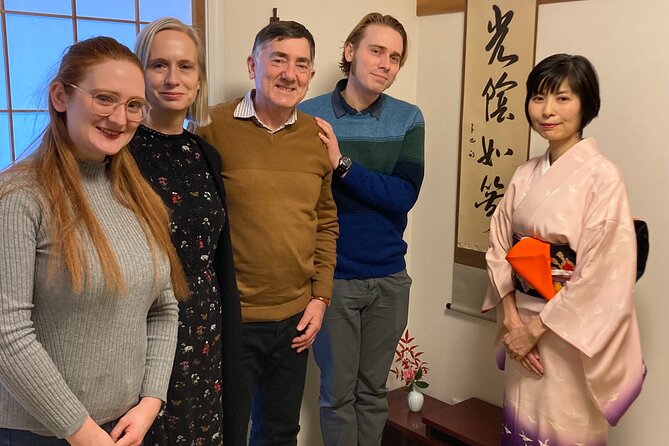
This tea ceremony is held in a private home in Yokohama’s Aoba Ward, not in a big public venue. That matters more than you might think. In a home setting, the teacher can slow things down, answer your questions, and keep the whole experience at a human pace instead of a production line.
Your start point is at a specific local meeting location near Azamino (Ōbachō, Dorese Azamino Gardens). It ends back at the same meeting point, which is convenient if you like to keep your plans tidy. If you want help getting there, pickup is offered, and you get a mobile ticket, which makes day-of logistics easier.
You’ll be entering a tatami room. Before you even think about matcha, remember the practical rule: you need socks for the tatami floor. That one detail alone can shape your comfort level, so I’d plan your outfit around it.
You can also read our reviews of more tours and experiences in Yokohama.
The 90-Minute Flow: Demo, Charcoal, and Guest Etiquette
The workshop runs about 1.5 hours, and the time is used well. It is structured like a real ceremony lesson: you watch, you learn why, then you try it yourself.
First, the tea master demonstrates how the tea ceremony works as a guest would experience it. You’re not just learning steps; you’re learning the mindset behind them—how to participate without taking over the moment. That is a big part of why this style of experience feels authentic. You get to see how a teacher guides attention, movement, and timing.
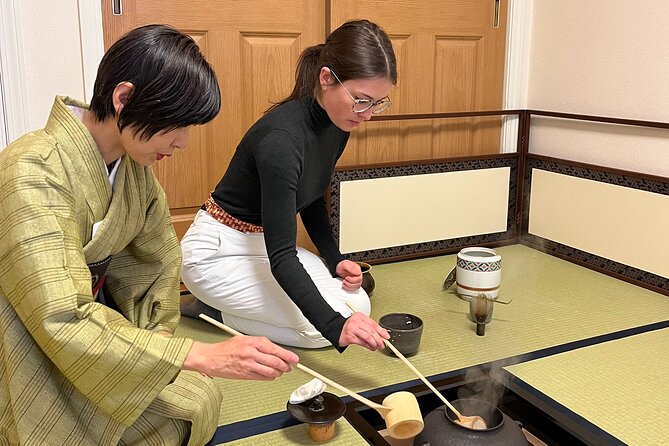
Then comes one of the stand-out parts: the charcoal procedure. Instead of the usual modern shortcuts, the teacher adds charcoal to boil the water. The point is not the drama. The point is the craft: you’re seeing a technique that is rare to encounter, even for Japanese people. Watching it also helps you understand that tea ceremony is partly about materials and process, not only taste.
After that demonstration, the teacher makes matcha for you during the procedure and serves you wagashi—seasonal sweets selected for the time of year. I like this sequence because it keeps you engaged while you learn. You are not waiting until the end to enjoy anything.
Seasonal Wagashi You Can Taste While You Learn
In most tourist versions of tea ceremony, the sweets are an afterthought. Here, the sweets are a centerpiece of the guest experience.
The tea master prepares wagashi before you move into the matcha hands-on portion. The exact style depends on the season, and you may see options like nerikiri, gyuhi (mochi), or manjyu. Even if you do not know the differences yet, the seasonal selection gives you a real sense of how tea ceremony connects to the calendar.
A practical win: the snacks are described as good for vegan and gluten-free needs. That is not always guaranteed in cultural food experiences, so it is worth noting. Still, if you have allergies, treat this as a cue to ask questions when you arrive—your best information is always with the person hosting you.
This tasting moment also helps you learn the pacing of the ceremony. You have time to eat, then shift attention to tea. It’s a small loop of sensory focus that makes the lesson stick.
Make Your Own Matcha: Two Cups, One Lesson
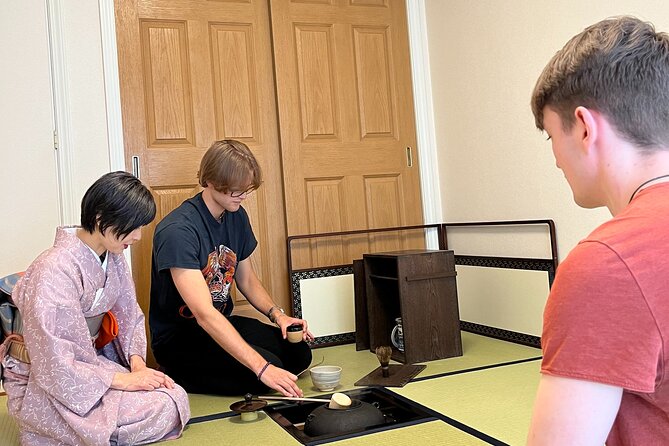
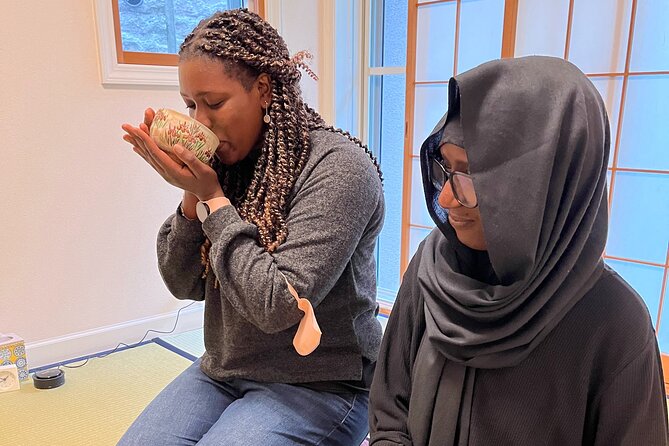
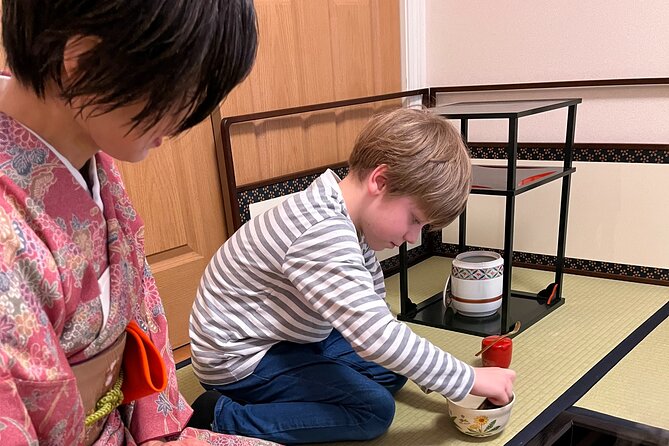
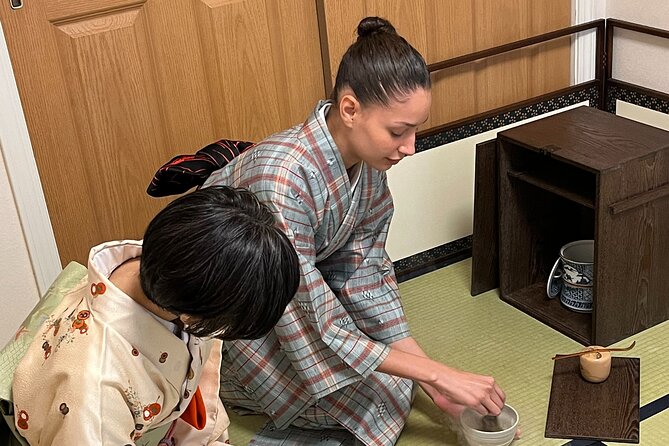
Here is where the experience turns from nice to memorable: after seeing the procedure, you get to make matcha yourself. The teacher guides you through mixing so you can actually participate, not just observe.
You will be able to drink two cups of matcha—one as part of the guided experience and one through your own hands-on practice. That matters. One sip is often not enough to understand what you are doing. Two cups gives you repetition, so you can feel the difference as you follow the steps.
I also like that you are doing more than tasting green tea. The ceremony teaches attention: tools, motion, and the moment you choose to pause. Even if you consider yourself a casual tea drinker, participating is the difference between appreciating the idea and understanding the practice.
Questions and Conversation With the Tea Master
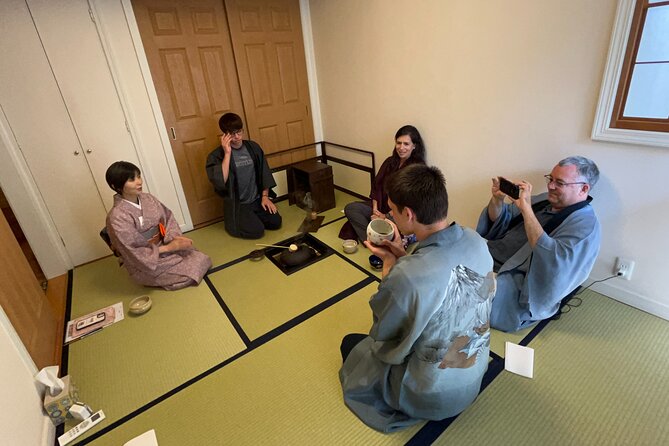
The workshop includes more than a routine. The teacher shares the history of Japanese tea ceremony, and you can ask questions.
That is one of the best parts of this kind of private class. When you hit a detail that feels confusing—why charcoal, why the steps, why the sweets—you do not have to hunt for answers later. You can ask right there, with the person who has taught the ceremony for decades.
In the experience feedback, guests talk about warm conversation with the host family setup. You get the sense you are sitting down for a lesson, not being marched through a script. If you like learning by talking things through, this works.
Where You Can Fit It: Yokohama Plans Around Azamino
Because the session is about 90 minutes, you can slot it into a day without wrecking your schedule. The area around Azamino has good nearby options, and one popular pairing is the Yokohama Ramen Museum.
The logistics detail to remember: the closest Shinyokohama station is about 15 minutes from Azamino station by Yokohama subway. If you’re building a day that mixes food stops with a cultural activity, tea ceremony at a private home pairs well because it gives you something quieter and more grounded between busier meals.
Price and Value: What $52.71 Buys You
At $52.71 per person, the price is in the “worth it if you’ll actually participate” range. Here is why I think it holds up.
You are paying for:
- A tea master with 40+ years of training and 15+ years teaching
- A real ceremony setting in a private tatami room
- Included wagashi and matcha snacks
- The rare charcoal procedure
- Hands-on time where you make matcha and drink two cups
- Added convenience like pickup offered and a mobile ticket option
If you only wanted a quick photo moment, this would be overpriced. But if you want the process, the hosting, and the hands-on participation, the value looks solid for the time you spend.
Also, this kind of workshop tends to book up. The average booking timing is about 38 days in advance, so if you know your travel dates, don’t wait until the last week.
Who This Tea Ceremony Fits Best (and Who Might Want a Different Option)
This experience is ideal if you:
- Want a calmer, more personal cultural activity than a large group show
- Like hands-on lessons where you do the main step yourself
- Care about seasonal food details like wagashi
- Appreciate craft elements, especially the charcoal procedure
- Need sweets that are offered for vegan and gluten-free needs
It may feel less ideal if you:
- Hate the idea of tatami floor etiquette and sock-only entry
- Prefer very long activities (this one is about 1.5 hours)
- Want strictly English-only explanations (no language specifics are provided here, so you might want to confirm ahead of time if that matters)
The biggest consideration remains the tatami logistics. Plan for socks, and you’ll be fine.
Should You Book This Yokohama Private Tea Ceremony?
I’d book it if you want tea ceremony as a real lesson in a real home—taught by someone who has practiced for decades and hands you the tools to participate. The charcoal procedure is a strong hook, but the better reason is what you do with it: you learn, you taste seasonal wagashi, and you leave having mixed and drunk two cups of matcha.
If you dislike cultural activities that require a bit of etiquette (socks, tatami room comfort), then choose a different type of tea experience. For most people who like food, craft, and calm immersion, this is a smart, efficient way to experience Japanese tea culture beyond the basics.
FAQ
How long is the Japanese Tea Ceremony workshop?
It takes about 1.5 hours total.
Is pickup available?
Yes, pickup is offered.
What do I need to bring for the tatami room?
You should bring socks to enter the tatami room.
What is included in the price?
It includes matcha (green tea) and wagashi (handmade Japanese sweets), which are also described as good for vegan and gluten-free.
Will I be able to drink matcha I make?
Yes. After the demonstration, you can try making matcha yourself, and you will drink 2 cups of matcha.
What kinds of wagashi might I eat?
The tea master selects seasonal wagashi, with examples including nerikiri, gyuhi (mochi), and manjyu.
What is the cancellation policy?
You can cancel for free up to 24 hours in advance for a full refund. Canceling less than 24 hours before the experience start time is not refunded.