REVIEW · HONG KONG SAR
Tea Tasting & Brewing Experience
Book on Viator →Operated by Hong Kong Foodie Tour · Bookable on Viator
Tea can taste like a whole new language. In Wan Chai, this 1.5-hour session turns tea tasting into hands-on practice with a gaiwan, plus guided tips on how professional tasters judge aroma and flavor. I like that it’s not just about drinking. You learn what to look for and how to describe what you’re sensing.
Two things I especially like: you get a structured overview of six tea categories, and you also brew your own tea with a gaiwan, experimenting with the elements that shape a great cup. A possible drawback is simple: at about 90 minutes, you’ll do a taste-and-brew cycle, but you won’t have time for a long, slow ritual.
The small group size (max 6) helps a lot here. You can ask questions without disappearing into a crowd, and the pace stays friendly—assuming you’re ready to taste, compare, and talk through what you notice.
In This Review
- Key things to know before you go
- Tea Tasting in Wan Chai: A 90-Minute Sensory Lesson
- What You Taste: Myths, Facts, and Six Tea Categories
- Gaiwan Brewing Practice: Where Great Cups Start
- How Tea Tasters Evaluate: Learn the Language of Aroma
- Seasonal Premium Tea and Complimentary Snacks
- Price and Value for $55.11: Small Class, Real Practice
- Who This Tea Tasting Class Is For
- Should You Book This Tea Tasting and Brewing Experience?
- FAQ
- How long is the tea tasting and brewing experience?
- Where does the tour start?
- What is the group size?
- What’s included in the session?
- How much does it cost?
- What’s the cancellation policy?
Key things to know before you go
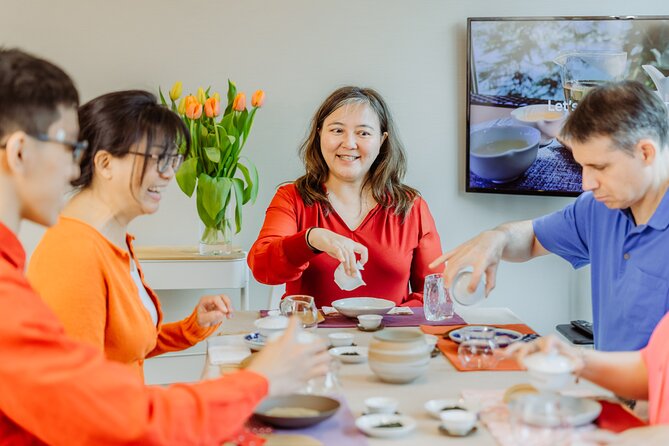
- Gaiwan brewing practice: you’ll brew your own tea using a traditional gaiwan, not just watch.
- Six tea categories explained: you’ll learn what makes each category distinct in aroma and flavor.
- Tea language for real tasting: you’ll practice describing what you sense as you sip.
- Professional tasting perspective: you get a peek at what tasters focus on when evaluating tea.
- Seasonal premium teas plus snacks: tastings are paired with complimentary bites for an extra layer of flavor.
Tea Tasting in Wan Chai: A 90-Minute Sensory Lesson
This is a focused class designed for people who want more than a quick sip. Based in Hong Kong SAR, it runs about 1 hour 30 minutes, and it’s booked through Hong Kong Foodie Tour. The format matters: you’ll learn by doing—tasting, then brewing, then tasting again—so the session doesn’t feel like a lecture you forget the next day.
The meeting point is at 382 Lockhart Rd, Wan Chai, and the activity ends back there. Since it’s near public transportation, you can fit it into a half-day plan without heroic logistics. You’ll also use a mobile ticket, and you get confirmation when you book.
One more practical note: the experience requires good weather. That doesn’t usually matter for a tea class, but it does mean you should keep an eye on the forecast if your schedule is tight. And because it has a maximum of 6 travelers, you’re not joining a giant bus group—you’re joining a small tasting circle.
You can also read our reviews of more tours and experiences in Hong Kong SAR.

What You Taste: Myths, Facts, and Six Tea Categories
Tea in Hong Kong isn’t “one thing.” The class helps you see it that way. You’ll start with facts and myths about tea, which is a smart way to loosen up your expectations. If you think you already know tea, these quick corrections can make the tasting more interesting because you stop judging by assumptions.
Then you’ll cover six categories of tea, and the instructor will explain what makes each category unique. Even if you don’t remember every label later, the goal is bigger: you’ll learn to connect category to sensory character—how the tea tends to smell, how it tends to taste, and what shifts when you brew it differently.
A key part of this section is learning how to describe the tea. You’re not just told whether something is good. You’re guided to pay attention to aroma and flavor in a way that builds real vocabulary. That makes everything easier later, when you’re shopping or ordering and trying to choose between styles.
Gaiwan Brewing Practice: Where Great Cups Start
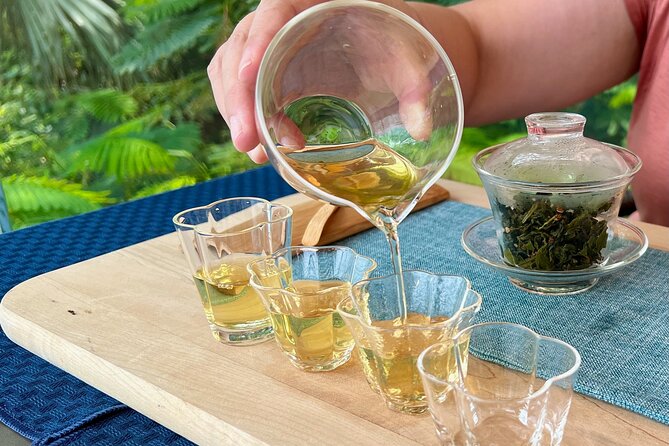
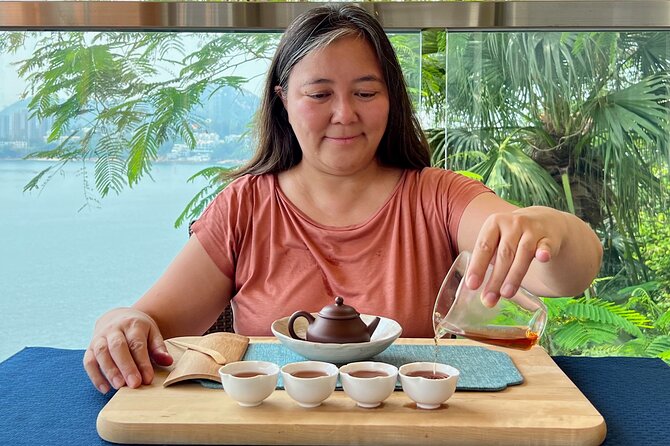
The most valuable part for most people is the hands-on brewing. You’ll brew your own tea with a gaiwan, a covered vessel that lets you practice controlled steeping. This is where the class stops being entertainment and starts being a skill.
The experience specifically mentions experimenting with the crucial elements that make a great cup of tea. While the exact variables aren’t listed in the tour details you provided, the takeaway is clear: small changes during brewing affect aroma and taste. That’s the core lesson tea tasters respect.
If you’ve ever had the same tea taste different at different places, this class helps explain why. By brewing yourself, you experience the cause-and-effect relationship directly instead of guessing what went wrong.
And because it’s only 90 minutes, the timing is designed for momentum. You’ll taste a curated selection of premium tea and then apply what you’re learning quickly. That makes the learning feel practical rather than academic.
How Tea Tasters Evaluate: Learn the Language of Aroma
The session isn’t only about “what tastes good.” It also shows how professional tea tasters evaluate tea. The clue is in the wording: you’ll explore complex aromas and flavors, and you’ll get a glimpse at what tasters look for while evaluating.
In real life, that skill is what separates random tasting from thoughtful tasting. Instead of saying this tastes strong, you start noticing patterns: how the aroma presents first, what you detect as it warms, and how the flavor changes as you sip.
This part also trains you to slow down for a moment. Aroma deserves time. Taste deserves comparison. The class helps you do that on purpose, so you’re not just swallowing and moving on.
One extra nice touch is that you’ll learn how to describe what you’re sensing. When you have words for aroma and flavor, you can communicate what you like to staff, friends, or even your future self. It makes tea shopping in Hong Kong feel less like guesswork.
Seasonal Premium Tea and Complimentary Snacks
Tasting sessions can feel uneven when the tea selection is random or when you don’t have anything to contrast flavors. Here, the tour states you’ll savor a selection of premium tea carefully curated for the season, and you’ll pair it with complimentary snacks.
That pairing is practical. Snacks give your palate something to reset against and can make differences between teas easier to notice. Even if you don’t think you’re a serious foodie, having small bites involved helps you stay engaged through multiple tastings.
Seasonal selection also matters. Tea quality and style aren’t constant all year, and the instructor is working with what fits the season. For you, that means the class can feel current rather than like a one-size-fits-all product.
Price and Value for $55.11: Small Class, Real Practice
At $55.11 per person for about 1.5 hours, the cost isn’t trying to be cheap. But it also isn’t just paying for someone to pour tea. You’re paying for guided sensory training plus practical brewing with a gaiwan, and you’re also getting premium tea and complimentary snacks.
The small group limit (max 6) helps justify the value. This kind of class costs more when it stays personal. When there are fewer people, the instructor can slow down, correct technique, and help you identify what you’re tasting.
If you compare this to buying tea and trying to figure it out alone, the math shifts. Buying is easy. Learning how to taste and brew is the hard part. This class gives you structure in 90 minutes, so you’re not stuck with trial and error on your own.
A booking note: it’s commonly booked about 11 days in advance on average. If you want a specific day or you’re traveling during peak season, I’d treat that as a hint to reserve sooner rather than later.
Who This Tea Tasting Class Is For
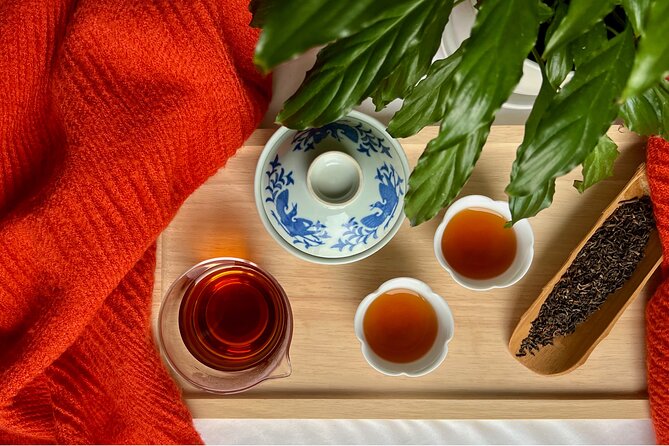
This is a strong fit if:
- You’re a tea lover who wants to taste with intention, not just curiosity.
- You’re new to tea and want a guided way to recognize aroma and flavor.
- You like hands-on food experiences, especially ones that teach you how to do something at home.
- You prefer small groups and an instructor who can answer questions.
It’s also a good choice if you’re spending time in Hong Kong and want an activity that feels local in spirit. Tea culture is part of everyday life here, and this class helps you understand that culture through the cup.
If you’re looking for something that lasts several hours, or you want a long, formal ceremony-style program, this likely won’t match that expectation. It’s short, practical, and focused on tasting + brewing.
Should You Book This Tea Tasting and Brewing Experience?
I think you should book it if you want tea skills, not just tea samples. The combination of learning how tea tasters evaluate, practicing the language of aroma and flavor, and brewing with a gaiwan in a small group is a rare mix for a 90-minute activity.
One more decision help: if you’re the type who gets curious about why things taste different, this will likely click fast. You’ll leave with a better sense of what to notice next time you taste tea—and you’ll have actually brewed it yourself, which makes the learning stick.
If you want a tea experience that’s relaxed, structured, and teachable, this is an easy yes for most people heading to Hong Kong. Just remember: it’s compact. Bring curiosity, and be ready to taste and talk through what you notice.
FAQ
How long is the tea tasting and brewing experience?
It lasts about 1 hour 30 minutes.
Where does the tour start?
The meeting point is 382 Lockhart Rd, Wan Chai, Hong Kong, and the experience ends back at the meeting point.
What is the group size?
The session has a maximum of 6 travelers.
What’s included in the session?
You’ll learn about tea categories, taste a selection of premium tea, and brew your own tea using a gaiwan. Complimentary snacks are also included.
How much does it cost?
The price is $55.11 per person.
What’s the cancellation policy?
You can cancel for a full refund if you do it at least 24 hours before the experience starts. The experience also requires good weather, and if it’s canceled due to poor weather, you’ll be offered a different date or a full refund.