REVIEW · JAIPUR
Tea Tasting Session at India’s oldest tea boutique : Sancha Tea Boutique
Book on Viator →Operated by Sancha Tea Boutique · Bookable on Viator
Tea geeks, this one’s for you. Sancha Tea Boutique on Jaipur’s MI Road turns Indian tea into a guided tasting, with the Master Tea Taster running the show and the store backing it up as India’s oldest tea boutique chain. What I love most is how the session compares Darjeeling across three seasons in one sitting, so you can actually taste the difference instead of reading about it.
The second thing I like a lot is the setup: a small group (up to 10) that makes it easier to ask questions while you sample black teas from Darjeeling, Assam, and Sikkim and then round it out with masala chai. Afterward, you get to browse a shop with 100+ teas if you want to buy gifts or build your own little tea stash.
One drawback to consider: the tasting is about one hour, and the shop runs roughly 12:00 PM to 6:00 PM most days. If you’re hoping for an early-morning tea ritual or a long, slow pour-over style experience, you’ll need to plan around that timing.
In This Review
- Key highlights worth marking on your Jaipur map
- Enter Sancha Tea Boutique on MI Road
- How the tasting works: multiple teas, clear comparisons
- Darjeeling across three seasons: the real flavor lesson
- Assam and Sikkim black teas: different personalities, same category
- Masala chai: spice meets tea in a practical way
- The history piece: short, useful context for what you’re tasting
- Browse time: the 100+ tea selection after the tasting
- Small-group format: why it feels personal
- Price and value in Jaipur terms
- When to schedule it (and how long to plan around it)
- Practical tips to get the most from your tasting
- Who should book this Jaipur tea tasting
- Should you book Sancha Tea Boutique in Jaipur?
- FAQ
- How long is the tea tasting session at Sancha Tea Boutique?
- Where do I meet for the tasting?
- What time is the shop open for this experience?
- How many people are in a group?
- What teas and drinks are included in the tasting?
- How much does it cost?
- Can I cancel if my plans change?
Key highlights worth marking on your Jaipur map

- Darjeeling spring, summer, and autumn in one session so the same tea bush shows three flavors
- Regional black tea comparison featuring Darjeeling, Assam, and Sikkim
- Masala chai tasting included (not just plain tea, and not an afterthought)
- Small group format, max 10 for real conversation
- Browse 100+ teas after tasting if you want to take something home
Enter Sancha Tea Boutique on MI Road
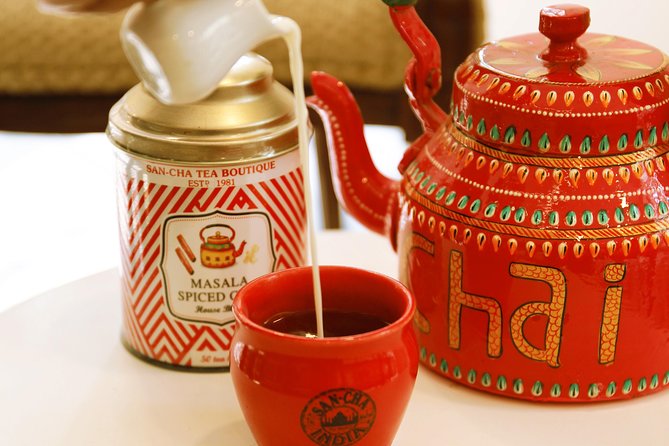
Sancha Tea Boutique sits on Jaipur’s MI Road (Mirza Ismail Rd), near the well-known Lassiwala area. The meeting point is right at the shop, so you don’t have to hunt for a hidden doorway or figure out a separate check-in location. That matters in Jaipur, where you can spend more energy locating places than enjoying them.
The session itself is simple in structure: you show up, you taste, you learn, and you’re back out again. It’s listed as about one hour, and the experience ends where you started. That makes it a good filler activity between bigger sightseeing blocks—especially if you’re taking a break from the heat and the crowds.
The shop is open daily roughly 12:00 PM to 6:00 PM. So if your mornings are packed with forts, palaces, and markets, plan to use your afternoon. Also note the activity uses a mobile ticket, which keeps things straightforward when you’re moving around with your phone.
You can also read our reviews of more tours and experiences in Jaipur.

How the tasting works: multiple teas, clear comparisons
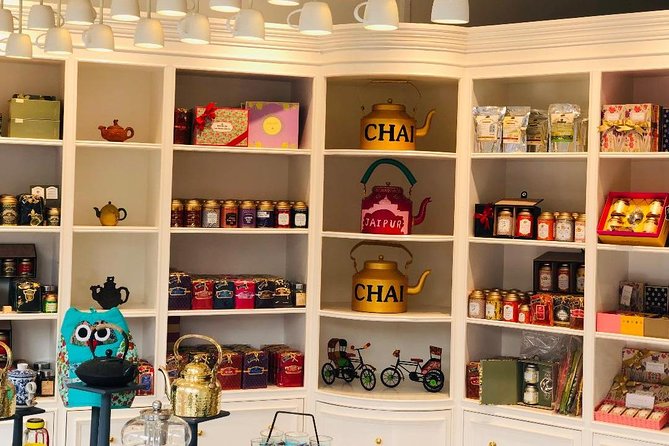
This isn’t a tea flight where everything tastes vaguely like tea. The tasting is built around comparison—regions, seasons, and style. You start with black tea from three famous growing areas: Darjeeling, Assam, and Sikkim, chosen by the shop’s Master Tea Taster. Then the focus narrows for the Darjeeling part.
Here’s the core flow:
- You taste black teas from Darjeeling, Assam, and Sikkim
- You taste three Darjeeling seasons: spring (first flush), summer, and autumn
- You taste masala chai
- You learn some of the history of Indian tea
- You finish by browsing the shop’s larger selection of teas
That combination is why this works for both tea lovers and people who only drink chai when someone hands it to them. It gives you a mental framework fast: you learn what changes flavor and what stays the same.
Darjeeling across three seasons: the real flavor lesson
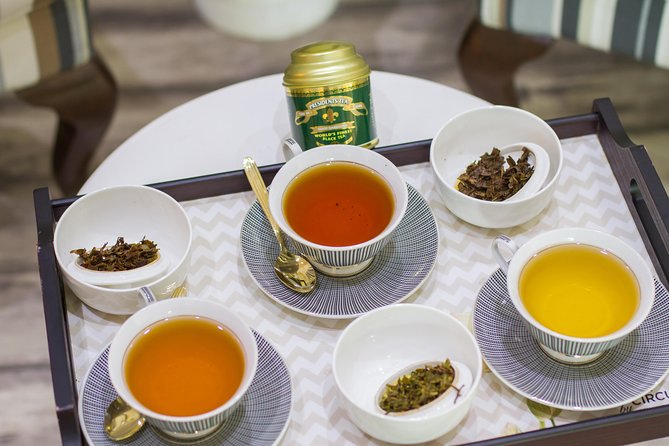
The most interesting part of the tasting is the Darjeeling seasonal comparison. You’ll taste Darjeeling spring (first flush), summer, and autumn, and the session explains why the same tea bush can produce noticeably different flavors as the season changes. The reason given is terroir—the mix of local conditions that shifts over the year.
In plain terms, this teaches you to stop judging a tea by its label alone. Two teas from Darjeeling can taste different because the leaves were picked and processed under different seasonal conditions. In other words: the cup becomes a timeline.
If you’re buying tea later, this part pays off. You can decide what you personally prefer—more delicate and bright, heavier and deeper, or something in between. And if you’re gifting, you can be more confident about matching the tea to the person’s taste rather than guessing.
Assam and Sikkim black teas: different personalities, same category

After tasting Darjeeling, you’ll move through black teas from Assam and Sikkim. It’s a smart choice to keep everything within the black tea family while changing origin. You still get variety, but it’s easier to detect what origin does to flavor.
Assam, for many tea drinkers, signals a more robust character. Sikkim tends to feel more subtle and distinct. This matters because it stops the experience from turning into a random parade of cups. Instead, it becomes a set of controlled experiments you can actually remember.
The tasting guide also points out notes in the teas while you sample. In real-world terms, that means you’re not just drinking—you’re learning how to describe what you’re noticing. That skill helps if you want to repurchase later or compare teas at home.
Masala chai: spice meets tea in a practical way
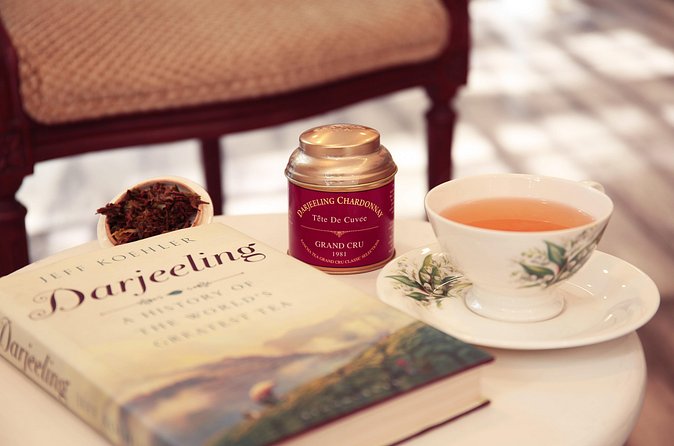
Then comes masala chai. This is where the session broadens beyond black tea leaves into the kind of tea most people know in India.
Masala chai is a useful capstone because it trains your palate to think about balance. You’re tasting tea plus spices, and that’s a different flavor experience than plain black tea. Even if you usually buy chai from a street stall, it’s helpful to taste masala chai after learning what the tea base can do.
If you’re not normally a tea drinker, this is often the easiest entry point. The chai can make the whole experience feel relevant, not academic.
The history piece: short, useful context for what you’re tasting
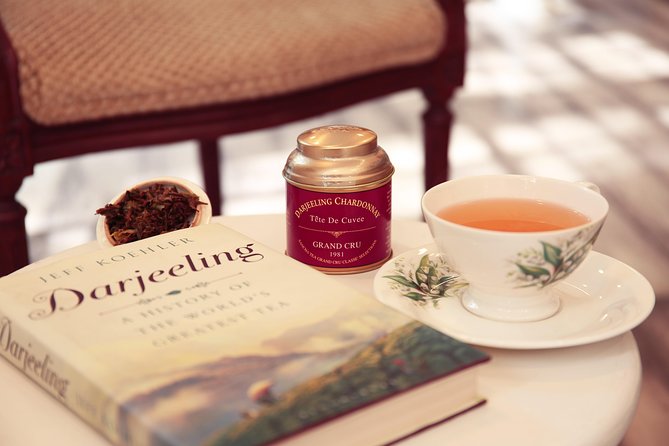
The experience also includes the history of Indian tea. You don’t get an essay that eats your whole hour. Instead, it’s background that helps explain why certain regions and styles matter.
This kind of context is valuable because it prevents tea from becoming just a taste test. When you know that India’s tea story is tied to specific regions and seasons, the flavors stop feeling random. You start tasting with a reason.
And if you’re traveling with kids, that context helps them connect the science-and-nature angle to something they can see. A tasting that has meaning tends to get better engagement across age groups.
Browse time: the 100+ tea selection after the tasting
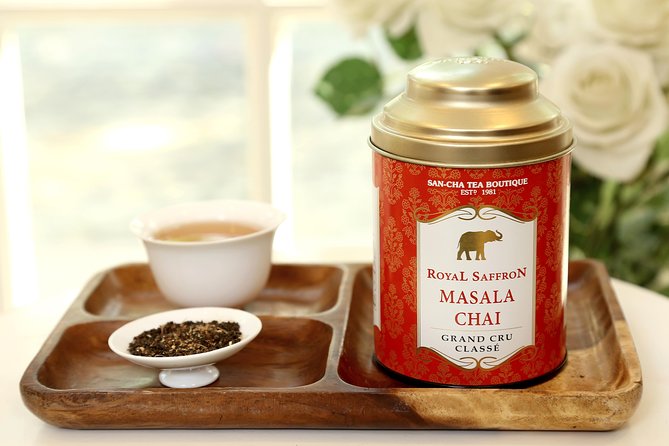
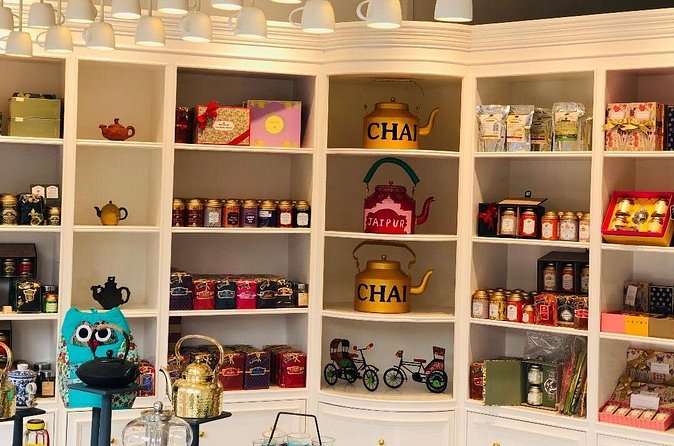
After you finish the guided tasting, you can browse the store. The shop offers 100+ types of Indian tea, including black, green, white, and oolong.
This is not just a souvenir store move. It turns the tasting into a purchasing decision. If you loved a specific regional profile, you can look for related options on the shelves. If you’re curious but unsure what to buy, you’ve already trained your palate during the session, so shopping becomes easier.
A tea shop like this is also a great place for gifts. Tea is light, it travels well, and it’s a food item that most people genuinely use.
Small-group format: why it feels personal
The experience has a maximum of 10 travelers. That number is small enough to keep it from turning into a lecture hall, but big enough that the vibe stays lively.
A small group matters because tea tasting often creates questions:
- Which notes are due to origin?
- How does season change the cup?
- How do you tell teas apart when they look similar in the cup?
When there’s room for conversation, the guide can adjust and explain in a way that matches your interests. You’re more likely to leave with a couple of real takeaways instead of just a nice hour.
Price and value in Jaipur terms
The price is $10.67 per person, and it’s typically booked about 6 days in advance on average. For a one-hour session that includes multiple black teas from major regions, three seasons of Darjeeling, plus masala chai, that’s solid value.
Here’s how I think about the math:
- You’re paying for guided tasting and explanation, not just a cup of tea.
- You get structured variety (region + season + chai).
- You also get browse time at a large tea shop, which can turn the experience into something you use right after you return to your room.
If you’re visiting Jaipur for a few days, $10.67 is an easy line item for something you’ll remember every time you brew tea later.
When to schedule it (and how long to plan around it)
Because the shop runs roughly 12:00 PM to 6:00 PM, I’d schedule this in the afternoon when Jaipur’s sun is at its loudest. Use it as a reset button. You’re inside, seated, and tasting instead of walking.
The tasting itself is about one hour, but don’t plan a second appointment five minutes later. Browning the shop can add time, especially if you’re tempted to pick up a few teas.
Also, since the experience starts and ends at the same meeting point, you can drop it into your itinerary without worrying about a complicated transfer.
Practical tips to get the most from your tasting
A tasting is only as fun as your attention. Here are a few simple habits that help:
- Go in with at least a light curiosity about black tea. Even if you’re not a tea person, ask which tea you should try first.
- Ask what to buy if you liked one cup in particular. The shop’s range is big, and the guide can point you toward the right type.
- If you’re buying tea, keep an eye on what the tasting showed you about seasons. That’s usually the difference between buying tea you like and tea you forget.
One more note: you might find that the session ends with a small gift, since some experiences do include one at the finish. Either way, treat the tasting like part lesson, part shopping trial.
Who should book this Jaipur tea tasting
This one fits best if you:
- Like food experiences that are calm and educational
- Want something small-group instead of another big-group tour
- Enjoy tasting comparisons and want to learn how tea changes with season
- Are traveling with kids and want an activity that isn’t just sitting in a museum
It’s also a good option for first-time tea drinkers because the masala chai gives an easy, familiar anchor.
If you’re the type who only wants a quick caffeine hit, you might feel it’s more guided than you need. But even then, the Darjeeling seasonal comparison is unique enough to justify it.
Should you book Sancha Tea Boutique in Jaipur?
If you’re torn between this and another afternoon activity, I’d lean toward booking it—especially if you care about flavor, origins, or gifts you can actually use. The session is structured, the variety is real, and the small group size keeps it from feeling rushed.
Book it if:
- You want a one-hour indoor break that still feels meaningful
- You want to taste Darjeeling spring, summer, and autumn in one go
- You’d like a guided path through teas before you shop
Skip it if:
- You only have time for a very short stop and hate structured activities
- You need an experience outside 12:00–6:00 window
Overall, Sancha Tea Boutique is a smart, value-forward way to understand Indian tea beyond the usual chai and sugar routine. If you leave with a better sense of what you like, it earns its spot on your Jaipur schedule.
FAQ
How long is the tea tasting session at Sancha Tea Boutique?
It lasts about 1 hour.
Where do I meet for the tasting?
You start at SANCHA Tea Boutique on MI Road (Mirza Ismail Rd), near Lassiwala.
What time is the shop open for this experience?
The listed opening hours are Monday to Sunday, 12:00 PM to 6:00 PM.
How many people are in a group?
The experience has a maximum of 10 travelers.
What teas and drinks are included in the tasting?
You taste black tea from Darjeeling, Assam, and Sikkim, three seasons of Darjeeling (spring/first flush, summer, autumn), and masala chai.
How much does it cost?
The price is $10.67 per person.
Can I cancel if my plans change?
Yes. You can cancel up to 24 hours in advance for a full refund. The experience also has a minimum number of travelers; if it’s canceled for that reason, you’ll be offered a different date/experience or a full refund.