REVIEW · BUSAN
Busan: Join a Tea Ceremony & Create a Calligraphy Memento
Book on GetYourGuide →Operated by Daman Teahouse · Bookable on GetYourGuide
Tea time can reset your whole day. At Daman Cha in Busan’s Yongho-dong seaside village, you slow down with a hands-on tea ceremony and a calligraphy memento you create yourself. It’s a calm break from the pace of Korea’s bigger streets, with a quiet room and a thoughtful rhythm.
I especially love the small-group feel and the chance to ask questions while you sip. With three seasonal teas and artisan teaware, the experience gives you more than one note to focus on, and the host, Ms. Min, guides you in plain, friendly terms.
One thing to consider: you’ll be writing with brush and ink, so if you hate mess or feel nervous about drawing, take your time and don’t worry about perfection.
In This Review
- Key Highlights to Know Before You Go
- Slow Morning in Yongho-dong: The Setting at Daman Cha
- Your 2-Hour Tea Ceremony: Tea Stories, Teaware, and Tasting
- Unique Teaware Up Close: Why It Changes Everything
- Tea-Inspired Calligraphy: Your Brush-and-Ink Keepsake
- What You’ll Eat, Sip, and Take Home
- Price and Value: Is $69 Worth Two Hours?
- Best Fit: Who Will Love This Busan Experience
- Practical Tips for a Smooth, Relaxing Session
- Logistics That Matter (Without the Headache)
- Should You Book This Tea Ceremony and Calligraphy in Busan?
- FAQ
- How long is the Busan tea ceremony and calligraphy experience?
- Where do I meet for the tour?
- What is included in the price?
- Is there a calligraphy keepsake I can take home?
- How many people are in the group?
- What languages are available with the instructor?
- Is the experience wheelchair accessible?
- What if I have food allergies?
- Can I cancel and get a refund?
- Can I reserve now and pay later?
Key Highlights to Know Before You Go
- Yongho-dong seaside setting: a quiet coastal mood that makes the ceremony easier to enjoy
- Three seasonal teas: a tasting that teaches without turning into a lecture
- Vintage-style teaware: unique cups and tools that change how the tea feels in your hands
- Brush-and-ink calligraphy keepsake: you leave with something tangible, made by you
- Ms. Min’s patient guidance: lots of Q&A and a relaxed pace, even if you go solo
- Limited to 3 participants: enough attention to actually follow along
Slow Morning in Yongho-dong: The Setting at Daman Cha
Busan can be loud and neon-fast, but this experience starts by changing the tempo. The ceremony takes place at Daman Cha, a quiet tea room (da-sil) in Yongho-dong, in a seaside village vibe. The location matters because tea culture is supposed to be about attention—less about racing through, more about feeling time expand.
When you arrive, you’ll be heading to the second floor of Building A, and you’ll find it facing the bridge. That detail is useful because this area is easy to wander around, and you’ll want to get your bearings fast so you can settle in. If you’re the type who likes to know exactly what to do when you get there, you’ll likely appreciate how the host provides clear direction in advance.
The room itself sets expectations: you’re not in a performance hall. You’re in a tea space where conversation can happen, but the main event is calm. That’s why this activity works well even if you’re traveling solo—you’re not getting funneled into a group script.
Your 2-Hour Tea Ceremony: Tea Stories, Teaware, and Tasting
The ceremony runs about 2 hours, which is long enough to learn the flow and taste different teas without feeling like a commitment you’ll dread. It starts with a welcome that includes seasonal fine teas, and then you settle into the rhythm of a traditional ceremony.
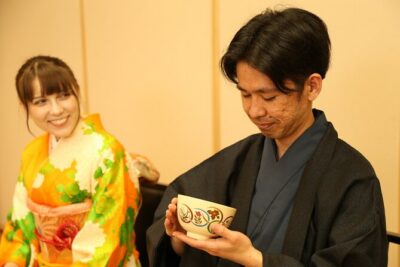
Here’s what makes this more than a tea tasting. You’re not only drinking; you’re being guided through how to hold teaware, how to pay attention to aroma and flavor, and how to connect the experience to cultural context. That cultural link shows up in how the session brings in stories—especially the East Asian tradition of enjoying tea alongside poetry, painting, and calligraphy.
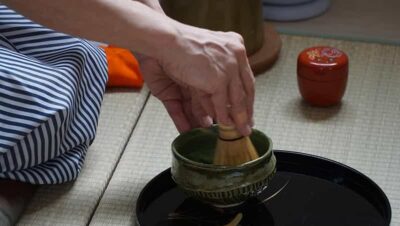
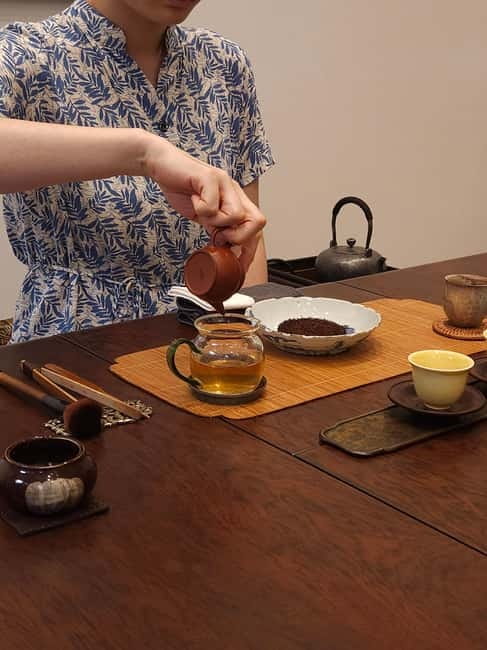
You also get to use artisan vintage teaware. That’s not just decor. When you switch from modern mugs to old-style cups and tools, the whole ceremony changes. You slow down naturally because you have to. Your body follows the pace of the ritual, which is part of what people describe as a meditative feeling.
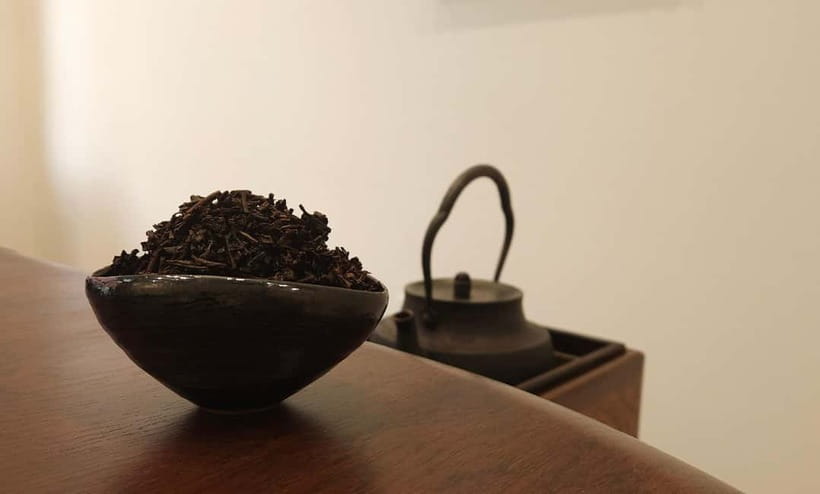
The tasting portion is three kinds of seasonal tea, and you’ll likely notice how the mood shifts with each pour. One tea can feel lighter and more delicate; another can feel more warming or deeper. The point is not to memorize notes. The point is to learn what to pay attention to so you can repeat the experience later at home.
Ms. Min’s teaching style is also a big part of the value. In the reviews, people talk about being comfortable asking questions, chatting without feeling pressured, and getting clear answers. If you enjoy conversation, you’ll get it—but if you want quiet, the atmosphere supports that too.
Unique Teaware Up Close: Why It Changes Everything
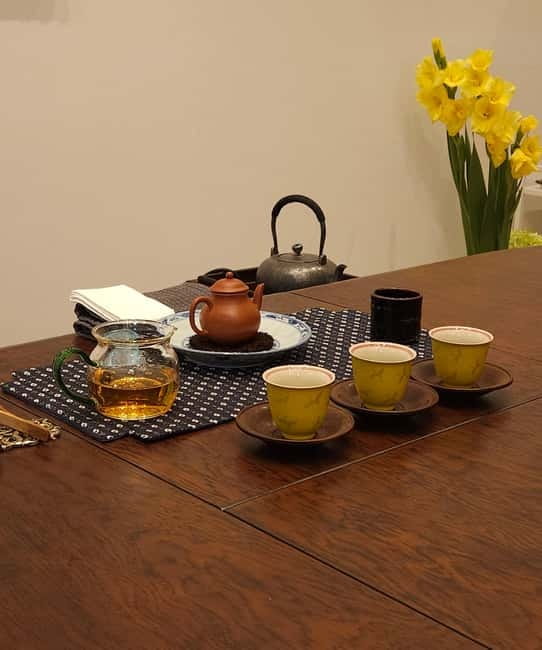
Most tea tours focus on taste. This one adds a tactile layer: the teaware experience. You’ll be using special cups and tools picked to fit the mood of the tea session, and each item helps you notice details you’d otherwise miss.
Think of it like this: flavor is only one part of tea. Temperature, aroma release, and how the cup feels in your hand all influence what you experience. When you’re using artisan pieces, you’re more likely to slow down and respect the process. And when you slow down, you start noticing differences between teas that you’d normally brush past.
It also makes the event feel more like a cultural workshop and less like a quick tasting in a café. You’re learning why tea ceremonies look and feel the way they do.
Tea-Inspired Calligraphy: Your Brush-and-Ink Keepsake
The calligraphy part is why a lot of people remember this session. In East Asian tradition, tea lovers often pair tea with gentle arts like poetry and painting. Here, you get the practical version of that idea.
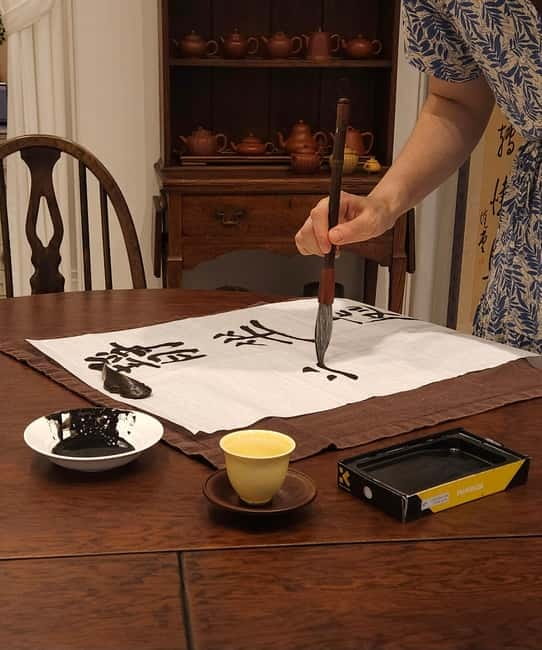
During the workshop, you express your tea experience using brush and ink. You’re guided through writing, and you choose from calligraphy phrases/messages—in the reviews, people mention having options such as seven messages to write. That choice matters because it turns the activity from copying something random into selecting a line that matches your mood.
You’ll also take home a tangible keepsake—your calligraphy piece—so you’re not leaving with a vague memory. This is the kind of souvenir that feels personal because you made it in the moment.
If you’re worried about skill level, don’t. The guidance is meant for real people, not calligraphy experts. Reviews highlight that Ms. Min is patient, gentle, and willing to answer questions. You’re learning a tradition and making something with your own hands, not chasing perfection.
Also, the activity has a real calming effect. People describe it as relaxing, almost like meditation. That makes sense: when you’re focused on brush strokes, posture, and ink flow, your mind has less room for travel stress.
What You’ll Eat, Sip, and Take Home
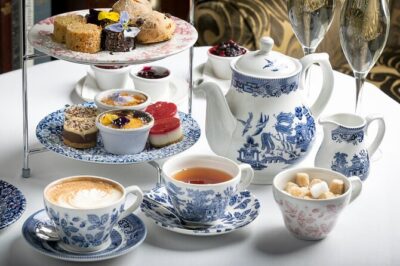
This experience includes tea snacks along with the ceremony. That’s useful because tea culture often pairs food and drink in a way that keeps you comfortable during the tasting and the creative work.
On the tea side, you’re tasting three kinds of seasonal tea. You’re not just sampling one thing and calling it a day. The tasting flow is designed so you can compare and notice how each tea feels as you move through the session.
On the keepsake side, you take home your calligraphy piece. And in the reviews, people also mention receiving a pamphlet with details about the ceremony, tea options, and calligraphy phrases. That’s a practical touch: it helps you remember what you made and gives you a way to revisit the idea later without guessing.
Price and Value: Is $69 Worth Two Hours?
For $69 per person over 2 hours, you’re paying for two main things: (1) a guided, small-group tea ceremony with structured tasting, and (2) a hands-on calligraphy workshop with a keepsake.
Is it cheap? No. But it’s not priced like a mass-market show either. The value comes from the combination of elements:
- Small group limit of 3 means you’re more likely to get individual attention instead of rushing through steps.
- Three seasonal teas is a real tasting, not a token sip.
- Vintage artisan teaware use adds an extra layer of experience.
- Your calligraphy keepsake makes it a learn-and-create activity, not just consumption.
If you like cultural activities you can actually take home—something made by you—this price can feel more reasonable than a standard ticketed attraction.
Best Fit: Who Will Love This Busan Experience
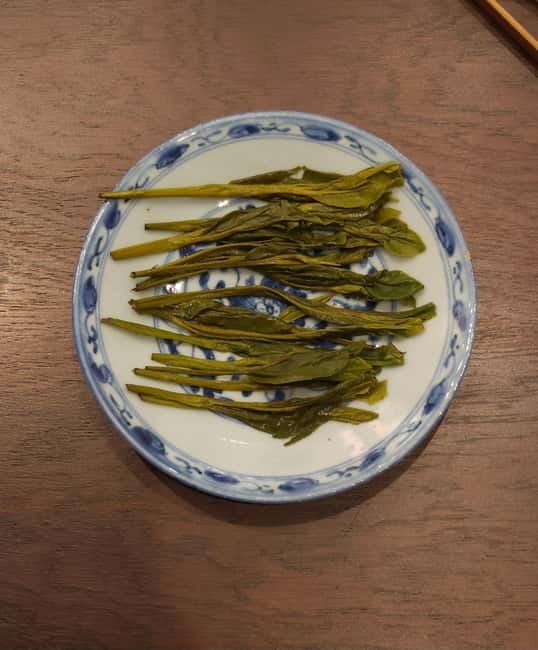
This is a great match if you:
- want a quiet, slower-paced activity in Busan
- like tea, but also want the cultural context behind it
- enjoy hands-on workshops more than passive sightseeing
- travel solo and want a session where you can talk without pressure
It’s also a strong choice if you’re the type who loves small details, like how teaware changes the way tea feels. And if you want something meaningful to bring home (not just photos), the calligraphy memento is a clear win.
Who might not love it? If you’re looking for high-energy entertainment or want something heavily focused on outdoor views, this is not that. It’s designed for stillness, attention, and craft. Also, because you’ll work with brush and ink, you should be comfortable with the idea of getting a little messy.
Practical Tips for a Smooth, Relaxing Session
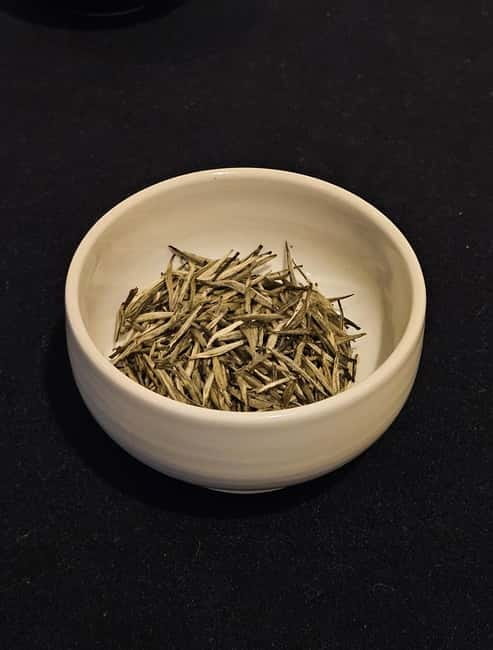
A few small choices will help you enjoy the experience more:
- Ask questions early. Ms. Min’s teaching style is built for conversation, and it helps you follow the steps without hesitation.
- Take your time with calligraphy. Even if your letters aren’t perfect, the goal is expression. Pick a phrase that matches your mood.
- Go with a calm mindset. The whole format is built around slowing down, so if you pack this between crowded plans, you may feel rushed.
- Mention allergies in advance. Tea snacks are included, and you should inform the organizer if you have any food allergies.
- Plan for ink and tools. You’re actively writing with brush and ink, so don’t treat it like a photography-only experience.
If you’re nervous about finding the place, double-check the directions before you go. The host sends clear guidance, including visual help, and that makes a big difference in a place where every building entrance looks similar at street level.
Logistics That Matter (Without the Headache)
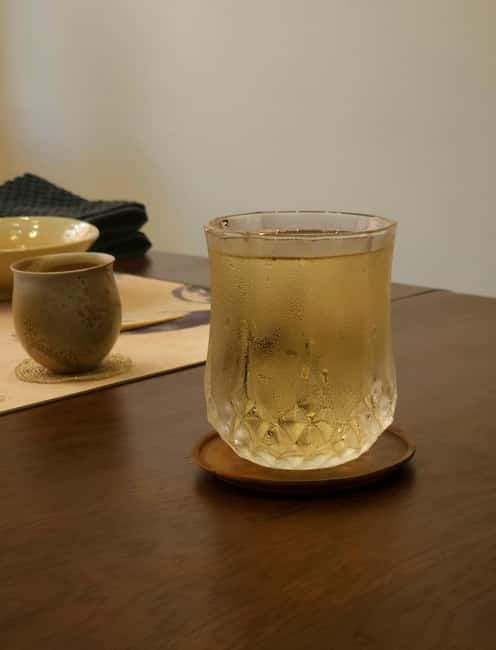
You’ll meet at 다만茶 (daman-cha), on the 2nd floor of Building A, facing the bridge. The experience is wheelchair accessible, and it’s offered in Korean, English, and Chinese, so you won’t be stuck if your Korean is basic.
Group size is limited to 3 participants, so this won’t feel like a crowded group class. You’ll have room to focus on the tea and the writing.
Should You Book This Tea Ceremony and Calligraphy in Busan?
If you want one activity that mixes atmosphere, hands-on learning, and a real keepsake, I’d book it. The standout combo is the seasonal tea tasting with artisan teaware plus the brush-and-ink calligraphy you take home. That pairing makes it feel personal, not generic.
Consider skipping if you dislike craft activities or you’re expecting a fast-moving sightseeing stop. This is a calm, structured session meant for attention and patience.
If you’re reading this because you want a meaningful Busan morning or afternoon that’s different from the usual K-beauty shopping or beach wandering, this is the kind of booking that turns into a story you actually remember.
FAQ
How long is the Busan tea ceremony and calligraphy experience?
It lasts 2 hours.
Where do I meet for the tour?
You meet at 다만茶 (daman-cha), 2nd floor of Building A, facing the bridge. The provided addresses are: 부산 남구 분포로 61, 빌리브센트로 A동 2층 220-1, 다만茶, and English address: 다만茶, 220-1, Building A, Villivcentro, Yongho-dong 958, Nam-gu, Busan.
What is included in the price?
The experience includes 3 kinds of seasonal tea tasting, a traditional tea ceremony, use of artisan vintage teaware, a tea-inspired calligraphy activity, tea snacks, and personalized guidance by a local tea educator.
Is there a calligraphy keepsake I can take home?
Yes. You’ll do a tea-inspired calligraphy activity and take home a tangible memento from the session.
How many people are in the group?
The group is small and limited to 3 participants.
What languages are available with the instructor?
The instructor offers Korean, English, and Chinese.
Is the experience wheelchair accessible?
Yes, it is wheelchair accessible.
What if I have food allergies?
Tea snacks are included, so you should inform the organizer in advance about any food allergies.
Can I cancel and get a refund?
Yes. You can cancel up to 24 hours in advance for a full refund.
Can I reserve now and pay later?
Yes. The booking option includes reserve now and pay later.