REVIEW · RIFT VALLEY PROVINCE
Agro-Tourism Tea Workshop in Nandi Hills
Book on Viator →Operated by The Safari Side · Bookable on Viator
Tea starts with hands.
In this Agro-Tourism Tea Workshop in Nandi Hills, you follow how tea moves from harvest to taste in one day. I especially like meeting the tea pluckers and watching how steady, repetitive work shapes the result. I also love the tea factory visit, because you see where the leaves become a finished product. One thing to consider: the schedule is long (about 10 hours) and it starts early, within the 5:00–9:00 AM window.
This is one of the Highlands tea experiences built around production, not just scenery. You’ll hear how harvesting works, see weighing (described as modernized), and then step into the processing side at a tea factory in Nandi County, followed by tea tasting.
You meet at the Swiss Side ItenFriends Bar in Iten, and the day ends back there. It’s a private tour for your group, with private transportation and a set lunch included, plus a mobile ticket so you’re not juggling paperwork.
In This Review
- Key highlights before you go
- Morning Start at Swiss Side ItenFriends Bar: 5–9 AM, then you’re rolling
- Harvest 101 in the Highlands: how plucking sets the quality
- Weighing and modernized handling: the quiet step that matters
- Meeting the tea pluckers: seeing stamina and precision up close
- Lunch at the cottage in the shade: reset before the factory
- Tea factory visit in Nandi County: from leaf to finished product
- Nandi Hills plus tea tasting: turning facts into a cup you can judge
- Price and value for a 10-hour private tea day
- Who this fits best (and who might want something else)
- Should you book the Agro-Tourism Tea Workshop in Nandi Hills?
- FAQ
- What is the duration of the Agro-Tourism Tea Workshop in Nandi Hills?
- Where does the tour start and end?
- What time does the workshop run?
- Is this a private tour?
- What’s included in the price?
- Is tea tasting part of the experience?
- What is the cancellation policy?
Key highlights before you go
- One-day, end-to-end tea production: harvest, weighing, transporting, transforming, and tasting
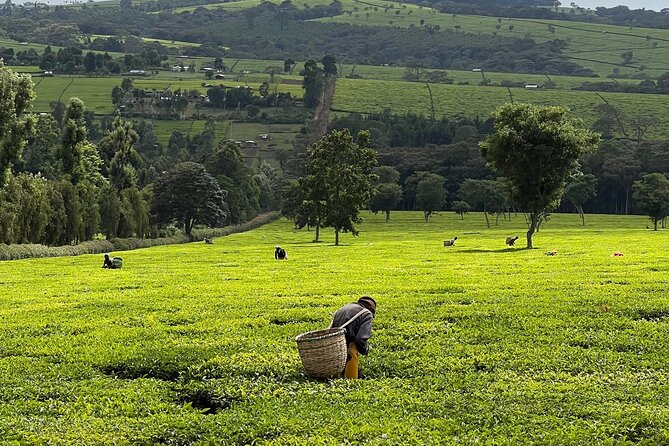
- Meet the people doing the plucking: see the precision and stamina up close
- Tea factory visit in Nandi County: learn how leaves become a finished product at one of the 19 factories
- Nandi Hills added in the same day: a distinct highland setting alongside the tea process
- Private, comfort-first setup: you get transport and lunch included, just for your group
Morning Start at Swiss Side ItenFriends Bar: 5–9 AM, then you’re rolling
Most tea days in the Highlands feel better when you get moving while the morning air is still fresh. This one starts at the Swiss Side ItenFriends Bar in Iten, and the operating window runs Monday through Sunday from 5:00 AM to 9:00 AM. Practically, that means you’ll want to be ready early so the visit to the farm and tea activities don’t feel rushed.
You’re also not traveling on your own between stops. Private transportation is included, which matters on a day like this. Ten hours sounds manageable until you picture scattered farm points plus a factory visit plus Nandi Hills in the mix. Having a single pickup-and-drop structure helps you focus on learning instead of logistics.
One more good detail: it’s private, meaning only your group participates. If you like asking questions (and you should), this setup makes it easier to get direct answers rather than waiting your turn.
Harvest 101 in the Highlands: how plucking sets the quality
The morning begins with an explanation of tea harvesting. That may sound basic, but it’s actually the foundation for everything you’ll see later. You’ll learn how harvest is done before you’re asked to watch the process like it’s a show. It’s more like a “why this matters” lesson.
Then you’ll move into seeing the work itself, where repetition is the point. Tea plucking is repetitive by nature, but the day highlights that it’s also skill-driven. You’re not just watching people pick leaves. You’re observing proficiency—how they keep pace, how they handle the task, and how resilience shows up when the work has to be done correctly, again and again.
If you enjoy food and drink tourism, this is where the day starts to feel real. Tea doesn’t come from one magic moment. It starts with how the right leaves get gathered, and that choice influences what the finished cup can become.
Practical tip: If you get sensitive to early starts, plan a light night before. This tour is designed around morning field time.
Weighing and modernized handling: the quiet step that matters
After the harvesting explanation, the day includes weighing of the tea. The workshop notes that this weighing has been modernized, and that’s an important concept to carry with you. Weighing isn’t glamorous, but it’s part of consistency. It’s how producers track quantities and keep the workflow moving from field to processing.
You’ll likely notice the contrast: field work is physical and steady, while weighing is more controlled and measured. That transition is where a lot of visitors start to understand the tea supply chain. The tour’s structure pushes you to connect each step, not treat them as separate attractions.
This is also a great moment to ask questions about why systems change over time. Even if you’re not a tea expert, the idea is simple: better handling can mean better outcomes later, because quality can be preserved and process standards can be maintained.
Meeting the tea pluckers: seeing stamina and precision up close
One of the strongest parts of this workshop is the meeting with tea pluckers. The day is designed so you can see their proficiency and resilience in action. That matters because tea plucking isn’t a casual activity you can copy in ten minutes. It’s skilled, and it depends on tempo, attention, and physical endurance.
You’ll come away with a more human view of what’s behind your cup. Instead of thinking tea is just a product, you’ll understand it as work—serious work—that has to be done carefully for the whole system to work.
If you’re worried this might feel staged, focus on how the tour is presented: it’s part of a full production day, not a quick photo-stop. That makes it easier to treat the meeting as learning, not just entertainment.
Also, because it’s private, you’re more likely to get context. You can ask follow-ups about what they do, what they pay attention to, and what makes the work successful.
Lunch at the cottage in the shade: reset before the factory
After the morning’s farm-focused section, you head back to a cottage for lunch. A proper lunch break is more than comfort on a long day like this—it’s timing. Tea processing is often dependent on freshness and workflow, so the day has a natural rhythm: harvest and early steps, then a break, then production.
What I like about including lunch here is that you’re not sent off to hunt for food while the rest of the group is moving on. Lunch being included removes that stress, and it keeps you in the same day-flow instead of interrupting it.
This is also a moment to slow down and take in the tea plantation setting. One review described memorable mornings and afternoons in the shade of tea trees. Even if you don’t quote it back later, that’s the feeling you’ll be looking for: quiet, green, and grounded after a busy morning of explanations and observations.
Tea factory visit in Nandi County: from leaf to finished product
The afternoon includes a visit to one of the 19 tea factories in Nandi County. That’s a key detail: you’re not seeing tea “in general.” You’re seeing production in a real factory environment, where the harvested leaves are transformed into finished tea.
This part of the day is valuable because factories show you the conversion phase. If the morning explains harvesting and handling, the factory visit answers the next question: what happens after the leaves leave the field? You’ll discover the process of production from leaf to finished product, and the experience ends with tea tasting.
A factory tour also helps you connect what you learned earlier. When you understand that weighing and handling come before processing, the factory section feels less like a separate tour and more like the logical next chapter.
What to expect emotionally: factory visits can feel technical, especially if you’re not used to production lines. The workshop format helps because you’ve already had the storyline built for you in the morning.
Nandi Hills plus tea tasting: turning facts into a cup you can judge
The day closes with tea tasting, and that’s the part I recommend paying attention to. Facts are great, but tasting is where your brain links process to flavor. You’ll have a chance to experience how the production you saw connects to what ends up in a cup.
Nandi Hills is included as part of the overall experience. Even when your focus is tea, the setting matters. One review described serene conditions and natural beauty, and the overall tone of the day is designed to balance learning with a calm highland feel. You’re not only dealing with equipment and procedures; you’re also in a distinctive region of Kenya known for its highland atmosphere.
When you taste, try to be present with it. Notice the difference between what you expected and what you’re served. Then connect it back to what you saw: harvest timing, weighing/handling, and factory processing.
If you’re a chai or Kenyan tea fan, this closing step can feel like the payoff of the entire day. You’re not just buying tea to take home; you’re understanding how it gets made first.
Price and value for a 10-hour private tea day
The price is $137.46 per person for about 10 hours. For some people, that number can look high until you map what’s actually included and how a tea production day is normally hard to stitch together on your own.
Here’s what you get for that cost, as described for the experience:
- private transportation
- all fees and taxes
- a farm visit
- lunch
- a tea factory visit
That combination is the real value. Tea production days often require multiple separate arrangements—vehicle, entry, meals, and timing so the factory visit actually lines up with production flow. Doing it privately and with fees/taxes handled means you’re paying for time saved and friction reduced.
Also, the experience is described as actually the only workshop for tea production in the Highlands. Even if you never cared about that distinction, it signals that the day is structured around production steps (not only a plantation walk). In practice, that means you get more “how it works” than “here’s something to see.”
My advice: if you already enjoy food, drink, or hands-on learning, you’ll likely feel the price was fair. If you’re only looking for a short photo outing, this may feel like more day than you want.
Who this fits best (and who might want something else)
I’d steer you toward this workshop if you want a day that’s both instructional and sensory. It’s ideal for:
- people who like seeing how a product is made
- tea lovers who want to understand production steps (harvest to factory to tasting)
- travelers who enjoy meeting workers and learning from the process side, not just the viewpoint side
- families or groups who prefer a private structure with lunch and transport included
It might be less ideal if:
- you hate early starts (the schedule runs from 5:00 AM up to 9:00 AM)
- you don’t want a full, day-long program (it’s about 10 hours)
- you’re hoping for a purely scenic nature day with minimal talking
Should you book the Agro-Tourism Tea Workshop in Nandi Hills?
If you want tea tourism with real production steps, I think this is worth booking. You’ll get the rare combo of farm explanation, weighing and handling, a meeting with tea pluckers, a factory visit, and tea tasting, all in one day. The private transport and included lunch also make it feel doable, not like an exhausting DIY project.
Before you decide, be honest about your patience for mornings and the length of the day. If you’re fine with early time and you like learning, you’ll come away with a stronger appreciation for what’s behind every cup of tea.
If weather turns poor, the experience notes it needs good weather, so you should expect flexibility if conditions interfere.
FAQ
What is the duration of the Agro-Tourism Tea Workshop in Nandi Hills?
The tour lasts about 10 hours.
Where does the tour start and end?
It starts at the Swiss Side ItenFriends Bar in Iten, Kenya, and ends back at the same meeting point.
What time does the workshop run?
It runs daily with a start-time window from 5:00 AM to 9:00 AM.
Is this a private tour?
Yes. It’s a private tour/activity where only your group participates.
What’s included in the price?
Included are private transportation, all fees and taxes, a visit of the farm, lunch, and a visit of a tea factory.
Is tea tasting part of the experience?
Yes. The day ends with a tea tasting.
What is the cancellation policy?
You can cancel for free up to 24 hours in advance of the experience for a full refund. If you cancel less than 24 hours before the start time, no refund is provided.