REVIEW · ONNA
Tea Ceremony experience with simple kimono in Okinawa
Book on GetYourGuide →Operated by SASAGIRIAN OKINAWA · Bookable on GetYourGuide
The small entrance to the tea room sets the tone fast. You’ll step into a real tea setting in Okinawa, learn the flow of the ritual, and taste both Okinawan and Japanese sweets along with matcha. I like the hands-on matcha making, and I really value how the instructor keeps it clear and professional. One possible drawback: the ceremony is at a traditional setup, so it’s not ideal if you need wheelchair access.
You’ll also get a smooth sense of Japanese etiquette without feeling put on the spot. The experience is paced for a small group (up to 6), and the English support helps you follow what’s happening as you handle the tools. That said, it can feel formal if you’re expecting a casual food tour only.
In This Review
- Key things to know before you go
- Matcha, Manners, and a Small Door Into the Tea Room
- What You Wear: Simple Kimono and Photo-Ready Details
- The Step-by-Step Tea Ceremony Flow You’ll Follow
- Sweets Before Bitter Tea: The Okinawan and Japanese Tasting
- Tool Manners: How You Handle the Cloth and Cleanse Utensils
- Making Your Own Matcha at the Ryurei Table
- Timing, Group Size, and English Support That Keeps It Comfortable
- Price and Value: What $83 Actually Covers in Okinawa
- Who Should Book This Tea Ceremony (and Who Might Not)
- Should You Book This Okinawa Tea Ceremony?
- FAQ
- What is included in the tea ceremony price?
- How long does the experience last?
- What language is the instruction offered in?
- Is this a private experience?
- What is the minimum number of people for the session?
- Do I get to make and taste matcha?
- Is photography included?
- Are there any age or accessibility limits?
- When should I book, and how flexible is cancellation?
Key things to know before you go
- Small-group tea training (up to 6): more attention, fewer long waits.
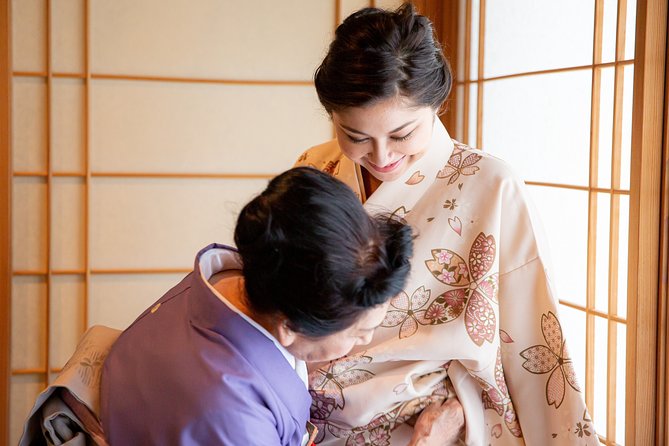
- Simple kimono rental included: you’re dressed for the ritual, not just watching it.
- Sweets then tea: Okinawan and Japanese sweets come first, then the bitter matcha.
- Tool manners matter: you’ll learn how to cleanse and handle utensils properly.
- English and Japanese instruction: instructor support is available for both languages.
- Photo moment + origami crane souvenir: you finish with keepsakes, not just photos on your phone.
Matcha, Manners, and a Small Door Into the Tea Room
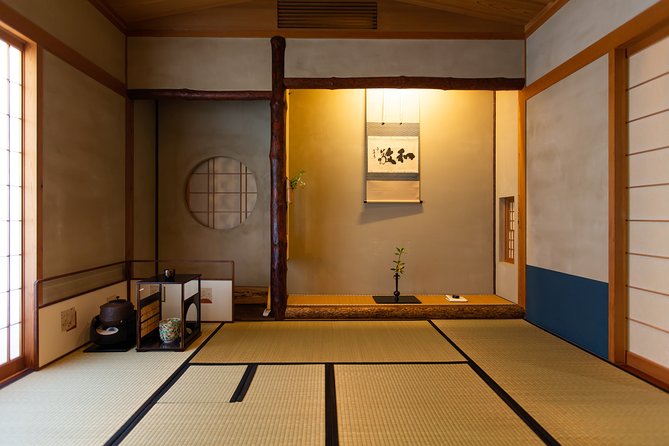
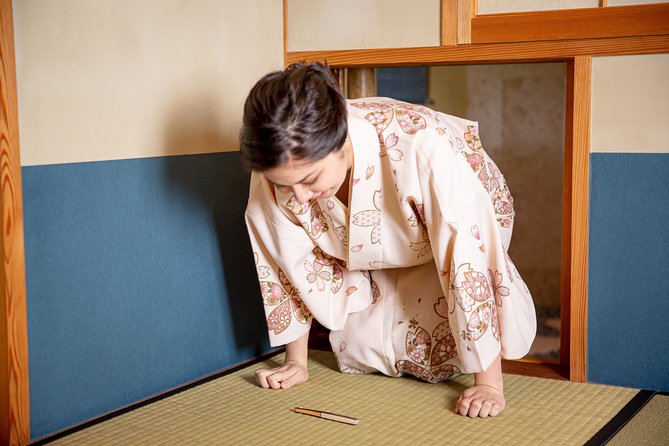
If you’ve only seen tea ceremonies on TV, this one gives you the practical version: where to stand, how to enter, what to look at, and why. The ceremony takes place in a traditional tea room, and the guide focuses on the details most visitors miss—like the tiny entrance you step through as part of the experience. It’s a subtle moment, but it immediately tells you this isn’t a performance. It’s a lived ritual.
I particularly like how structured it is. You don’t just taste matcha; you’re taught the etiquette that comes before tasting. And because the group is limited to 6, the instructor can correct small movements and keep the pace comfortable.
One more note: the tea room environment is traditional. That means the setup can feel snug and ceremonial—great for atmosphere, not great if you prefer lots of personal space or you’re traveling with mobility limitations.
What You Wear: Simple Kimono and Photo-Ready Details
You start with the kimono, and you’ll stay in it through the main ceremony. The rental fee is included, so you’re not scrambling to find clothing on your own. The kimono also changes how you move. That’s part of the point. You’ll notice how the guide expects you to sit and handle yourself once you’re dressed for the setting.
The experience includes photography, including photos in front of a gold folding screen. This matters more than it sounds. Instead of hoping you find someone to take a decent shot, the setup is planned. You’ll also get an origami crane souvenir at the end, which gives you something small and meaningful to take home.
Practical tip for your enjoyment: wear comfortable footwear before the kimono. You’ll be changing into the outfit early on, and you don’t want to spend the start of your session thinking about blisters.
The Step-by-Step Tea Ceremony Flow You’ll Follow
This ceremony has a clear rhythm, and that’s what makes it feel satisfying rather than confusing.
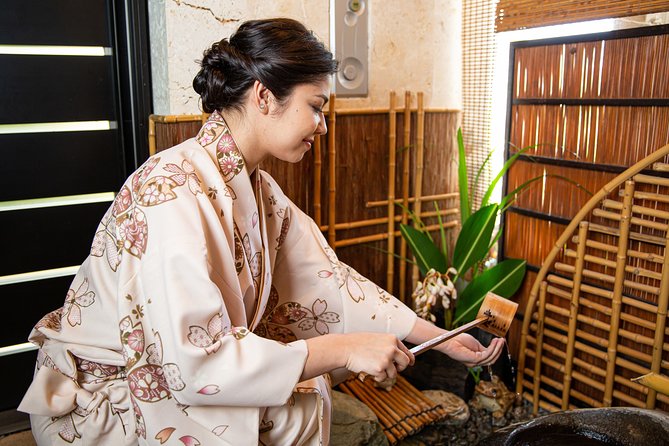
First, you change into a simple kimono. Next comes hand cleansing, which is part of the tea-room mindset: you’re preparing your body and attention. Then you’ll enter the tea room and learn how to behave once you’re inside.
You’ll be guided through what to appreciate in the room—things like the hanging scroll, the flowers, and the tea tools. The guide explains these elements so you know what you’re looking at, instead of just snapping photos and hoping it makes sense later.
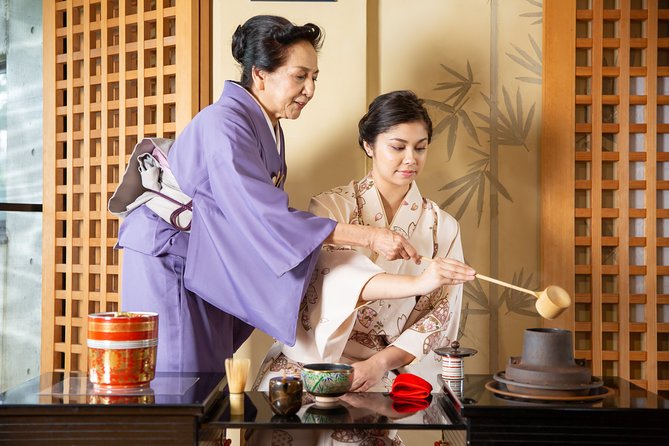
After that, you move to the room with a Ryurei-style setup: tables and chairs for the tea ceremony. This is an important detail for comfort. You still follow tea etiquette, but you’re not forced into an extreme floor sitting position the whole time.
Then the tasting part begins, and later you learn how to handle the silk cloth and cleanse the tea tools. Finally, you make matcha yourself and taste the result. It’s a full loop: learn, watch, participate, then reflect.
Sweets Before Bitter Tea: The Okinawan and Japanese Tasting
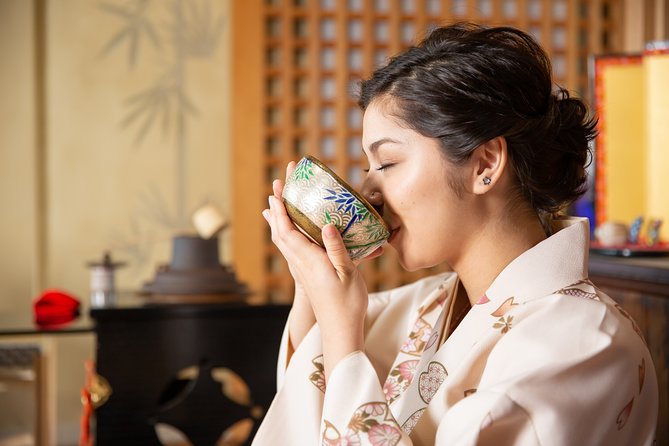
The tasting flow is part of the design. You’ll enjoy Okinawan and Japanese sweets before you drink the tea. That order helps you appreciate the contrast: the sweetness softens the taste so the later matcha feels intentional, not harsh.
You’ll first taste the sweets, then you’ll move to the bitter tea. The guide teaches you how to handle the moment respectfully, not just how to sip. That’s where the experience becomes cultural instead of purely culinary.
If you’re worried about matcha being too strong, this is the built-in solution. Sweet first means you can enjoy the tea as a flavor experience, not as a punishment for ordering something green. Also, since the group size is small, the instructor can help you get through the tasting steps at your pace.
Tool Manners: How You Handle the Cloth and Cleanse Utensils
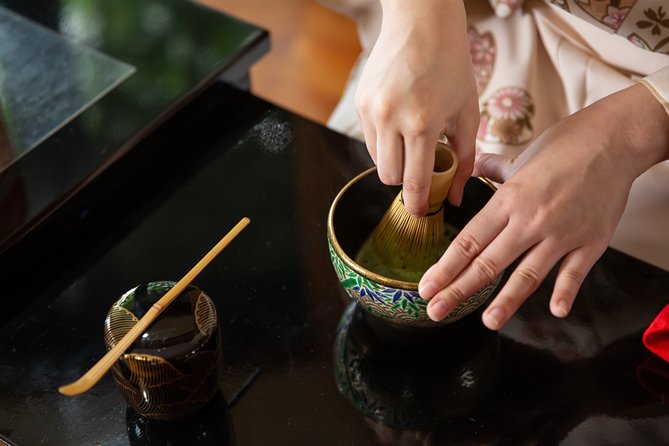
One of the most praised parts of this experience is how professional and detailed the instruction feels. That shows up in the tea tools part. You’ll learn how to handle the silk cloth and how to cleanse the tea tools, which is a key part of tea culture that many tourists skip.
Why it matters: the tea ceremony isn’t only about the drink. It’s about care—how you treat objects that carry meaning. When you learn the basic ritual of cleansing and respectful handling, the whole experience connects. You stop seeing matcha as a beverage and start seeing it as part of a process.
From a practical standpoint, tool-handling is also where an English-speaking guest benefits most from having an instructor and support. You’re doing fine-motor actions while learning the etiquette language in real time. Clear guidance makes it easier to participate confidently.
Making Your Own Matcha at the Ryurei Table
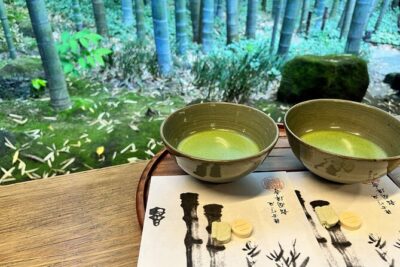
This is the payoff moment. You’ll add matcha green tea and hot water to the tea bowl, then make your own tea and taste it.
Even if you’ve tried matcha at cafés, don’t assume it will feel the same. In this ceremony, your actions have a sequence: how the tea is prepared, how you participate in the ritual, and how you taste afterward.
I like that the experience doesn’t leave you with only watching. You’re hands-on, under watchful guidance. That’s also why the small group matters. With up to 6 participants, the instructor can check what you’re doing so you finish with a tea you understand—not just one you tried to make.
A good way to get more out of this step: slow down during the making. The best part isn’t speed. It’s noticing how your steps match the explanation the guide gave earlier.
Timing, Group Size, and English Support That Keeps It Comfortable
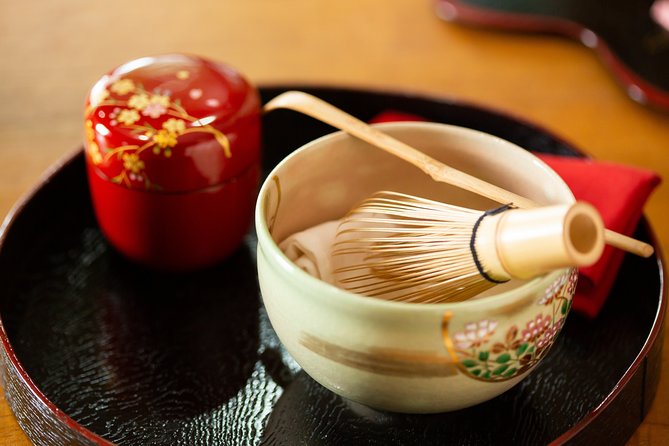
The ceremony experience runs about 90 minutes total. The ceremony itself is listed around 75 minutes, which gives you a realistic sense of how much time you’ll spend actively in the ritual.
You’ll work with an instructor who supports English and Japanese. The experience is designed for people who want explanation, not silence. Reviews also point to a professional translator and tea master style instruction, with a relaxed atmosphere and lots of smiles—exactly what you want when you’re learning a formal tradition.
Group size is limited to 6. That’s a big deal for learning. It means you’re not lost in a crowd, and you’re more likely to get quick corrections if your hands or posture need adjustment.
One practical consideration: check the starting times available for your day. Duration depends on the session schedule, so it’s worth planning around the time you choose.
Price and Value: What $83 Actually Covers in Okinawa
At $83 per person, this doesn’t look like a cheap add-on. But it’s not just a tea tasting either. You’re paying for the full package: kimono rental, tool-use fees, instruction, Okinawan and Japanese sweets, matcha, photography, and an origami crane souvenir.
Here’s the value logic from a traveler’s point of view:
- If you only paid for matcha and sweets, you’d still spend money locally for the food.
- If you only paid for a kimono rental, you wouldn’t automatically get the etiquette lesson, tool cleansing guidance, and hands-on matcha making.
- If you hired someone to photograph you in a traditional tea setting, that cost alone would add up quickly.
So the price makes sense because you’re buying expertise plus experience materials plus a planned cultural setting. And the small-group size helps keep the instruction quality high.
If you’re trying to pick one “culture class” activity in Okinawa, this is a strong contender because it’s active, structured, and ends with tangible keepsakes.
Who Should Book This Tea Ceremony (and Who Might Not)
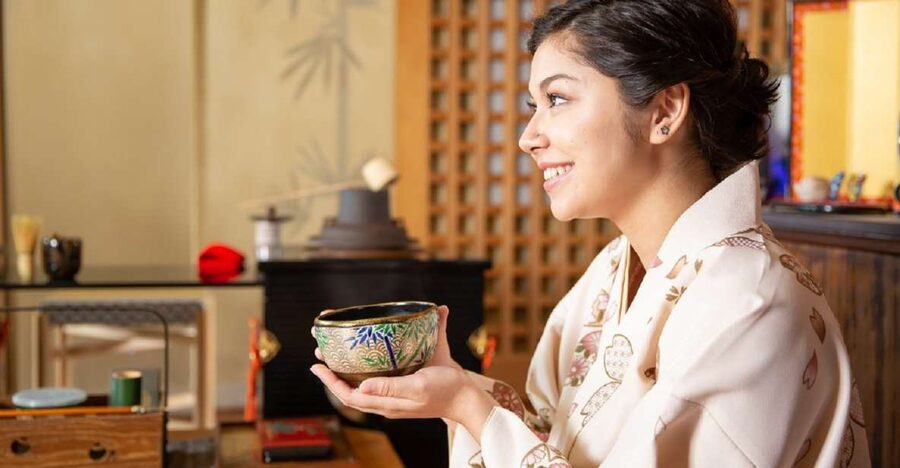
This tea ceremony is a great fit if you want an authentic cultural activity you can participate in. It’s especially appealing if:
- you like learning through doing, not just watching
- you want a guided way to understand Japanese manners
- you enjoy food contrast (sweet treats then bitter tea)
- you want a kimono experience that’s built around etiquette, not just a photo op
It may not be the best match if:
- you need wheelchair access (it’s not suitable for wheelchair users)
- you’re traveling with children under 3
- you dislike structured, formal environments
Also, because you’ll be changing cloths during the experience, plan to arrive with a calm headspace. This runs best when you’re not rushing.
Should You Book This Okinawa Tea Ceremony?
If you want more than a drink and a few snapshots, I’d book it. This is one of those activities where the learning is the souvenir: the steps you perform, the manners you practice, and the way the instructor ties together the room, the tools, the sweets, and the matcha.
It’s also well suited to first-time tea learners. The instructions are professional, and the English support helps you follow what’s happening as you go. You’ll leave with photos taken in a planned spot, plus an origami crane.
If you’re on the fence because of the price, treat it like a cultural class with included clothing, tasting, and photography—rather than a casual café stop.
FAQ
What is included in the tea ceremony price?
The price includes a simple kimono rental fee, tools use fee, instruction fee, Okinawan and Japanese sweets, matcha green tea, photography, and an origami crane souvenir.
How long does the experience last?
The experience is listed as about 90 minutes overall, with the ceremony duration around 75 minutes.
What language is the instruction offered in?
The instructor provides instruction in English and Japanese.
Is this a private experience?
No. It’s a small group experience limited to a maximum of 6 participants.
What is the minimum number of people for the session?
The session requires a minimum of 2 people.
Do I get to make and taste matcha?
Yes. You’ll learn how to prepare your own matcha and then enjoy tasting the tea you made.
Is photography included?
Yes. Photography is included, including photos in front of the gold folding screen.
Are there any age or accessibility limits?
It is not suitable for wheelchair users. Children under 3 years old are not suitable.
When should I book, and how flexible is cancellation?
You need to reserve at least 3 days before your desired date. Cancellation is free up to 24 hours in advance for a full refund.