REVIEW · GERTWILLER
Alsatian Immersive Wine Tour, Wine Tasting & wine/tea time
Book on GetYourGuide →Operated by Vins Zeyssolff - Au Péché Vigneron · Bookable on GetYourGuide
A barrel-projection show in the heart of Alsace. This 2-hour experience in Gertwiller pairs a classic cellar visit with a 180° video projected on oak barrels, plus a very friendly wine time snack break. I especially like the way it turns something technical into something easy to follow, including for children.
My other favorite part is the commented tasting of 5 Alsace wines, where you learn how to taste without feeling tested. The main thing to consider: this is mostly cellar + tasting + tearoom, so if you want a long walk through vineyards, plan something else for the same day.
In This Review
- Key highlights you’ll actually feel
- Entering the cellar show: the 180° barrel video in Gertwiller
- What makes the cellar visit more than a quick walk
- The wine tasting: 5 Alsace wines with commentary that keeps you oriented
- Wine time (tea-time style), with sweet and salty bites that actually pair well
- How the full 2 hours likely feels in real time
- Who this tour fits best (and who should pair it with something else)
- Price and value: what $46 buys you in practice
- A few booking notes that prevent common headaches
- Should you book this Alsatian Wine Tour?
- FAQ
- FAQ
- How long is the Alsatian Immersive Wine Tour?
- What’s included in the price?
- What does Wine time include?
- Is this tour family-friendly for children?
- What languages are available?
- Where is the meeting point?
Key highlights you’ll actually feel
- 180° immersive video mapped on century-old barrels inside the cellar, with sound and storytelling
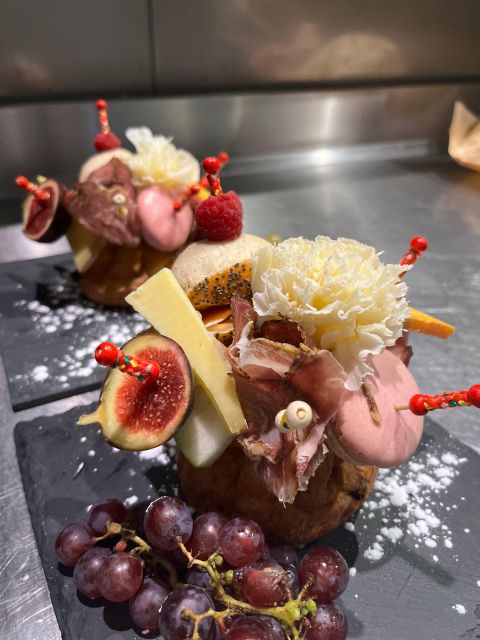
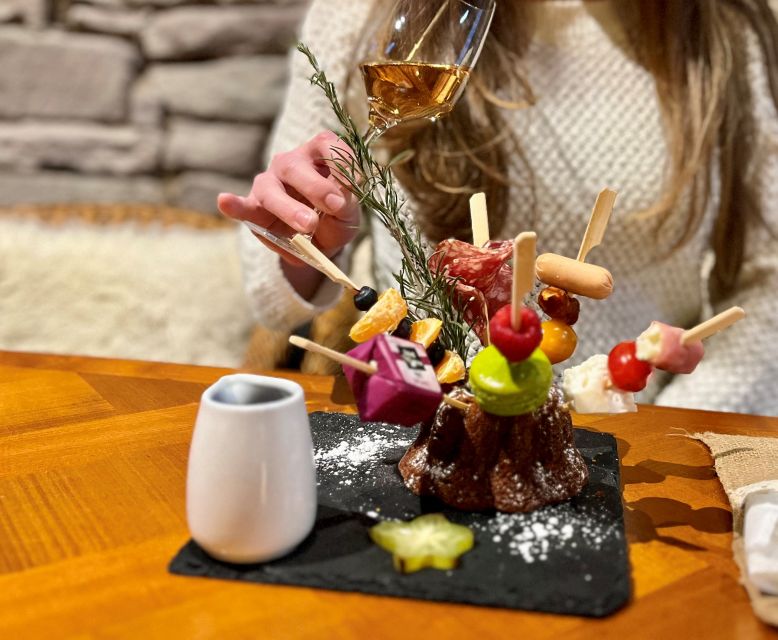
- Wine time like tea time, with sweet and salty bites such as cheese, deli meats, macarons, gingerbread, and fruit coulis
- Family winery since 1778, including a barrel made for the Universal Exhibition of 1900
- Children welcome, and the experience includes child-friendly explanations (plus snack choice on site)
- Commented tasting of 5 Alsace wines, guided so you know what you’re tasting and why
Entering the cellar show: the 180° barrel video in Gertwiller
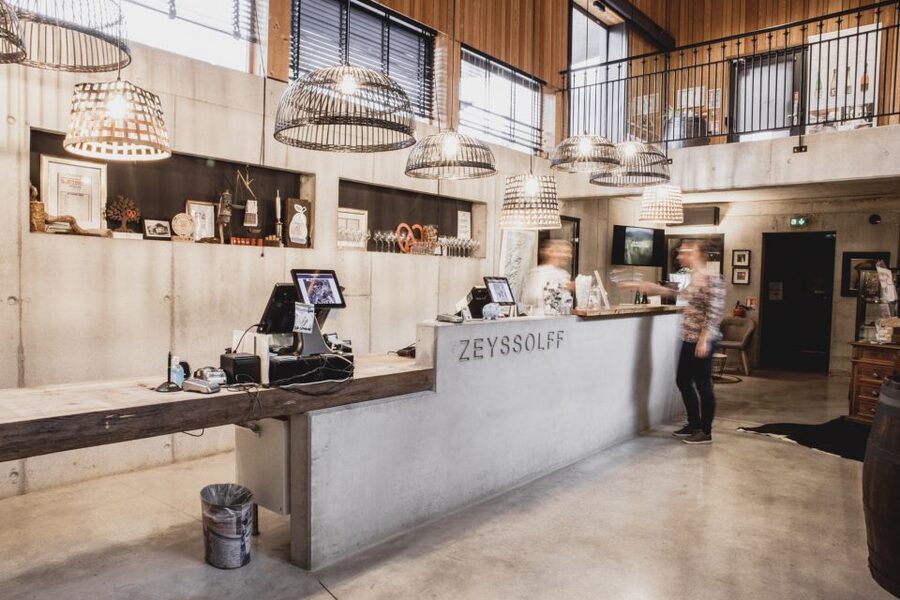
The tour starts at Au Péché Vigneron in Gertwiller, at the Zeyssolff winery. You’ll meet at the shop entrance, tucked into a small wooden cube between two houses across the street from the big parking lot, which makes it simple to find even if you’re arriving by car.
From there, you’re welcomed with a glass of wine to begin. It sets the pace: you’re not rushing into a lecture. You’re starting gently, and you’ll keep that drink in your hand while the story gets going.
Then comes the main event: a scenographic cellar experience with a film projected across oak barrels at 180°. This isn’t a small screen you glance at. The projection runs over the barrels, with mapping on some sequences and designed sound work meant to pull your attention around the room. For me, the value here is practical. You leave with a visual model of how Alsace winemaking fits together, not just a list of facts.
A neat detail that matters if you’re traveling with kids: the video is adapted for children. So you’re not forced to sit through explanations that only work for adults. It also helps if you’re the kind of traveler who remembers things better when they’re shown, not just spoken.
What makes the cellar visit more than a quick walk
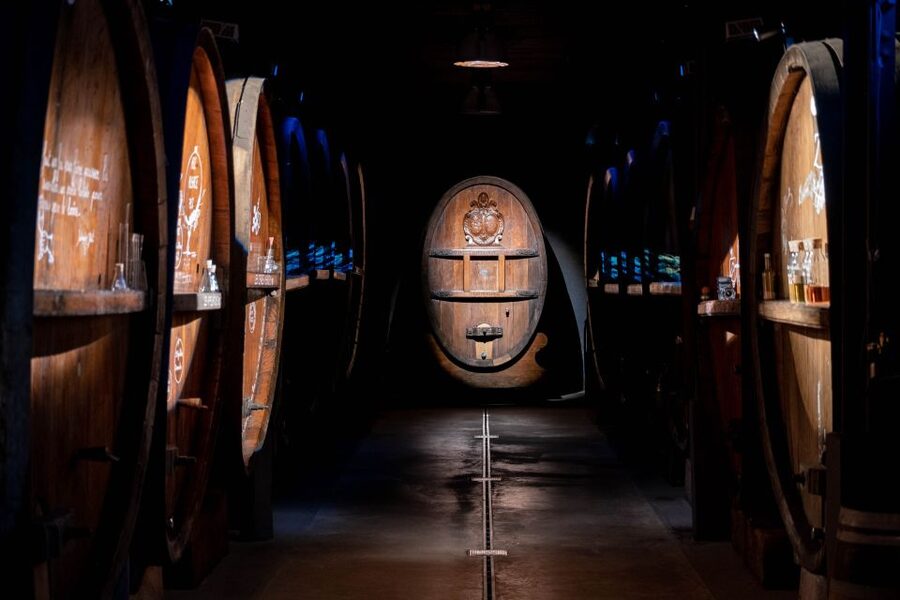
After the welcome drink, the guide introduces the Alsace wine-making process in a way that works for mixed ages. From there, you tour a family cellar that dates back to 1850, where you’ll see the structures and barrels that still play a role in how wine is made today.
The tour focuses on the physical craft. You’ll get to discover century-old oak barrels and how they connect to the winery’s continuity over generations. If you like seeing material evidence—wood types, aging vessels, the logic of cellar work—this portion feels grounded rather than showy.
One of the most interesting stops is the mention of a barrel made for the Universal Exhibition of 1900. That’s the kind of detail that turns a winery into a place with a thread across time. Even if you’re not a history buff, it helps you understand why some wineries protect their equipment and traditions instead of replacing everything for the sake of novelty.
There’s also a modern layer. The winery converted its estate to organic in 2020 and renovated the cellar afterward. As part of that change, they built the current cellar activity space that hosts the barrel-projection video. So you get old craft plus newer values, without the story feeling like one side is pretending the other doesn’t exist.
The wine tasting: 5 Alsace wines with commentary that keeps you oriented
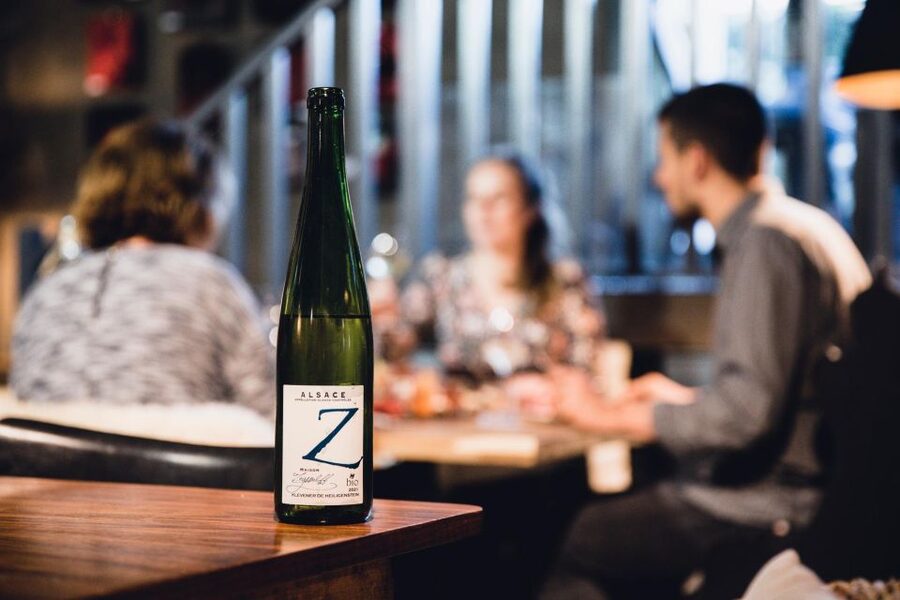
Next is the tasting, and it’s not just a pour-and-go situation. You’ll get a commented tasting of 5 Alsace wines, meaning the guide talks through what you’re tasting and what to notice.
Alsace wine can feel overwhelming at first because there are many styles and grape choices, plus differences in sweetness and dryness. The tasting structure helps because you experience those differences side by side, rather than learning them in isolation.
A good sign here is how the guides respond to questions. In past tours, you can end up with a guide who keeps conversation flowing and answers more after the official timing, like Marie and Marthe who came up in different experiences. If you want a friendly explanation—especially if you’re not fluent in wine jargon—this is the part of the tour that delivers.
One practical tip: pace yourself between pours. Five wines in one sitting can be easy to rush, especially if you’re new to tasting. Take a moment before each sip to notice color and aroma, and don’t try to identify every detail. Your goal is to understand the basic profile changes across the set.
Wine time (tea-time style), with sweet and salty bites that actually pair well
After the cellar and tasting, you move into the tearoom for Wine time—the description says it like tea time, but with wine. That’s a simple way to say: it’s a relaxed food break, not a formal meal.
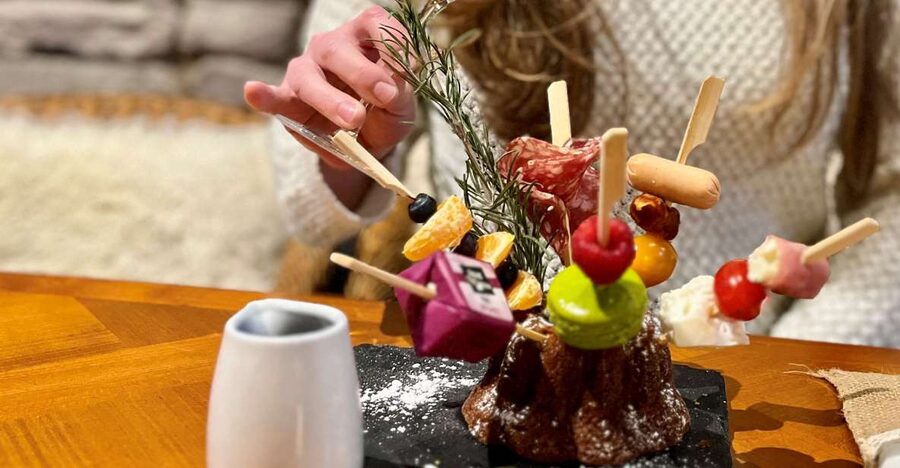
You’ll find a mix of sweet and salty delicacies, including items like cheese, deli meats, macaron, gingerbread, fruit, chocolate coulis, and fruit coulis. This spread matters because Alsace tastings work best when you have both contrast and balance. Salty bites can keep a sweeter wine from feeling cloying, and sweets help you reset your palate before the next thought about flavor.
I also like that the food feels designed for variety. Even if you don’t eat everything, you still get enough texture and flavor changes to make the tasting experience stick.
If you’re traveling with kids, this portion is a big deal. Children are welcome, and they can choose a snack directly on site. That reduces stress for parents because you’re not stuck hunting for a separate kid option outside the venue.
How the full 2 hours likely feels in real time
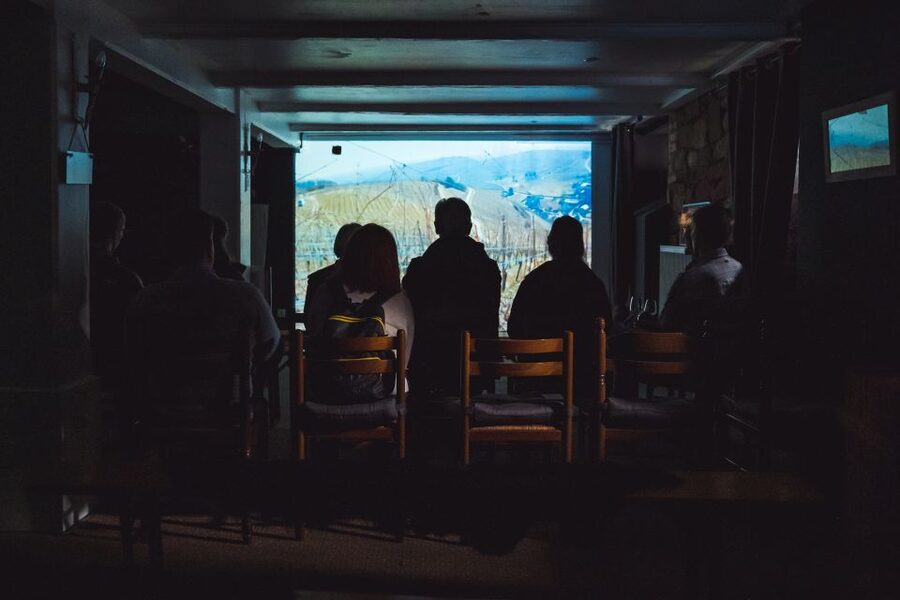
The tour duration is listed as 2 hours, so it runs with a clear rhythm. You’ll start with the welcome glass, then shift into the video/story portion, followed by the cellar tour and the commented tasting of 5 wines. After that, you transition into the tearoom for the food break.
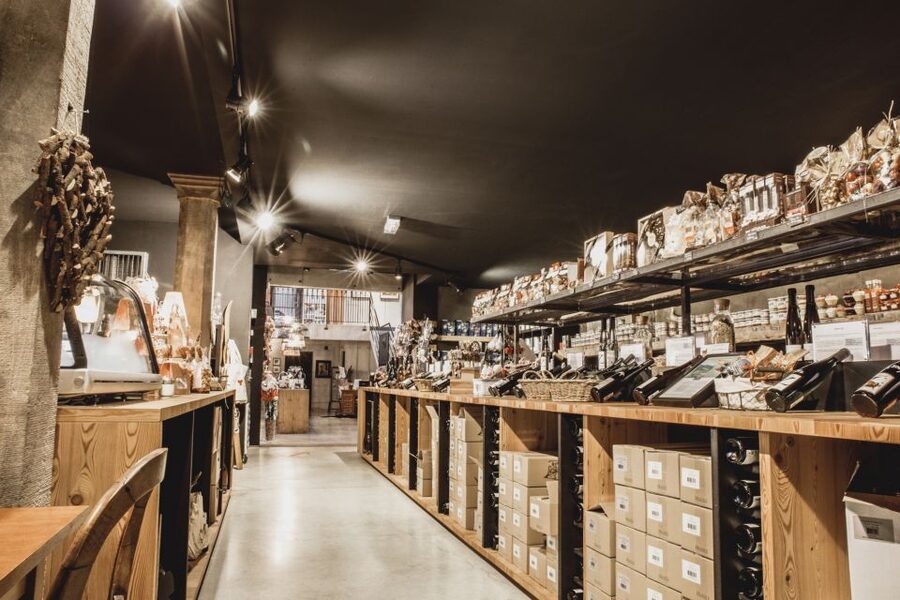
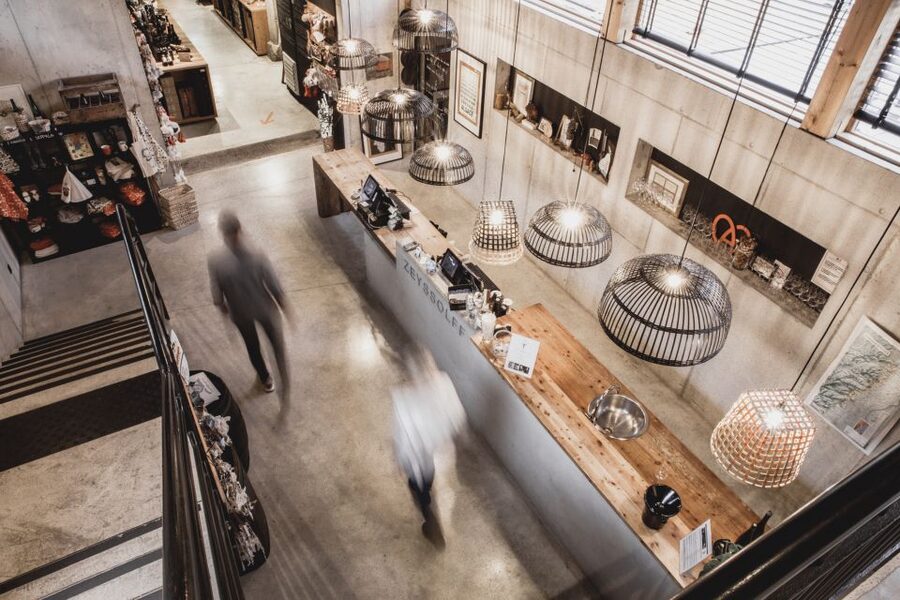
There’s also a shopping moment. The experience includes time for shopping at the winery, in Gertwiller. That’s useful because Alsace is one of those wine regions where the bottle you want might depend on what you liked during tasting, not what you expected beforehand.
If you’re short on planning time, this format is a win. It gives you a complete “see, taste, snack, and leave with bottles if you want” arc without turning the day into an all-afternoon commitment.
Who this tour fits best (and who should pair it with something else)
This experience is best for you if you want a friendly Alsace introduction with a strong sensory component. The barrel-projection video is a big reason to book, especially if you like storytelling or you learn faster when you can visualize a process.
It’s also a great option if you’re traveling with family. The tour explicitly welcomes children, includes child-friendly pacing, and provides snack choice in the tearoom area. You’re not forced into a stiff, adult-only atmosphere.
Where you might reconsider is if your trip goal is mostly outdoors. This tour is concentrated in the cellar and indoor tasting spaces. You’ll likely leave knowing more about winemaking and tasting than you will about walking vineyards, hiking views, or dramatic exterior landscapes.
If you want both, plan the tour as your “wine education” stop, then add an outdoor afternoon nearby.
Price and value: what $46 buys you in practice
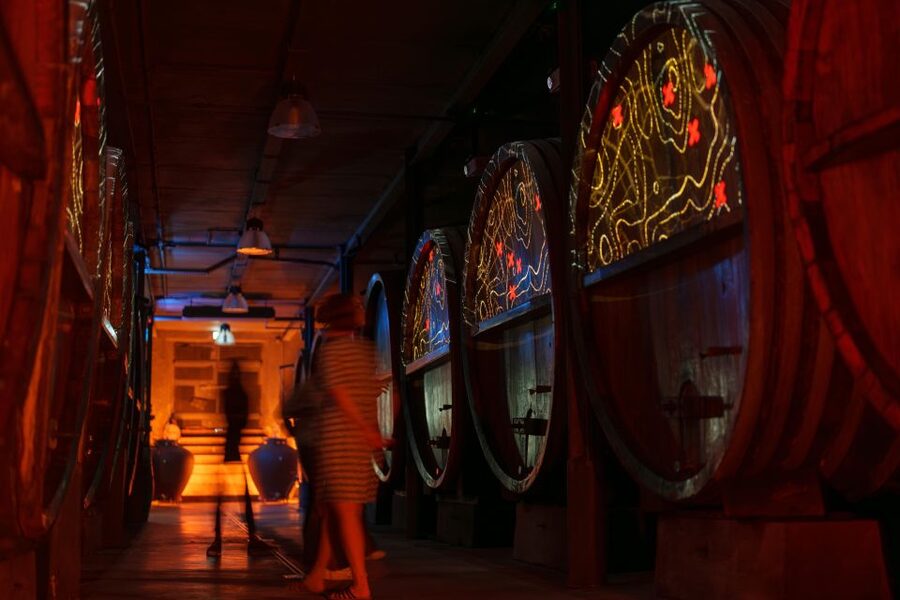
At $46 per person for about 2 hours, you’re paying for a structured experience: cellar visit, a guided tasting of 5 Alsace wines, a 180° barrel-projected film show, and a full snack spread of sweet and salty bites.
That’s a lot bundled together. Many tours split the experience into separate parts, like a tasting with no production, or a museum-like activity with no wine education. Here, the value is the pacing: you taste, then you’re shown how the process connects, then you eat in a way that helps the flavors make sense.
There’s also a quality signal in the venue design. Renovating the cellar after the organic conversion and building the projection experience takes real investment. In other words, this doesn’t feel like a last-minute add-on; it’s part of the winery’s current visitor offer.
A few booking notes that prevent common headaches
The activity is offered with a live guide in French and English, and you should pay attention when reserving by language. That matters because the tour includes guided commentary and question time, and you’ll get the most from it when your guide is working in your strongest language.
Also note the children policy: children are welcome, but you cannot register children in the standard way. Instead, children can choose a snack directly during the visit. If you’re planning for multiple kids, it’s worth thinking about timing and snack choice ahead of arrival so everyone settles quickly.
Should you book this Alsatian Wine Tour?
Book it if you want an Alsace experience that mixes wine education with a real sensory show. The 180° barrel projection is the kind of detail you’ll remember, and the 5-wine commented tasting gives you something useful you can bring into future bottles you buy or try. The wine-time snack break adds comfort and pacing, and it works well for both adults and families.
Skip it or pair it with something else if your priority is mostly vineyard scenery or outdoor hiking. This is an indoor cellar story, built around tasting and explanation, with a smart shopping finale in the winery shop.
If you’re curious about Alsace wines and you like hands-on flavor learning, this one is a strong value for a couple of focused hours in Gertwiller.
FAQ
FAQ
How long is the Alsatian Immersive Wine Tour?
The tour lasts about 2 hours.
What’s included in the price?
You get a cellar visit, a video about the winemaker’s work, the 180° barrel-projection experience, a commented tasting of 5 Alsace wines, and sweet and salty delicacies.
What does Wine time include?
Wine time is like a tea time around wine, with both sweet and salty items such as cheese, delicatessen, macaron, gingerbread, fruit, chocolate coulis, and fruit coulis.
Is this tour family-friendly for children?
Yes. Children are welcome. The tour also includes child-friendly explanations, and children can choose a snack on site. You cannot register children, though.
What languages are available?
The live guide offers tours in French and English.
Where is the meeting point?
You meet at Au Péché Vigneron (Vins fins et Crémants d’Alsace Zeyssolff) in Gertwiller. You can park in the big parking lot, and the shop entrance is across the street in a wooden cube between two houses.