
REVIEW · WELIGAMA
Weligama: Pottery Workshop with Tea and Snacks
Book on GetYourGuide →Operated by DONGA · Bookable on GetYourGuide
Pottery in Weligama beats a shopping stop. You get hands-on time on a potter’s wheel in a real home workshop, plus a clear talk on how pottery works in Sri Lanka. I especially liked the wheel time and the way the tea-and-snacks finish turns the class into a relaxed afternoon.
The main thing to know is this is not a Western studio setup. There’s no glazing or instant firing here, so if you’re expecting to finish and fire your own bowl or mug during the session, you’ll want to adjust your expectations.
In This Review
- Key highlights at a glance
- Why this Weligama pottery workshop feels different than a studio class
- Kumbalgama Railway Station: how the timing works in plain terms
- Inside the potter’s home workshop: what you learn before you touch the wheel
- Getting time on the potter’s wheel (and why it’s harder than it looks)
- The souvenir reality: no glazing or instant kilning during your class
- Tea and local sweetmeats: where the afternoon turns relaxing
- Cost and value: what $40 buys you in real terms
- Practical notes: what to bring and what rules to expect
- Who should book this Weligama pottery workshop—and who might want to skip it
- Should you book this pottery-and-tea experience in Weligama?
- FAQ
- Where is the meeting point for the workshop?
- How long does the pottery workshop last?
- What do I do during the workshop?
- Can I glaze or kiln my own pottery during the class?
- What food and drinks are included?
- Is the workshop wheelchair accessible, and what languages are offered?
Key highlights at a glance

- Wheel-first pottery practice in a traditional potter’s home setting
- Clay prep and firing explained so you understand what happens before/after the wheel
- Tea and local sweetmeats at the end, served as part of the experience
- A takeaway souvenir: a piece made by the master potters
- Kids can join in with paint for mini-pot decoration
- English/French instruction plus a private group feel
Why this Weligama pottery workshop feels different than a studio class
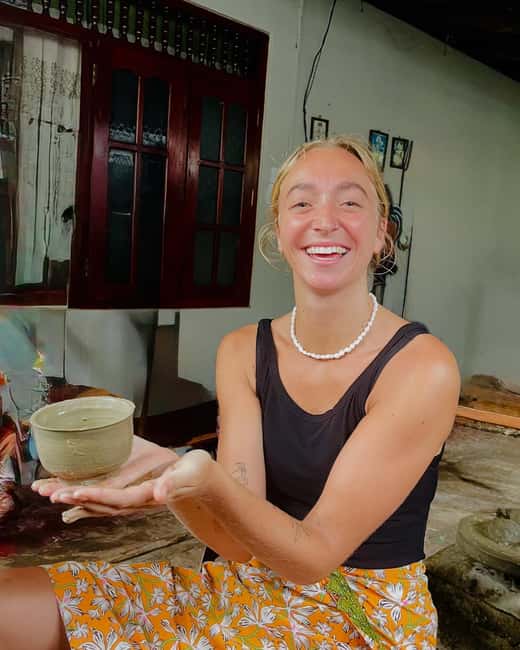
I’ve done pottery classes where the whole day feels like a production line. This one is slower and more human, because you’re learning in the everyday space where pottery is made. That changes everything: you’re not just following steps, you’re watching how the craft fits into real life.
Two things make it especially appealing. First, you do real work on the potter’s wheel, not just a quick demo. Second, you get the story behind the craft—how Sri Lankan potters think about clay preparation, the kiln process, and the steps that come before the final piece exists.
One more practical point: it’s a private group experience, so you’re not squeezed between strangers while you try to learn the basics. If you like hands-on activities where you can ask questions freely, this setup is a good match.
Kumbalgama Railway Station: how the timing works in plain terms
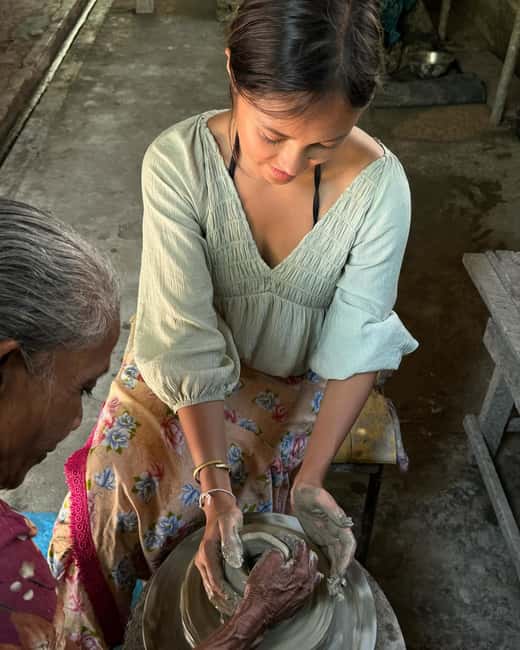
You meet at Kumbalgama Railway Station, where a representative from the host will connect with you. From there, you head to the workshop location in Kotapola, Weligama area, and the schedule stays simple.
Plan for about 2 hours of workshop time, then a 30-minute snacks break with tea and sweetmeats. Finally, you head back to Kumbalgama Railway Station to wrap up. The total time is listed as 2.5 hours, so it’s a nice afternoon activity that doesn’t swallow your whole day.
Because it’s short, it’s also easy to fit alongside beach time in Weligama. Just keep in mind you’ll likely get your hands a bit messy. Wear clothes you don’t mind getting clay dust on them, and skip anything fussy.
Inside the potter’s home workshop: what you learn before you touch the wheel
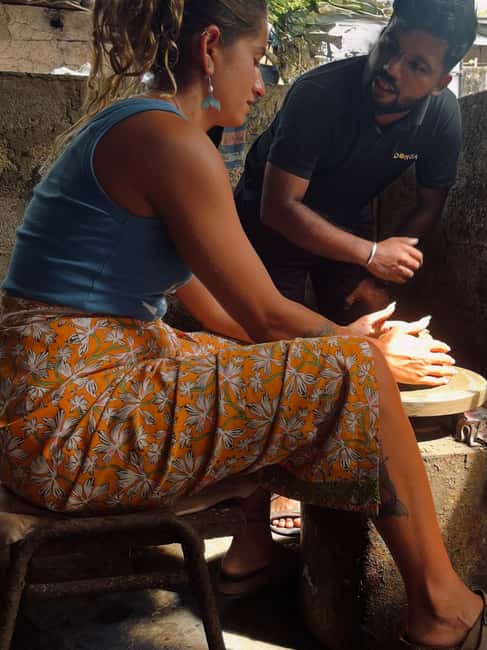
A big part of the value here is that the workshop doesn’t treat pottery as magic. You start with the basics of how clay becomes workable on the wheel. That includes what it means to prepare clay properly so it can be shaped without turning into a cracked mess.
You also get an explanation of the kiln side of the process. Even though your personal piece won’t be finished through on-the-spot firing, understanding the kiln stage helps you see the craft as a full workflow. That’s the kind of context that makes pottery more than a souvenir-making activity.
I also like that the instructors frame pottery as an intergenerational skill. The experience is tied to helping local potters earn a better income and encouraging the next generation to continue the craft. In other words, you’re not just buying an activity. You’re supporting a living workshop tradition.
Getting time on the potter’s wheel (and why it’s harder than it looks)
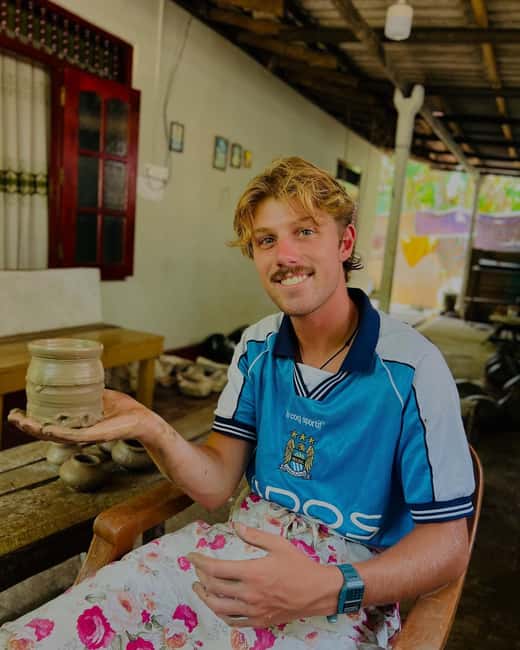
Once clay prep is done, you step onto the potter’s wheel and make your own piece. This is the moment most people come for, and it delivers: you get hands-on practice shaping while learning what works with the wheel’s movement.
Here’s the truth about wheel pottery: the first attempts can feel awkward fast. But you don’t get rushed into a final product mindset. I like that the pace gives you time to feel how clay behaves under your hands.
A practical tip: focus less on making something perfect and more on learning two skills—centering the clay and keeping your hands steady. If you get those right, the rest often starts cooperating.
Also note the workshop environment isn’t a polished Western studio. You’re in a traditional setting, and that’s part of the authenticity. If you prefer squeaky-clean tools and sterile lighting, this might feel rough around the edges. If you prefer real craft, you’ll probably love it.
The souvenir reality: no glazing or instant kilning during your class

This is the key detail to understand ahead of time. The class does not include glazing or instant kilning, so you’re not taking home a finished-from-scratch item made entirely by you during the session.
Instead, you take home a piece made by the master potters. That’s still valuable, because it gives you a real souvenir that’s been completed properly, without asking you to master the entire production chain in 2.5 hours.
Why this matters: if your goal is to leave with a fully finished mug or bowl created end-to-end by your own hands, your expectations may not match the format. But if you want wheel practice plus real craft context, the takeaway souvenir does a good job of completing the experience.
Think of it like this: you learn the making. The masters handle the finishing steps that require firing and finishing expertise. It’s a sensible division of labor that also protects quality.
Tea and local sweetmeats: where the afternoon turns relaxing
After the main workshop, you get tea and local sweetmeats. It’s not just a snack break; it’s a chance to slow down, chat, and absorb the feel of the place.
I like this part because it turns a hands-on activity into something social. You’re sitting with the people running the workshop, and it feels personal rather than transactional. The experience includes a friendly end-of-class moment that makes the whole thing feel like an invitation.
If you travel with kids, you’ll also appreciate that kids are provided paint to decorate mini-pots. That keeps younger hands involved without forcing them into full wheel work.
Dietary details aren’t specified, so if you have strong dietary restrictions, you might want to ask ahead. Still, the tea-and-snacks finish is one of the most consistently praised parts of the experience.
Cost and value: what $40 buys you in real terms
At $40 per person for about 2.5 hours, this is priced like a guided workshop, not like a cheap craft demo. The value comes from a few concrete things bundled together:
- hands-on time on the potter’s wheel
- clay preparation and kiln process explanation
- tea and local sweetmeats
- a takeaway pottery piece from the master potters
- a private group format
When you add those up, you’re paying for instruction and access to a working workshop setup, not just materials. You’re also paying into the local economy that supports the potters and their families.
I also think the price makes sense for the cultural angle. Pottery here isn’t a performance. It’s a craft process, taught by people who’ve been doing it for a long time and continue teaching it through their family line.
Practical notes: what to bring and what rules to expect
This isn’t a place for an alcohol-heavy party vibe. You’ll want to come sober and focused so you can handle clay safely and enjoy the instruction.
The activity rules list a few obvious restrictions (no weapons or sharp objects, no intoxication, no drugs). You’ll also want to follow the clothing guidance (no see-through clothing is mentioned), since it’s a family home setting, not a public art studio.
What to bring is simple:
- comfortable clothes you can get dusty
- something to tie hair back if you have long hair
- a small towel or wipes if you hate feeling sticky afterward
If you’re sensitive to the idea of a non-Western facility, this might still be fine. The cleanliness level isn’t described, but the overall experience quality in a home workshop tends to come from care and hospitality, not from polished design.
Who should book this Weligama pottery workshop—and who might want to skip it
This is a great choice if you want a real, hands-on craft activity in Weligama that also teaches you something meaningful. I’d especially recommend it for couples and small groups who like learning from locals and want an afternoon that feels grounded, not staged.
It’s also a strong option if you like crafts that connect to daily life. You’ll get context on pottery making beyond surface-level facts, and you’ll leave with a souvenir that ties to the process you practiced.
You might skip it if you specifically want to glaze and kiln your own creation during the class. The format is designed around wheel practice and learning the overall production pathway, with masters handling glazing/firing outcomes.
If you’re traveling with a baby, it’s not suitable for babies under 1 year. For everyone else, it’s built for an approachable hands-on experience.
Should you book this pottery-and-tea experience in Weligama?
Yes, if you want to do more than watch pottery from the sidelines. Booking makes sense when you care about learning how the process works, getting real wheel time, and spending a relaxed hour or two in a local workshop setting with tea and sweet snacks.
Don’t book if your top priority is taking home something you personally finished with glazing and firing on the spot. This experience won’t promise that. What it will do is give you the core skill practice and the cultural context, plus a completed pottery souvenir from the master potters.
If you’re on the fence, ask yourself a simple question: do I want hands-on making and local understanding, or do I want a studio-style finish? This class is built for the first answer.
FAQ
Where is the meeting point for the workshop?
You meet at Kumbalgama Railway Station, and a representative from the host will meet you there.
How long does the pottery workshop last?
The total experience duration is listed as 2.5 hours, including the 2-hour workshop and a 30-minute snacks period.
What do I do during the workshop?
You learn about the pottery tradition and the process, including clay preparation and kiln-related steps, then you make your own piece on a traditional potter’s wheel.
Can I glaze or kiln my own pottery during the class?
No. Glazing or instant kilning is not available, so your own piece isn’t finished that way during the session.
What food and drinks are included?
The experience includes tea and local sweetmeats at the end of the workshop.
Is the workshop wheelchair accessible, and what languages are offered?
Yes, it is wheelchair accessible. Instruction is available in English and French.