
REVIEW · XISHUANGBANNA
Puer Tea Picking and Tasting | 6 Hour Morning Trip
Book on GetYourGuide →Operated by GO BANNA! · Bookable on GetYourGuide
You get your morning fix of real tea work, not a staged show. This 5–7 hour Pu’er tea plantation trip pairs a guided walk, hands-on tea picking, and a fresh tasting session where you can compare flavors with context.
I especially like the small-group feel and the way the guide keeps the day practical—explaining what you’re seeing and helping you ask questions of the plantation host. The other standout is the souvenir: you’re taking home 300 grams of Pu’er tea you picked and processed yourself. A possible downside is the time is short, so the picking and tasting are fun and focused, but you won’t get a multi-day masterclass.
In This Review
- Key things I’d circle before you book
- Why Pu’er Tea Picking Feels More Real Than a Typical Tour
- Getting There Smoothly From Jinghong or Pu’er
- The Plantation Walk: Where Pu’er Tea Culture Makes Sense
- Hands-On Tea Picking: The Part You’ll Remember
- From Fresh Leaves to Pu’er: Seeing Processing Up Close
- The Tasting Session: What to Focus On While You Sip
- Lunch at the Farm (and a Possible Coffee Bonus)
- Price and Value: Why $82 Can Be Fair Here
- What to Bring and Who Should Skip It
- Who This Trip Fits Best (and Who Will Feel Shorted)
- Should You Book This Pu’er Tea Picking and Tasting Trip?
- FAQ
- Where is the pickup for this trip?
- How long does the Pu’er tea picking and tasting experience take?
- How big is the group?
- What languages are available for the live guide?
- What activities are included during the tour?
- Can I take tea home from the trip?
- Is lunch included, or is it extra?
- What should I bring?
- Are pets allowed?
- What is the cancellation policy?
Key things I’d circle before you book
- Small-group pacing (up to 6 people) so questions don’t get lost
- Tea you pick and process: 300 grams to take home
- A guided plantation walk that connects the plant to Pu’er culture
- Farm processing + tasting on-site, so you can match aroma to steps
- English-speaking guidance (plus French, German, Italian)
Why Pu’er Tea Picking Feels More Real Than a Typical Tour
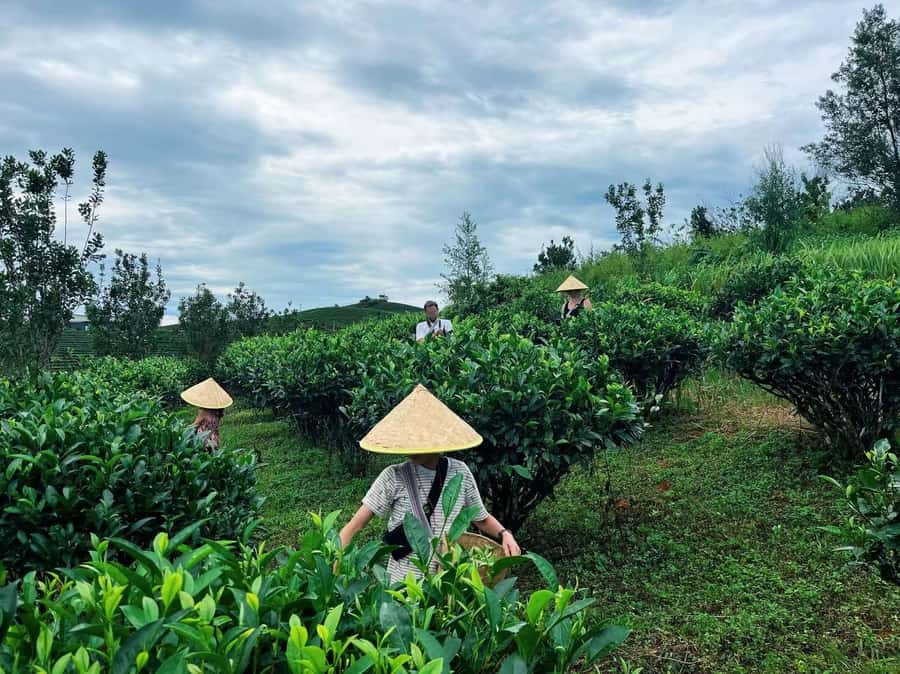
Pu’er tea has a reputation for being complicated, but this kind of visit makes it simple. You start with the plant itself, then watch the early processing steps, and only then taste tea that came from those leaves. That order matters because you’re not just sipping—you’re matching what you smell to what you saw happen.
I like that the day is built around doing. You’re not stuck watching from the edge. Instead, you’ll pick leaves with local guidance, then taste Pu’er made through the farm’s process, so you leave with a mental map for how this tea becomes tea.
The trip is also good value for people who actually buy tea. You’re getting a real take-home amount (300 grams), and you’re learning enough to understand what you liked and why—useful if you plan to brew it later.
One small caution: you’ll walk on uneven ground in the tea fields, and the day is still a morning half-day. If you’re sensitive to walking or want a slow, long sit-down experience, consider that up front.
Getting There Smoothly From Jinghong or Pu’er
The pickup and drop-off setup is straightforward. You’ll meet the group at your starting point in Jinghong or Pu’er, then head out to the plantation area in a VW ID4 (used for up to 3 guests) or a comfortable 6-seat minivan (for groups larger than 3). That matters because small vehicles usually mean a calmer start and less waiting.
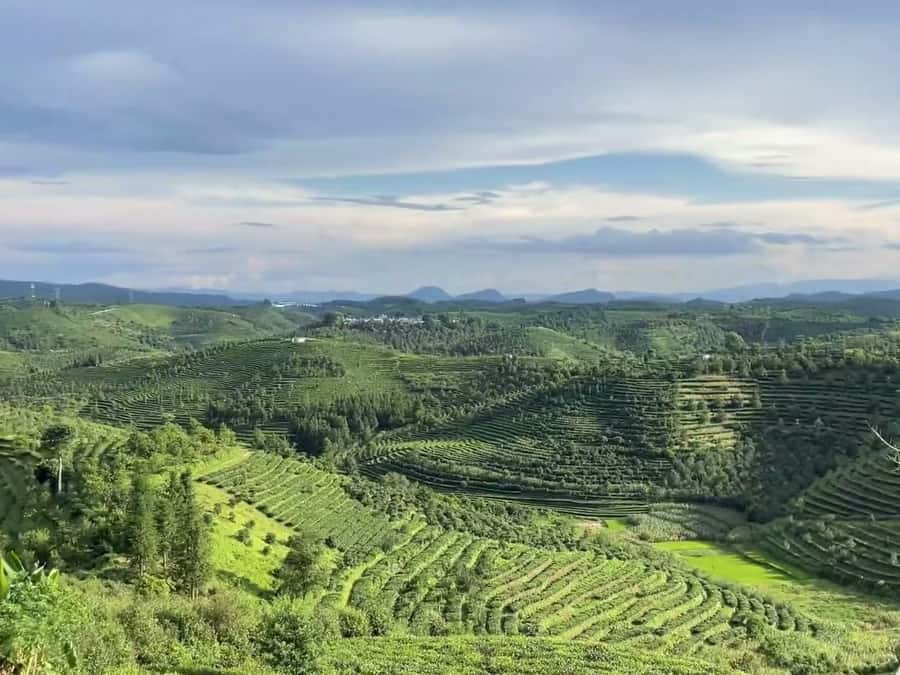
The drive through Yunnan’s green scenery sets the mood. It’s not just transport—it’s a gentle transition into tea-country, and it helps you settle into the day before you start walking.
Timing is a big deal on half-day trips. With a 5–7 hour duration, you should treat this as a morning event with a clear finish. If your schedule is tight later, plan buffer time when you book.
The Plantation Walk: Where Pu’er Tea Culture Makes Sense
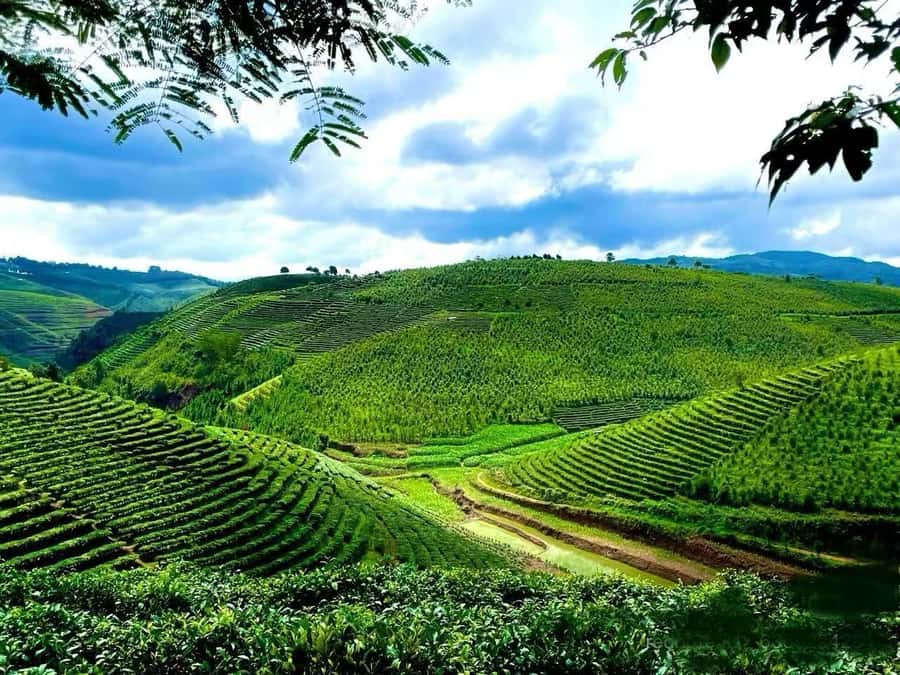
Once you arrive, the day starts with a guided tour of a Pu’er tea plantation and its surrounding area. This isn’t presented as generic scenery time. The focus is on the history and significance of Pu’er tea and what makes the growing environment important for flavor.
What you’ll enjoy most here is the explanation style. Guides are there to connect what you’re seeing—leaf shape, planting habits, harvest timing—with what you’ll later taste. When the guide answers questions in a grounded way, the tea stops feeling mysterious and starts feeling understandable.
One review story that matches the spirit of the tour: guides like Maxime often bring extra cultural context, including Dai culture, and they’re willing to translate and clarify as you go. That kind of back-and-forth is what turns a walk into learning.
Hands-On Tea Picking: The Part You’ll Remember
Tea picking is the real heart of the experience. You’ll be shown how to pick properly, then you’ll try it yourself with local experts guiding you. This is where you learn that tea picking isn’t just plucking leaves at random—it’s about selecting the right leaves with care.
You’ll likely notice a rhythm as you go: step into the rows, choose leaves based on what you’ve been taught, pick gently, and move on. That repetition is oddly satisfying. It turns the tea field into something you can participate in, not just look at.
Practical note: wear comfortable shoes. Tea rows can be sloped, and paths may be uneven. If you can stand and walk for a while, you’ll be happier and you’ll enjoy the picking more.
Also, pets aren’t allowed. If you’re traveling with an animal, you’ll need a different plan.
From Fresh Leaves to Pu’er: Seeing Processing Up Close
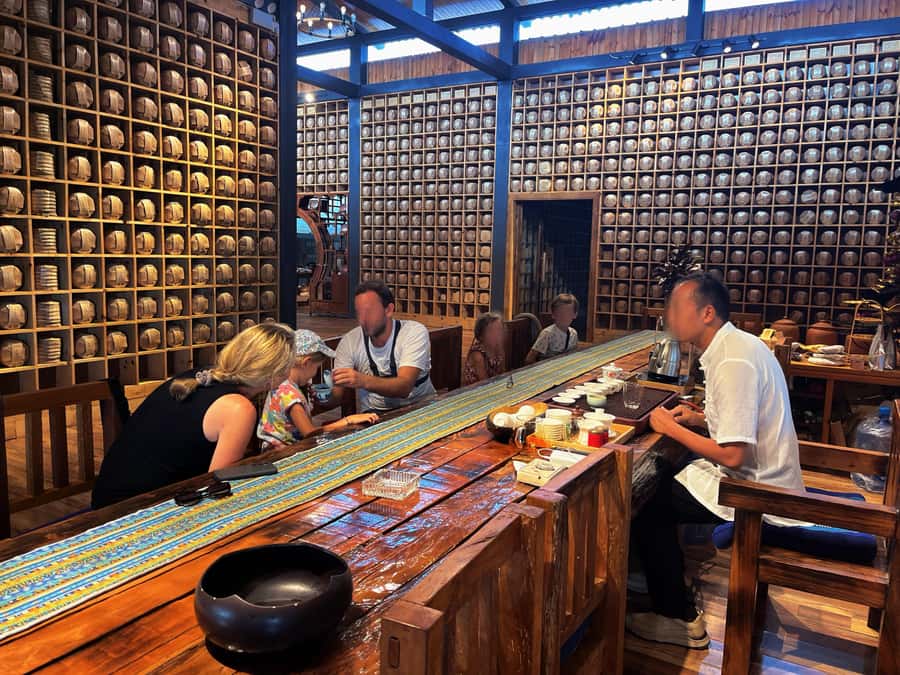
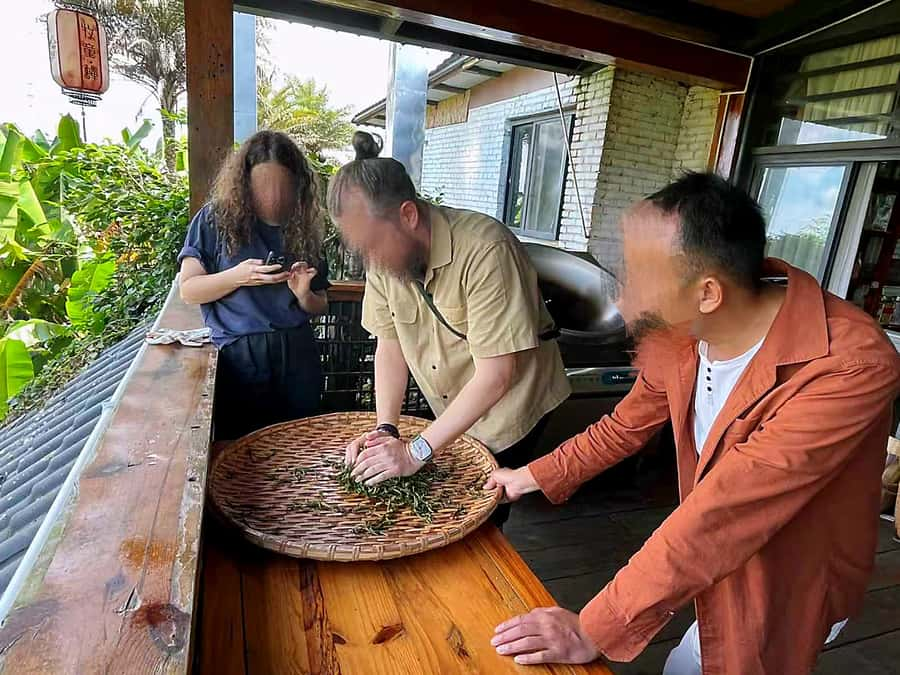
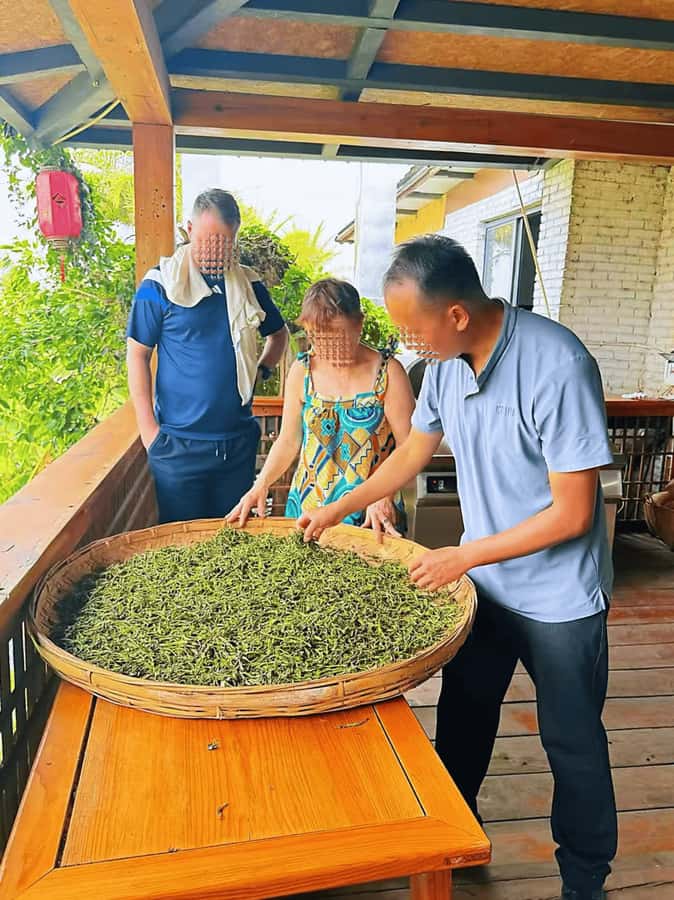
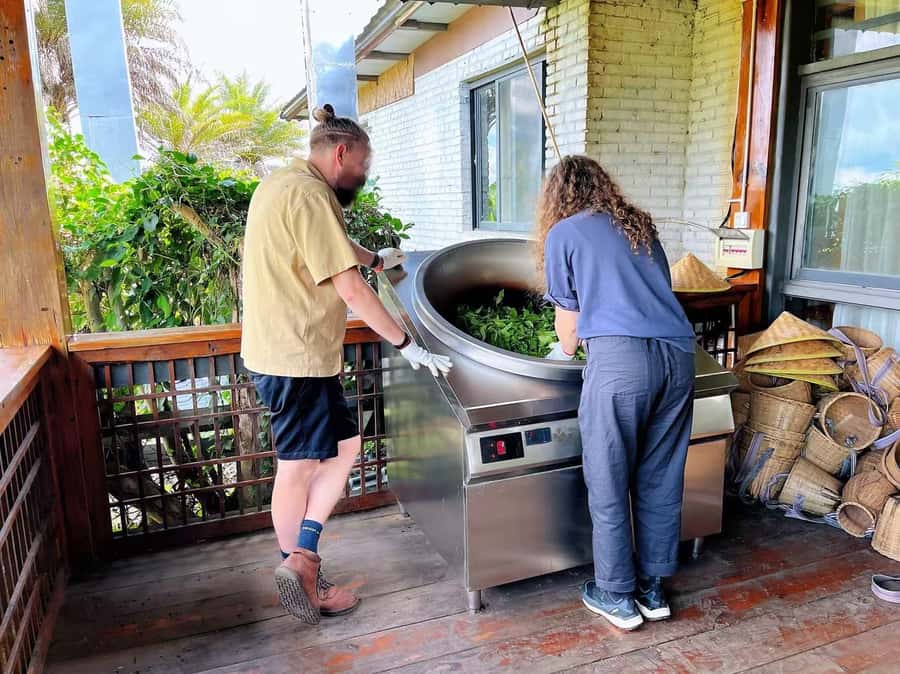
After picking comes the processing side, which is where the day earns its keep. You visit a farm linked to tea production and learn the transformation steps—from withering to rolling and drying. Even if you’re not a tea nerd, watching the sequence makes it easier to understand why teas taste different.
This part is valuable because it answers the question most people have but never get a good explanation for: what actually happens between harvest and your cup. When you see the handling steps, your tasting becomes smarter.
You may also get hands-on chances during processing. The descriptions emphasize learning the steps and even trying parts of the process, which helps you understand how texture and aroma can change as leaves go through each stage.
The Tasting Session: What to Focus On While You Sip
The tasting is built around freshly processed Pu’er tea, and that timing matters. Freshly processed tea will show different characteristics than tea aged for years, so it’s a good starting point for understanding Pu’er in general.
Expect a structured tasting where you sample multiple teas and learn about varieties and brewing methods that make Pu’er unique. You’ll be able to compare flavors, and ideally your brain will connect those flavors to the earlier steps you watched.
A small but useful mindset: don’t rush your first sip. Take a moment to notice aroma first, then taste, then how the flavor changes on a second pull or re-brew. If your guide does multiple pours or comparisons, let them teach you how to notice the differences rather than just collecting cups.
One tip from the vibe of the best outings: bring your curiosity. If you’re even slightly interested in tea, ask questions about what to expect in aroma, body, and aftertaste. Guides are clearly ready for that kind of dialogue, especially in small groups.
Lunch at the Farm (and a Possible Coffee Bonus)
Lunch is part of the plan. The trip description includes lunch at the farm, and the more detailed day notes also mention an optional local meal at 60 yuan/person if you want it. Since those two lines can sound contradictory, check what your booking confirmation says about lunch.
Either way, eating on-site is the right move. You’re already in tea-country, and a farm meal is often where you taste regional flavors without the tourist detour. The goal is simple: fuel up before the drive back.
Some departures add a stop connected to coffee—one set of experiences includes tastings at a coffee estate and a meal tied to local Dai food. That may not happen every time, but it fits the same theme of learning how Yunnan grown crops become drinks.
If coffee also interests you, ask your guide on the morning of the trip whether a coffee stop is included in your specific schedule.
Price and Value: Why $82 Can Be Fair Here
At about $82 per person for a half-day, the price makes sense because several big items are wrapped together:
- Pickup and return by VW ID4 or minivan
- Plantation visit with guidance
- Hands-on picking
- Tea tasting at a local processing farm
- A take-home souvenir: 300 grams of Pu’er tea picked and processed by you
The take-home tea is the key value piece. Many tea tours offer tasting only. Here, you’re leaving with a meaningful quantity that matches the work you did. That turns the trip from a learning experience into something tangible you can brew later.
If you like tea but struggle with knowing what to buy, this tour can act like a tasting course. You’ll learn enough to recognize what you prefer, which often makes purchases less random.
One extra detail worth knowing: one guest reported a discount on tea purchases at the end (they mentioned 20% off). Don’t assume every booking gets the same deal, but it’s a reasonable expectation to ask about, especially since you’ll already know what you tasted.
What to Bring and Who Should Skip It
Bring comfortable shoes—seriously. If you’re walking through rows and small paths, footwear is your biggest comfort lever.
The tour isn’t suitable for babies under 1 year and isn’t designed for people over 70. That doesn’t mean it’s impossible for older travelers, but the setup is clearly not built around slow mobility or pushing strollers.
Pets aren’t allowed. If you need to travel with a companion animal, you’ll need an alternate outing plan.
Also, expect a tea-heavy day. If you only want scenic photos and minimal talking, a guided tea plantation experience may feel like too much structure.
Who This Trip Fits Best (and Who Will Feel Shorted)
This is a great fit if:
- You want real tea process learning, not just shopping
- You enjoy hands-on activities outdoors
- You like guides who answer detailed questions (in multiple languages)
- You plan to buy or brew Pu’er after you get back
You may want to skip or look for something else if:
- You want a full-day hiking-style trip with long breaks
- You prefer tasting without walking or picking
- You’re very short on time and can’t risk a 5–7 hour block
The small group size (limited to 6 people) is a quiet selling point. It keeps the visit personal, and it supports the picking and tasting format.
Should You Book This Pu’er Tea Picking and Tasting Trip?
Yes, if you want a morning that teaches you how Pu’er becomes tea—while letting you take part in the harvest and leaving with 300 grams of tea you made yourself. The mix of plantation guidance, processing steps, and tasting is a practical learning path, and the small group size helps you get answers instead of just listening.
I’d book especially if you’re:
- A tea lover trying to understand Pu’er beyond labels
- A first-timer who wants a clear starting point
- Someone who likes to bring home something more meaningful than a postcard
Skip it if your priority is scenery only, or if you know you won’t enjoy walking and picking. In that case, you may prefer a lighter visit focused on views and short stops.
If you do book, go in with a curious attitude. Ask about varieties, brewing methods, and what changes through processing. The experience is built for that kind of engagement.
FAQ
Where is the pickup for this trip?
Pickup is included from Jinghong or Pu’er.
How long does the Pu’er tea picking and tasting experience take?
The duration is 5 to 7 hours.
How big is the group?
This is a small group limited to 6 participants.
What languages are available for the live guide?
The live tour guide is available in English, French, German, and Italian.
What activities are included during the tour?
You’ll visit a Pu’er tea plantation, pick tea hands-on, and have a Pu’er tea tasting session at a local processing farm.
Can I take tea home from the trip?
Yes. The tour includes 300 grams of Pu’er tea picked up and processed by the visitors.
Is lunch included, or is it extra?
Lunch is listed as included, and the detailed description also mentions an optional farm lunch for 60 yuan/person. Check what your confirmation says.
What should I bring?
Wear comfortable shoes.
Are pets allowed?
No, pets are not allowed.
What is the cancellation policy?
You can cancel up to 24 hours in advance for a full refund.