REVIEW · TAIPEI CITY
From Taipei: Thousand Island Lake and Pinglin Tea Plantation
Book on GetYourGuide →Operated by Edison Tours · Bookable on GetYourGuide
Five hours, and Taipei feels far away. This tour trades city noise for Thousand Island Lake views and Taiwan’s Pinglin tea countryside, plus a proper tea lesson to end the day right. You’ll also ride a twisty mountain road that makes the scenery feel like a movie set.
I especially like the pacing: quick hits on the lake and tea garden, then the longer stop where you can actually look closely at the tea fields. I also love the tea focus—expect real talk from guides like Dave and Sharon, with tastings that go beyond pass-the-cup tourism.
One thing to plan around: this isn’t set up for wheelchair users or people with physical mobility issues, and the day includes walking on uneven terrain.
In This Review
- Key things I’d circle on your plan
- Getting Out of Taipei: Shiding’s Quiet Start and the Mountain Road
- Thousand Island Lake: The 20-Minute View That Does the Job
- 八卦茶園 (Bagua Tea Garden): Tea Rows That Match a Symbol
- Pinglin Tea Plantation: Wenshan Pouchong and Dong Fang Mei Ren Up Close
- Pinglin Tea Museum: A Courtyard Full of Tools and Taiwan’s Tea Development
- Tea Shop Stop and Brewing Lesson: Tastings That Make You Pay Attention
- Pinglin Old Street and Tea Ceremony Finish
- Price and Value: What You’re Really Paying For at About $40
- The Best Fit: Tea Lovers, Photo Fans, and People Who Like Short Stops
- When to Reconsider: Mobility Limits and Terrain
- Should You Book This Thousand Island Lake and Pinglin Tea Tour?
- FAQ
- Where do I meet the guide?
- How long is the tour?
- Is hotel pickup included?
- What tea experiences are included?
- What should I bring?
- Is the tour wheelchair accessible?
Key things I’d circle on your plan
- Thousand Island Lake scenic stop for classic catchment-hills views in about 20 minutes
- Bagua Tea Garden where tea rows are laid out like the eight trigrams
- Pinglin Tea Plantation time long enough to slow down, take photos, and learn what you’re looking at
- Pinglin Tea Museum in a Siheyuan courtyard with old tools and the tea industry story
- Tea tasting plus brewing guidance so you know what makes a cup taste the way it does
Getting Out of Taipei: Shiding’s Quiet Start and the Mountain Road
The best part of this trip is how fast it changes your mood. You start in Taipei and then head into Shiding, a rural district of New Taipei City, where the air feels different and the pace gets slower. Along the way, you’ll be riding a mountain road with plenty of curves. If you’re prone to motion sickness, this kind of route can be a real factor—one reason I like these small-group setups is that guides and drivers often take turns slowly and keep the ride comfortable.
You’re not just traveling to a view. You’re traveling to the reason people come here: tea-growing land shaped by hills and water catchment. The tour sets that up early, so when you finally look out over the area, it makes sense instead of feeling random.
Also, you have a real time window. The entire experience is about 5 hours, so it’s a smart choice when you want a break from Taipei but still want time back in the city afterward.
You can also read our reviews of more tours and experiences in Taipei City.


Thousand Island Lake: The 20-Minute View That Does the Job
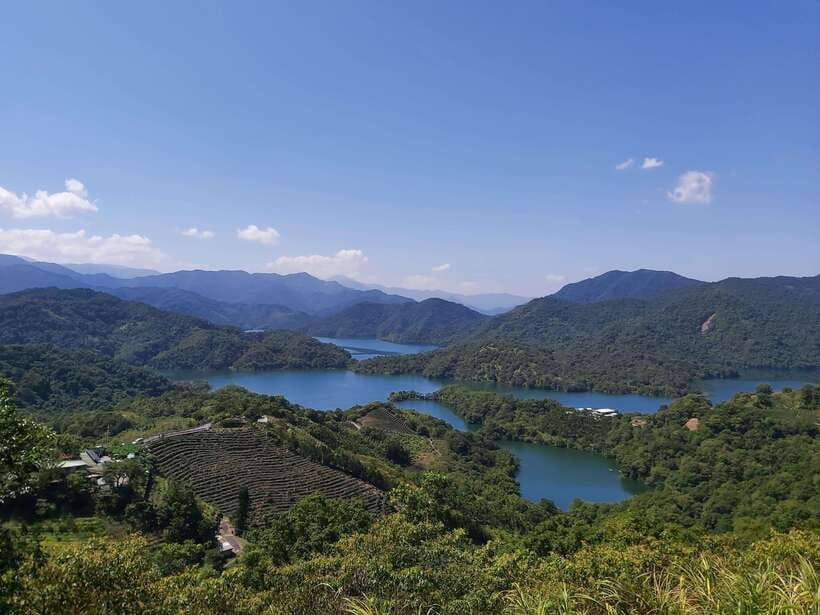
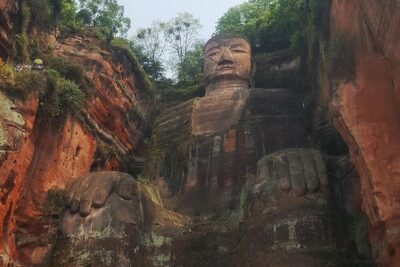
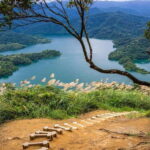
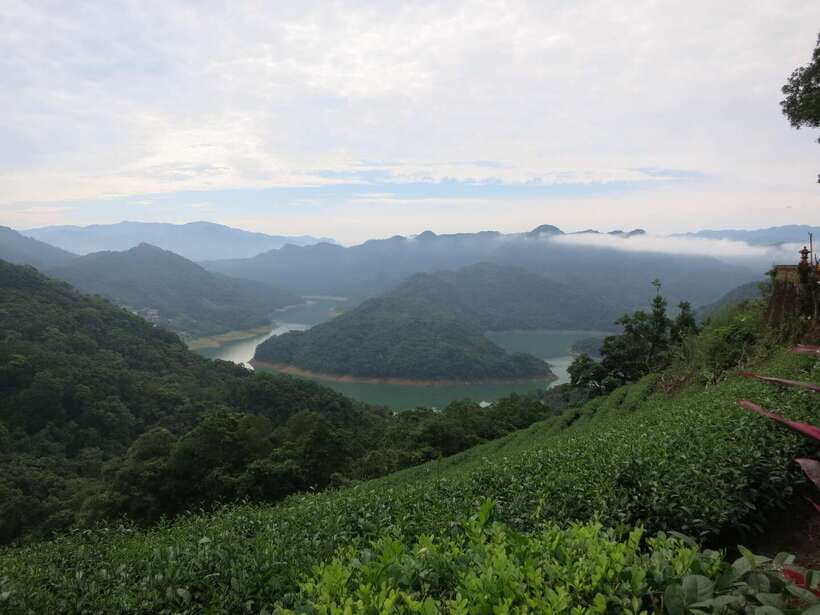
The first major stop is Thousand Island Lake, also known as Qiandao Lake in Chinese. The name sounds poetic for a reason: the reservoir is surrounded by hills, and the catchment area creates a look similar to the famous Mainland attraction that shares the name. You’ll have around 20 minutes here, which is perfect for getting photos, stretching your legs, and taking in the overall shape of the water with the surrounding tea-friendly hills.
What I like about the timing is that it respects reality. This isn’t a multi-hour nature hike where the day can fall apart if the weather changes. Instead, you get the key moment—high scenery and big-water views—then move on while the day still feels easy.
If it’s raining, it can be harder to enjoy the views the way you want, but the stop still works because it’s short and focused. Pack a light layer just in case; a cloudy day doesn’t erase the experience, it just changes the mood.
八卦茶園 (Bagua Tea Garden): Tea Rows That Match a Symbol
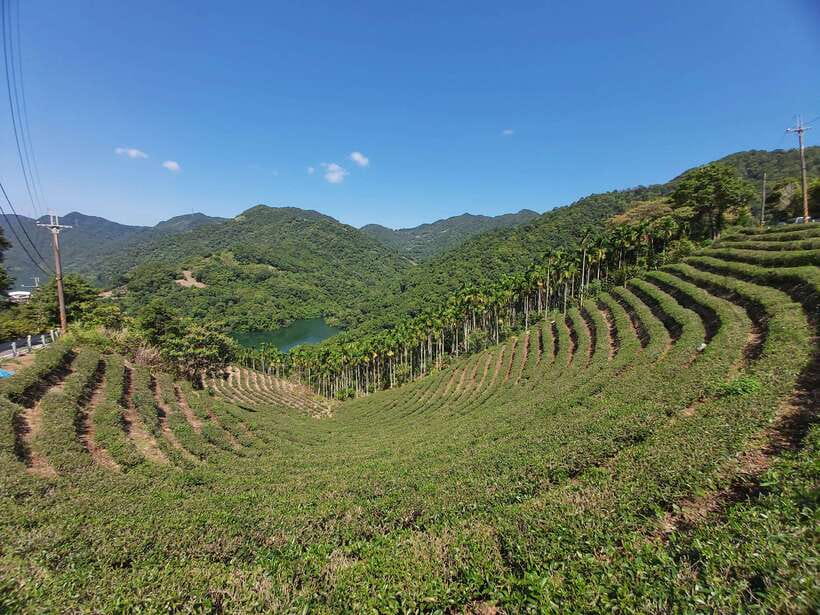
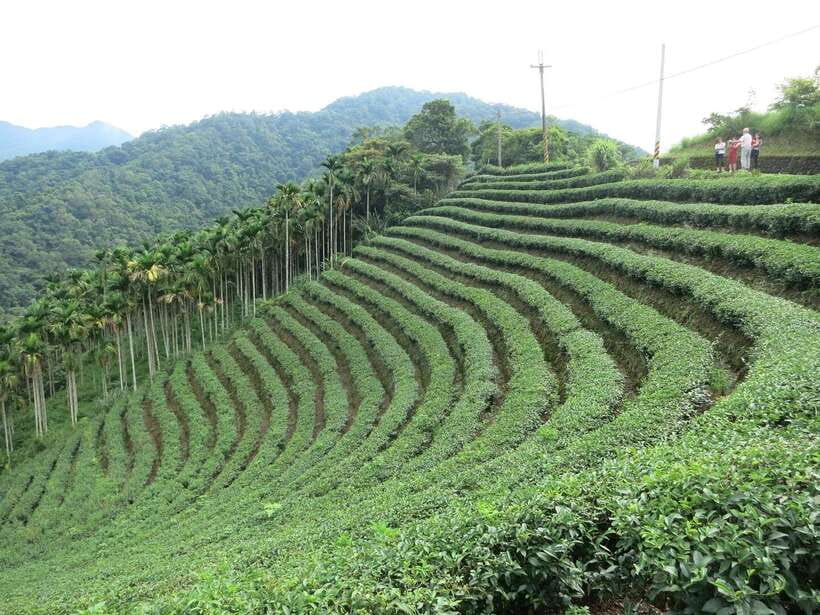
From the lake, you head to the Bagua Tea Garden, spending about 25 minutes exploring the area. This is the kind of stop that looks simple from a distance—then you realize it’s designed. From a hilltop viewpoint, the tea is planted in neat rows that form the symbols of the eight trigrams.
This is one of those places where you can learn something quickly and keep your eyes busy. Instead of only photographing, you start noticing how the land and planting patterns connect to cultural meaning. If you like details, this is a great second stop because it turns a view into a mini lesson.
The main practical note: plan for some walking on hillside paths. Wear shoes you don’t mind getting a little dusty or slick if the ground is damp.
Pinglin Tea Plantation: Wenshan Pouchong and Dong Fang Mei Ren Up Close
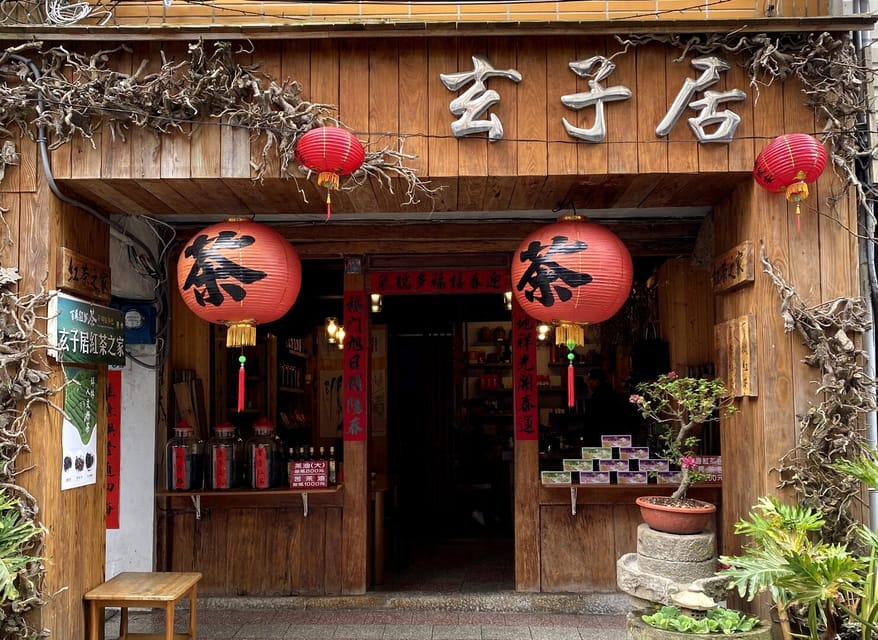
Your longest countryside time is at the Pinglin Tea Plantation, around 70 minutes. This is where tea lovers get rewarded, because it’s the point of the whole day. The region is known for varieties like Wenshan Pouchong and Dong Fang Mei Ren (literally described as Oriental Beauty Oolong Tea). Even if you don’t know tea terms yet, the tour gives you a framework: what these teas are associated with, why Pinglin’s conditions help tea farming, and what to look for while you’re standing in the fields.
Why that matters: tea tasting without context can feel random. Here, the context comes first, so when you’re later given samples, you understand what you’re actually sampling.
Also, take your time here with photos. Many people come out of this stop with images that look like they belong in a tea ad. But more importantly, you’ll come away seeing the scale—how the hills, the growing area, and the cultivation layout shape what tea leaves become.
Pinglin Tea Museum: A Courtyard Full of Tools and Taiwan’s Tea Development
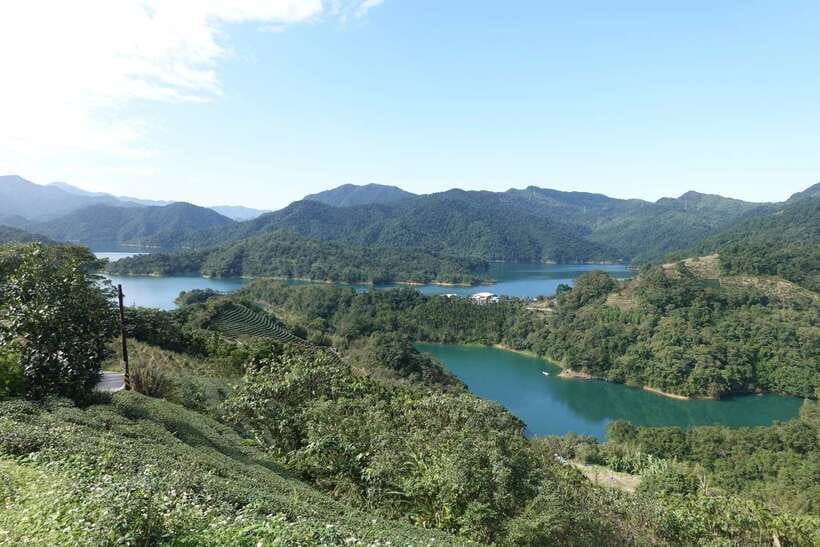
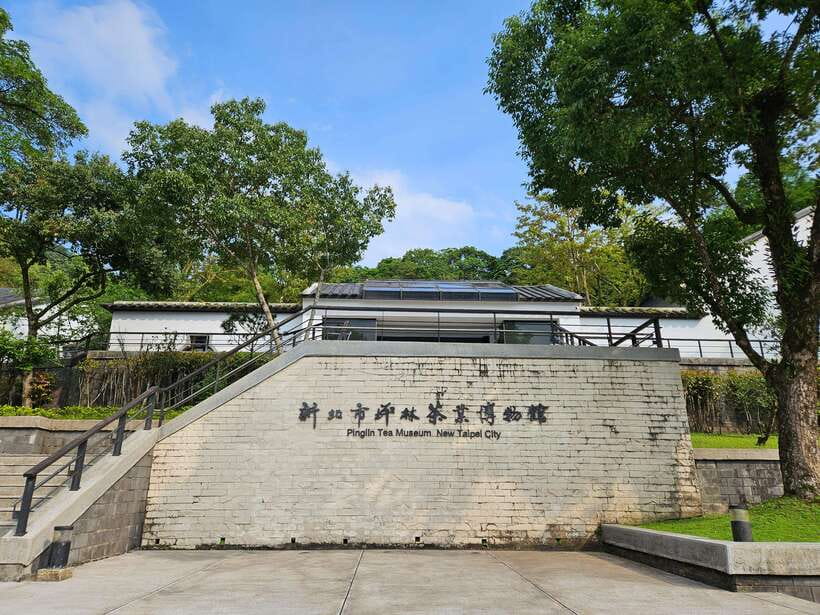
Next is the Pinglin Tea Museum, set in a Hokkien-style Siheyuan quadrangle courtyard house. This isn’t just a quick stop with a signboard. You’ll see tools and harvesting equipment from earlier days, then learn about the history and development of Taiwan’s tea industry.
A quick fair warning: if you expect a large, high-tech museum with endless rooms, this may not feel like that. But if you’re the type who enjoys simple explanations, old tools, and a human scale to the story, this works well. The best part is how it bridges the gap between the fields you saw outside and the cups you’ll drink later.
You’ll also get background that helps you decode why Pinglin is such a big name in tea culture. It’s not just one plantation. It’s an industry with techniques, seasonal timing, and local knowledge.
Tea Shop Stop and Brewing Lesson: Tastings That Make You Pay Attention
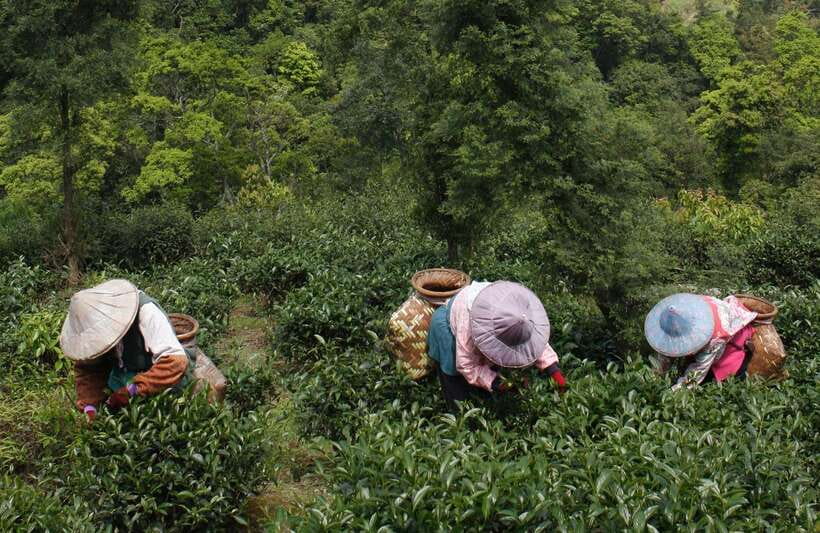
After the museum, you’ll visit a local tea shop. This is where the tour shifts from watching tea grow to understanding how tea becomes tea in your cup.
Your guide and a tea instructor will introduce Taiwanese tea and explain how to brew properly. You’ll also have a chance to taste tea samples during the visit. That tasting portion is one of the most praised parts of the entire experience—people consistently call it the highlight, which makes sense because it’s where you move from ideas to taste.
Practical tip: approach the tasting like a tasting. Don’t just drink. Notice the aroma, the flavor changes, and how the tea feels as it goes warm in your mouth. If you end up buying tea later, this is when you’ll have the reference points to pick something that matches your preferences.
One more reason this works: guides often bring stories into the process. In recent groups, names like Gordon and Chiara come up for their ability to connect tea customs with what you’re actually doing in the moment.
Pinglin Old Street and Tea Ceremony Finish
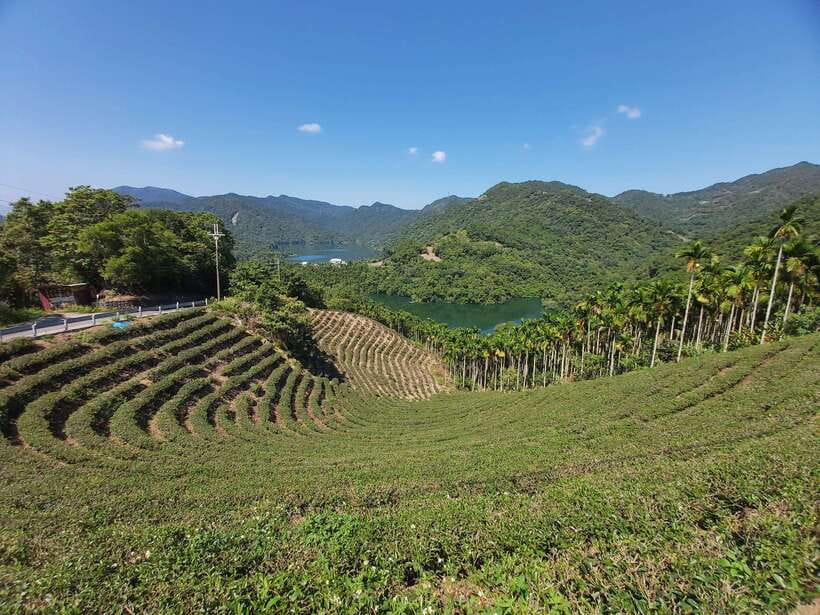
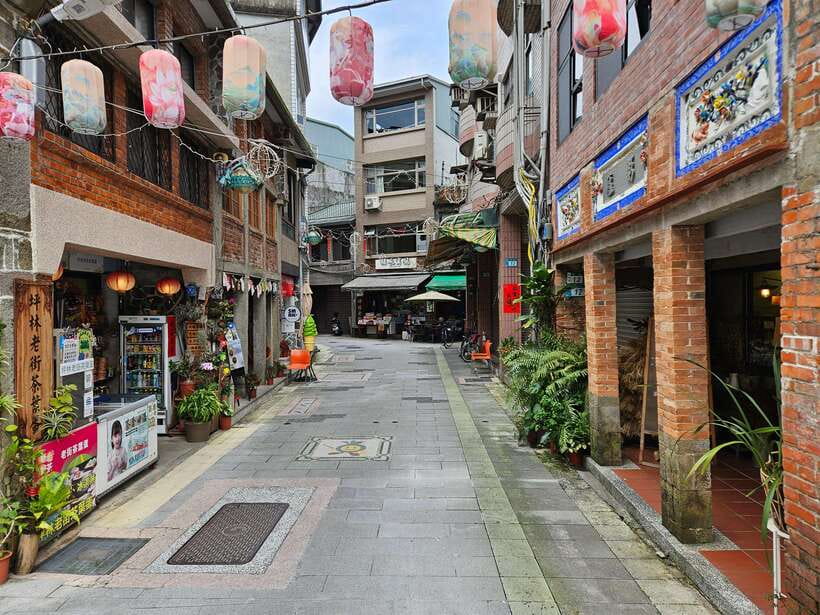
To close the day, you’ll head to Pinglin Old Street for about 30 minutes. This is a good landing spot. You’ve already learned about the plants and the industry, so walking a traditional old-street setting feels like a natural cultural wrap-up instead of a random souvenir stop.
The tour also includes a tea ceremony here. Even if you’ve done tea before, the value is in the explanation and structure—learning the why behind steps rather than just watching the motions.
If you’re curious, use this final stretch to ask one last question about what you liked in the tasting. Your guide will be fresh, your group won’t be rushed, and you can connect the ceremony to the flavors you tried earlier.
Price and Value: What You’re Really Paying For at About $40
At about $40 per person for a 5-hour outing, this is a strong value if you want more than a scenic drive. You’re paying for:
- Air-conditioned transportation out of Taipei and back
- A tour guide plus live commentary in multiple languages
- Tea tasting and instruction, not just a quick look
- Local general liabilities insurance
- A simple, efficient route that hits the main tea highlights without wasting your day
Food and drinks are not included, so you should budget for water and snacks on your own. Bottled water isn’t part of the package, either. That’s one reason bringing cash matters. You may want to buy tea or pay for small street snacks during the old-street stop.
Also, this isn’t just for couples or big groups. The tour notes guaranteed departure with at least 1 participant, which is a real perk if your schedule doesn’t line up easily.
The Best Fit: Tea Lovers, Photo Fans, and People Who Like Short Stops
This tour is a great match if you:
- Love tea and want it explained in plain language
- Want a countryside break without losing half a day to complicated logistics
- Prefer a schedule with clear stop times (not a long hike day)
- Care about getting the story behind what you’re tasting
It’s also a good first taste of tea culture for people who only know tea from supermarket bags. By the time you finish, you’ll likely rethink how you brew and what you’re actually tasting.
When to Reconsider: Mobility Limits and Terrain
This is the one caution I don’t sugarcoat. The tour is not accessible to wheelchair users and isn’t suitable for people with mobility impairments. Walking time is limited, but the terrain is still countryside terrain—hills, paths, and uneven ground. If stairs or rough surfaces are a problem for you, you should look for a more accessible alternative.
Weather matters too, in a simple way. You’re outdoors for views and plantations. Bring a light rain layer if you’re going in a wet season.
Should You Book This Thousand Island Lake and Pinglin Tea Tour?
Yes, if you want a half-day that’s actually worth your attention. The combination of Thousand Island Lake views plus Pinglin tea instruction and tasting gives you both scenery and substance. I’d book it for tea lovers and for anyone who wants a countryside story that you can taste, not just photograph.
Skip it only if mobility is a concern for you, or if you’re looking for a full-day hiking-style nature experience. For most people, this is a smart, well-paced Taiwan afternoon: calm views up top, tea culture in the middle, and a ceremony to bring the flavors home.
FAQ
Where do I meet the guide?
Meet your guide at MRT Zhongxiao Xinsheng Station (BL14 / O07), Exit 2. Your guide will be waiting near the exit holding an EDISON TOURS logo flag.
How long is the tour?
The duration is 5 hours.
Is hotel pickup included?
Hotel pickup and drop-off are included if you choose the private option. Otherwise, you’ll meet at the MRT station listed above.
What tea experiences are included?
You’ll visit the Pinglin Tea Museum, have a tea tasting with samples, and end with a tea ceremony at Pinglin Old Street.
What should I bring?
Bring comfortable shoes and cash.
Is the tour wheelchair accessible?
No. The tour is not accessible to wheelchair users and is not suitable for people with mobility impairments.